
Summary
The United States government has decided to extend a special rule that allows some Russian oil to continue moving through global markets. This decision was made to help prevent fuel shortages caused by the ongoing war involving Iran. The move is a major shift in policy because top officials had recently promised to end these exceptions. By allowing these shipments, the U.S. hopes to keep energy prices stable while the Middle East faces heavy conflict.
Main Impact
The biggest impact of this decision is that it gives the global energy market a temporary safety net. With the war in Iran making it difficult to move oil through traditional routes, the world needs other sources of fuel to prevent a massive price spike. However, this choice also has a downside. It allows Russia to continue earning money from its oil exports. This is a change from previous U.S. goals, which aimed to cut off Russia's income to stop its military actions in Ukraine.
Key Details
What Happened
On Friday, the U.S. Treasury Department issued what is known as a general license. This document acts as a legal permission slip. It tells shipping companies and banks that they will not face punishments or sanctions for handling Russian oil shipments for the next 30 days. This specific waiver applies to oil that was already loaded onto tankers as of Friday. Without this waiver, many companies would refuse to move the oil because they would fear getting into legal trouble with the U.S. government.
Important Numbers and Facts
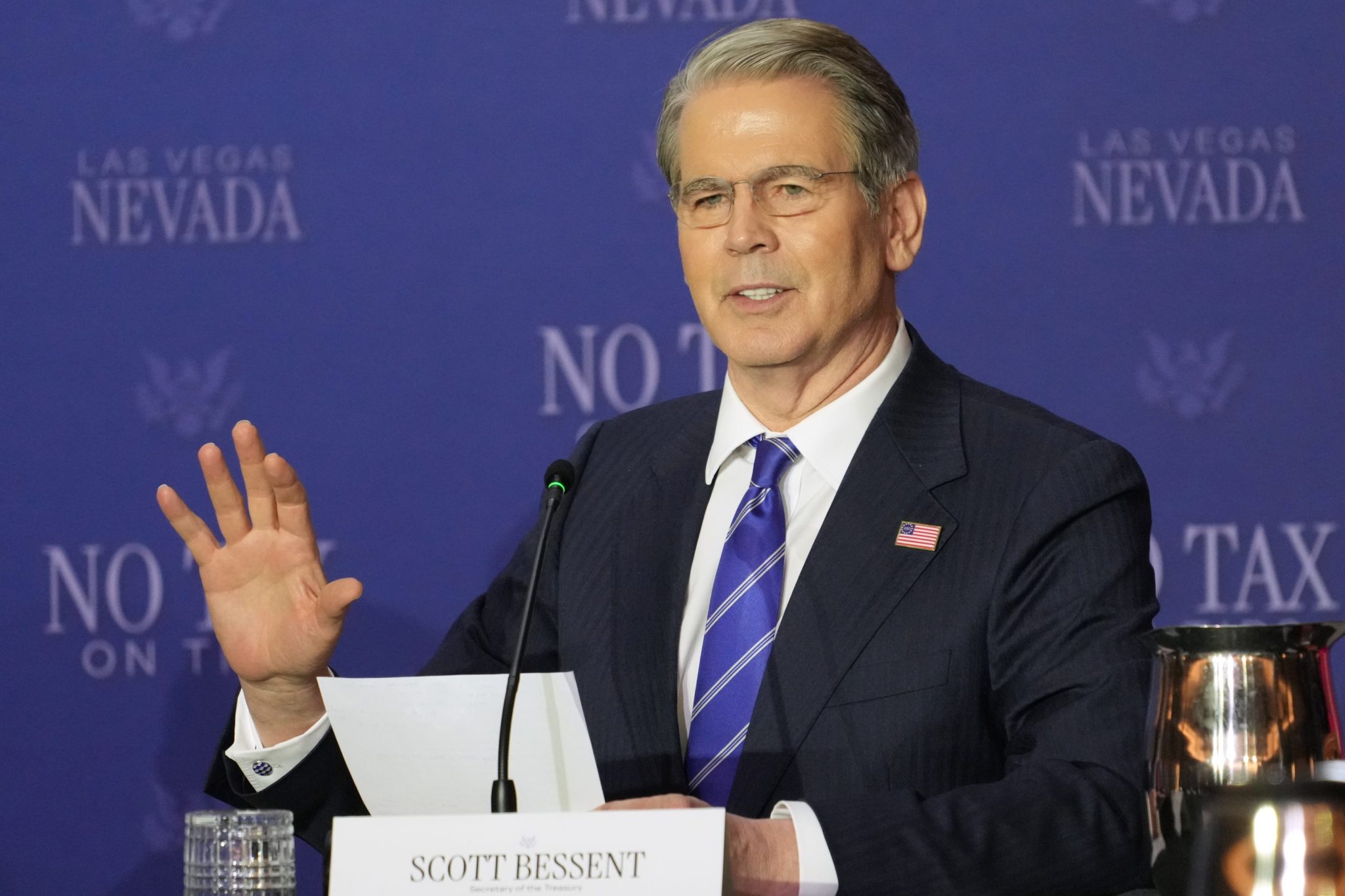
This is the second time the government has used a 30-day extension to keep oil flowing. A similar rule was put in place in March for oil loaded by March 11. The new extension adds another month to that timeline. This decision came only two days after Treasury Secretary Scott Bessent told the public that no more extensions would be granted. On Wednesday, he specifically stated that the government would not renew licenses for Russian or Iranian oil. The sudden change in direction happened without a detailed explanation from the White House.
Background and Context
To understand why this matters, it is important to look at how oil moves around the world. Much of the world's oil travels through the Middle East. When a war happens in that region, especially involving Iran, it can block major shipping paths like the Strait of Hormuz. If those paths are blocked, the amount of oil available to the world drops quickly. When supply goes down, the price of gas and electricity goes up for everyone.
At the same time, the U.S. has been trying to limit Russia’s power since the invasion of Ukraine. One of the main ways to do this is by stopping Russia from selling its oil. For a long time, the U.S. and its allies put strict rules on Russian energy. But now, the war in Iran has created a new problem. The U.S. government is forced to choose between two difficult options: they can stay strict on Russia and risk a global energy shortage, or they can let Russian oil flow to keep prices down. For now, they have chosen to prioritize the energy supply.
Public or Industry Reaction
The reaction from the energy industry has been a mix of relief and confusion. Many oil traders were worried that prices would jump if the Russian oil was suddenly cut off. The extension provides some breathing room for markets that are already stressed by the fighting in the Middle East. However, political experts are surprised by the reversal. Since Secretary Bessent had just ruled out the extension, the sudden change makes the administration's strategy look uncertain. Some critics argue that this move shows that the U.S. is struggling to manage two different international crises at the same time.
What This Means Going Forward
In the coming weeks, the U.S. will have to decide if it will keep extending these 30-day waivers or finally let them expire. If the war in Iran continues to get worse, the pressure to keep Russian oil on the market will grow. This could lead to a long-term situation where sanctions on Russia are weakened indefinitely. On the other hand, if the U.S. eventually stops the waivers, consumers might see a sharp increase in fuel costs. The government is currently walking a thin line between its foreign policy goals and the need to keep the economy running smoothly.
Final Take
The decision to extend the oil waiver shows that energy security is currently the top priority for the U.S. government. While the administration wants to remain tough on Russia, the immediate threat of a global fuel shortage caused by the Iran war has forced them to change their plans. This move highlights how connected global events are, where a conflict in one part of the world can completely change how the U.S. handles a conflict in another.
Frequently Asked Questions
Why did the U.S. change its mind about the oil sanctions?
The U.S. changed its mind because the war in Iran is causing a shortage of oil. To keep prices from rising too high, the government decided to allow Russian oil shipments to continue for another 30 days.
What is a general license in this context?
A general license is a document from the Treasury Department that allows certain business activities to happen that would normally be banned by sanctions. In this case, it allows ships to carry Russian oil without being punished.
How does this help Russia?
This helps Russia because it allows them to keep selling their oil to international buyers. This brings money into the Russian economy, which the U.S. had previously tried to prevent because of the war in Ukraine.



