
Summary
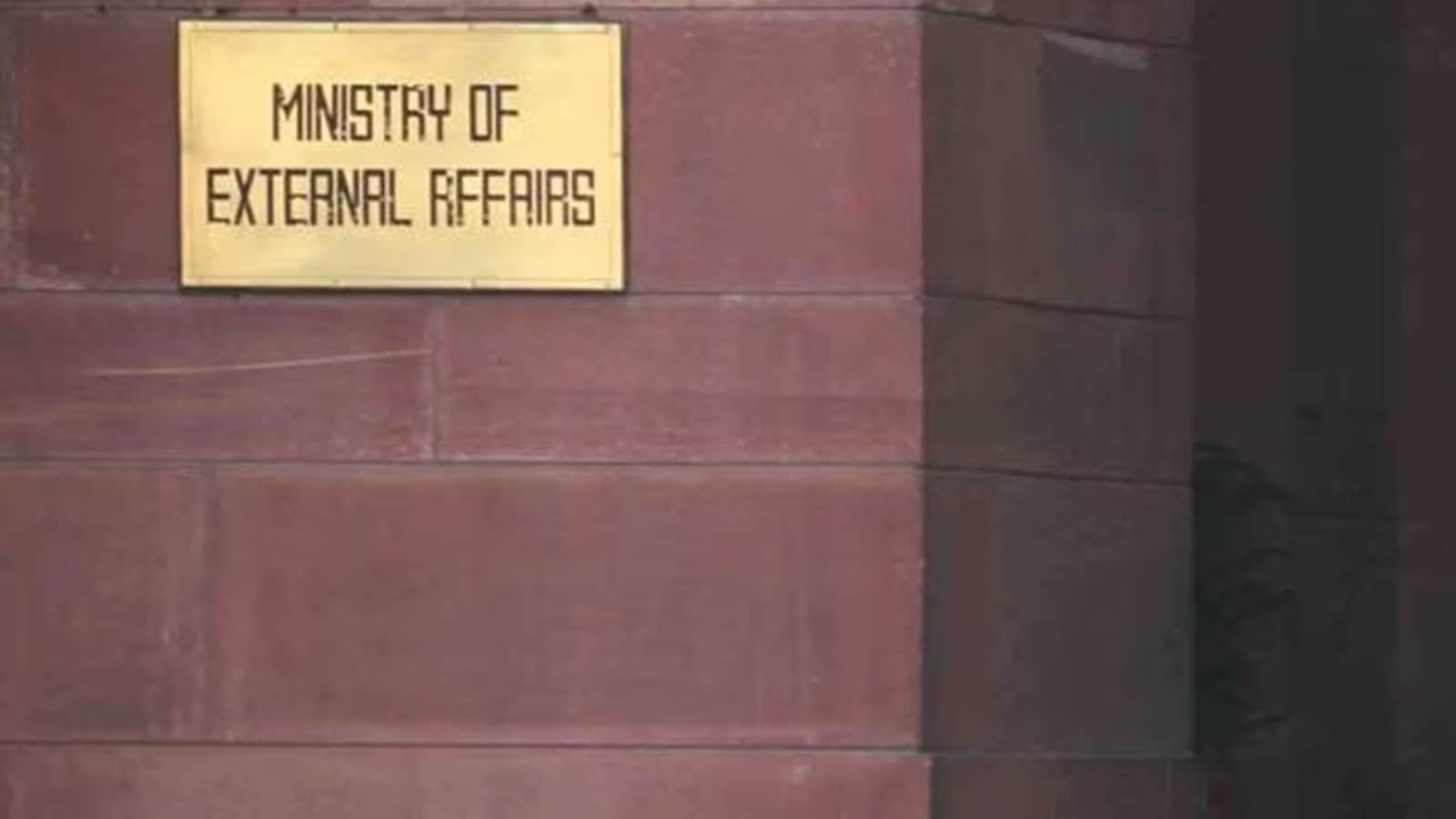
A vehicle belonging to the Russian Consulate in Kolkata was recently stopped twice by local police for security checks. These incidents caused a diplomatic disagreement, leading the Russian officials to raise the issue with the Indian government. The Ministry of External Affairs (MEA) had to step in to remind local authorities about the special rules that protect foreign diplomats. This situation highlights the need for better communication between local police and international representatives living in India.
Main Impact
The main impact of this event is the tension it creates between local law enforcement and international diplomatic missions. When a diplomatic car is stopped, it is not just a traffic matter; it becomes a matter of international law. The intervention by the MEA shows how seriously the central government takes these protocols. If local police do not follow these rules, it can lead to formal complaints from foreign countries, which might affect how India is seen on the global stage. It also forces the government to spend time fixing avoidable mistakes made during routine police work.
Key Details
What Happened
In two separate instances, police officers in Kolkata flagged down a car used by the Russian Consulate. During these stops, the officers reportedly asked to check the vehicle or the identification of those inside. Under standard diplomatic rules, vehicles with diplomatic license plates are usually exempt from routine stops and searches. The Russian Consulate felt that these actions were a violation of their rights and quickly reported the matter to the central government in New Delhi. They expressed concern that their staff was being treated like ordinary citizens instead of protected foreign officials.
Important Numbers and Facts
The incidents took place over a short period, with the car being stopped twice in the same city. In India, diplomatic vehicles are easily identified by their light blue license plates, which feature white lettering and the "CD" code, standing for Corps Diplomatique. The Ministry of External Affairs sent a formal communication to the West Bengal state government to address the issue. This communication reminded the state that foreign missions must be allowed to move freely without unnecessary interference from local law enforcement. No arrests were made, and no fines were issued, but the repeated nature of the stops was the primary cause for the official complaint.
Background and Context
To understand why this is a big deal, we have to look at the Vienna Convention on Diplomatic Relations. This is an international agreement that almost every country in the world follows. It says that diplomats and their property, including their cars, should be treated with respect and given certain protections. These rules exist so that diplomats can do their jobs without being harassed or delayed by the local government of the country where they are working. In India, the Ministry of External Affairs is responsible for making sure these international rules are followed across all states. However, local police officers on the street may not always be fully trained on these specific diplomatic privileges, which can lead to misunderstandings during routine traffic operations or security drives.
Public or Industry Reaction
The Russian Consulate expressed clear dissatisfaction with the way their vehicle was handled. They viewed the stops as a lack of respect for their diplomatic status. On the other hand, some local observers noted that the police might have been conducting general security checks across the city and did not mean to target any specific country. However, experts in international relations say that "ignorance of the law" is not an excuse when it comes to diplomacy. The West Bengal government has been asked to ensure that its police force is better educated about the different types of license plates and the rights that come with them. There has been no public statement from the Kolkata police regarding why these specific stops happened, but the involvement of the MEA usually leads to a quiet resolution and an apology.
What This Means Going Forward
Moving forward, this incident will likely lead to new training sessions for the Kolkata police. The goal will be to make sure every officer knows how to identify a diplomatic vehicle and understands that they should not stop them unless there is an extreme emergency. The MEA will likely keep a closer eye on how foreign consulates are treated in various Indian states to prevent similar issues. For Russia and India, this is a small bump in a long-standing relationship, but it serves as a reminder that local actions can have international consequences. If these mistakes continue, it could lead to "reciprocal" actions, where Indian diplomats in other countries might face similar delays or checks as a form of protest.
Final Take
While a traffic stop might seem like a small event, it carries a lot of weight in the world of international politics. The quick response from the Ministry of External Affairs shows that India is committed to protecting the rights of foreign officials. For local authorities, the lesson is clear: following international protocol is just as important as maintaining local security. Clearer guidelines and better training for officers on the ground are the only ways to make sure that a routine police check does not turn into a diplomatic problem.
Frequently Asked Questions
Why are diplomatic cars treated differently?
Diplomatic cars are protected under international law to ensure that foreign officials can perform their duties without interference or pressure from the local government.
How can you identify a diplomatic car in India?
In India, these vehicles have blue license plates with white text. They also feature the letters "CD," which stands for Corps Diplomatique, or "CC" for Consular Corps.
What happens if a diplomatic car breaks the law?
If a diplomat commits a serious offense, the local government usually contacts the Ministry of External Affairs. The MEA then talks to the foreign embassy to resolve the issue through official diplomatic channels rather than standard police procedures.



