
Summary
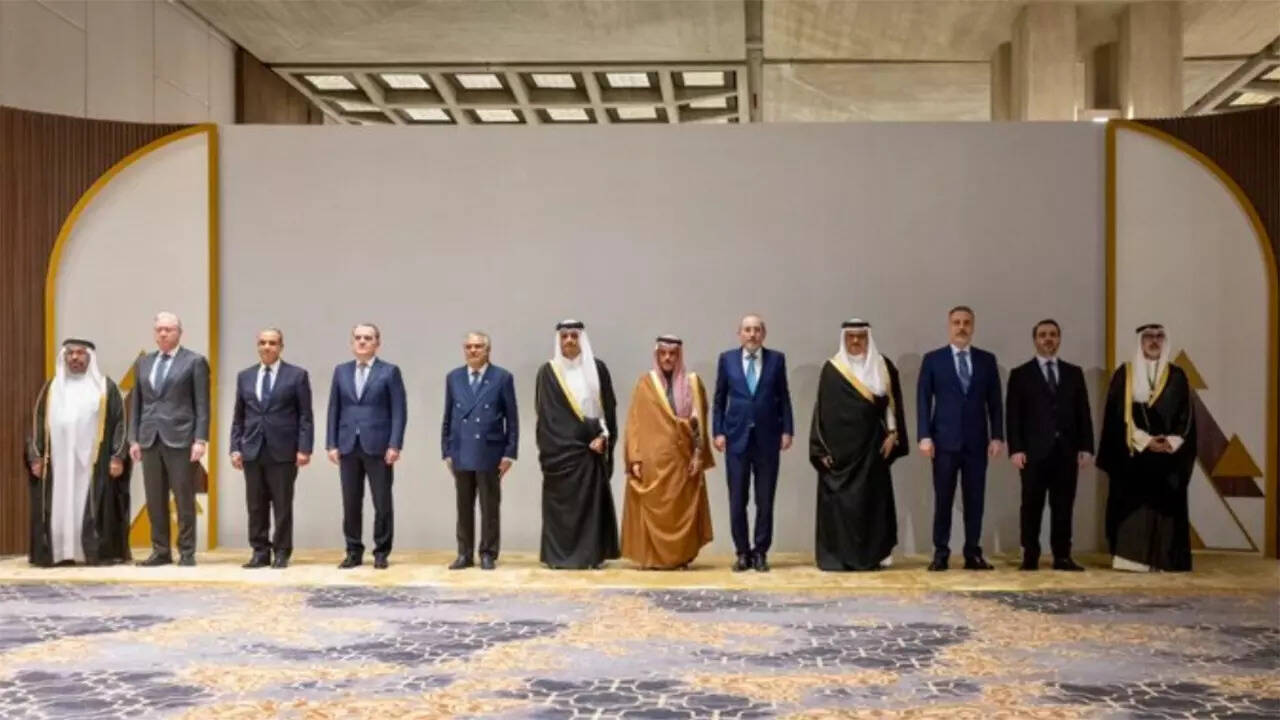
Leaders and ministers from Arab and Muslim nations recently gathered in Riyadh to address the growing military tension between Iran, the United States, and Israel. The group issued a unified statement calling for an immediate end to the violence to prevent a much larger regional conflict. Their main goal is to protect the safety of their citizens and ensure that vital energy resources remain secure. This meeting marks a significant moment where many different countries have come together to demand peace and stability in the Middle East.
Main Impact
The primary impact of this meeting is the clear message of unity sent to the rest of the world. By speaking with one voice, these nations are putting pressure on global powers to stop the cycle of attacks. The ministers made it clear that they do not want their countries to become a battlefield for outside forces. This collective stance is designed to protect the regional economy and stop the fighting before it spreads to neighboring lands. It shows that diplomacy is still the preferred path for leaders in the region, even as military actions increase elsewhere.
Key Details
What Happened
The meeting took place in Riyadh, the capital of Saudi Arabia, bringing together top officials from across the Islamic world. The discussion focused on the recent exchange of strikes between Iran and Israel, as well as the involvement of the United States. The ministers expressed deep concern that these events could lead to a "total war," which would be a disaster for everyone involved. They spent time discussing how to keep their borders safe and how to prevent their air space from being used by foreign military jets.
Important Numbers and Facts
While the meeting did not set a specific deadline, the urgency was clear. The ministers represented over 50 nations that are part of the Arab League and the Organization of Islamic Cooperation. A major focus was the protection of energy infrastructure. The Middle East provides a huge portion of the world's oil and gas. If these facilities are damaged, energy prices could double or triple globally. The group emphasized "sovereignty," which is a word that means a country has the right to control its own land and make its own decisions without outside interference.
Background and Context
This topic is very important because the Middle East has faced years of instability. Recently, the "shadow war" between Iran and Israel has become more public and direct. In the past, these countries mostly fought through other groups or secret missions. Now, they are using missiles and drones against each other. The United States has also moved more ships and planes into the area to support Israel. This situation makes neighboring countries very nervous. They fear that a single mistake could lead to a war that destroys cities and ruins the progress they have made in building their economies.
Public or Industry Reaction
The reaction to the Riyadh meeting has been mostly positive from those who want peace. Many political experts believe this is a smart move by regional leaders to show they are not taking sides in a way that leads to more fighting. Instead, they are taking the side of stability. However, some critics worry that words alone might not be enough to stop the missiles. Within the energy industry, there is a sense of relief that these nations are prioritizing the safety of oil fields and shipping routes. Global markets often react poorly to news of war, so this call for calm helps keep the global economy more steady.
What This Means Going Forward
Moving forward, the focus will be on whether the US, Israel, and Iran listen to this collective call for peace. The Arab and Muslim ministers will likely continue to use diplomatic channels to talk to all sides. There is a risk that if the fighting continues, these nations might have to take stronger political or economic steps. For now, the next step is to see if "de-escalation" happens. De-escalation simply means making a situation less dangerous by reducing military actions. If the fighting slows down, it will be a sign that the Riyadh meeting was successful in its mission.
Final Take
The meeting in Riyadh shows that the region is tired of constant conflict. By focusing on sovereignty and the protection of resources, these leaders are trying to build a wall of diplomacy against the threat of war. While the situation remains very dangerous, having a unified group of nations calling for peace is a powerful tool. It reminds the world that the people living in the Middle East have the most to lose and are working hard to ensure a safer future for everyone.
Frequently Asked Questions
Why was the meeting held in Riyadh?
Riyadh is the capital of Saudi Arabia, a country that holds a lot of influence in both the Arab and Muslim worlds. It is a central place for leaders to meet and discuss regional security.
What does "de-escalation" mean in this context?
It means taking steps to reduce the intensity of the conflict. This includes stopping missile strikes, pulling back troops, and using talk instead of weapons to solve problems.
Why is energy infrastructure so important in this conflict?
The Middle East produces much of the world's oil and gas. If these facilities are attacked, it would cause energy shortages and high prices for people all over the world, not just in the Middle East.

