
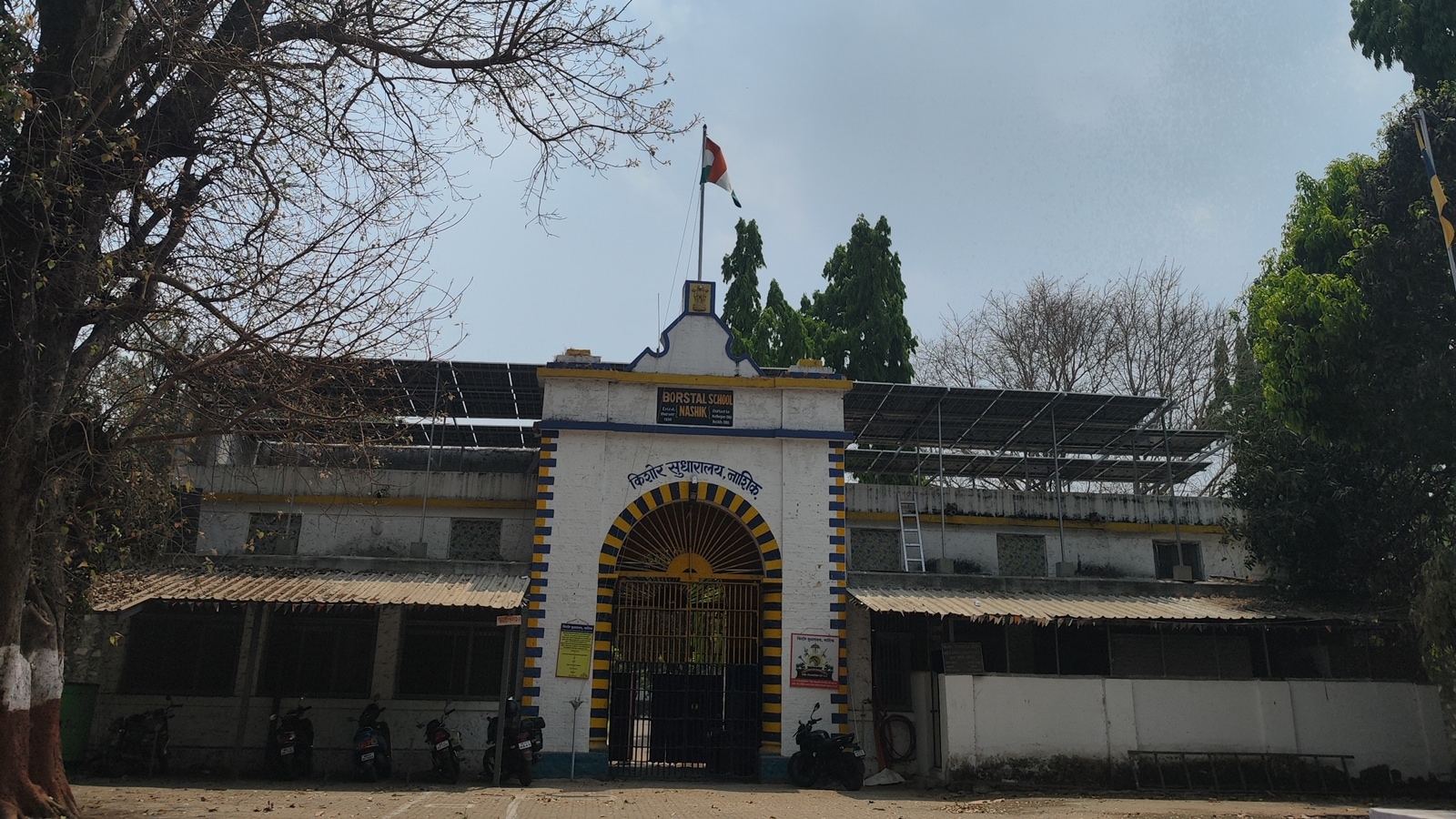
Summary
The Maharashtra government has officially scrapped a century-old law that governed "second chance" schools for young people. The Reformatory Schools Act of 1897 was a British-era rule used to manage institutions like the David Sassoon Industrial School in Mumbai. This move is part of a larger effort to remove outdated colonial laws and replace them with modern rules that focus on child rights and protection. By repealing this law, the state is moving toward a more modern way of helping children who have had trouble with the law.
Main Impact
The primary impact of this decision is the total shift in how the state views and treats young offenders. For over 120 years, the Reformatory Schools Act provided a specific legal path for boys under the age of 15. Now, all such institutions will fall strictly under the Juvenile Justice (Care and Protection of Children) Act of 2015. This change ensures that children are treated with a focus on rehabilitation and care rather than just discipline and labor. It also simplifies the legal system by removing a law that many experts felt was no longer needed in a modern society.
Key Details
What Happened
The Maharashtra state cabinet decided to repeal the Reformatory Schools Act of 1897. This law was originally designed by the British to keep young boys out of adult prisons. Instead of being locked up with older criminals, boys were sent to "reformatory schools" where they were taught basic skills and trades. The most famous of these is the David Sassoon Industrial School in Matunga, which actually started even before the law was written. With the law now gone, these schools will be fully integrated into the modern national system for child welfare.
Important Numbers and Facts
The David Sassoon Industrial School was established in 1850, making it one of the oldest institutions of its kind in India. The Reformatory Schools Act was passed in 1897 and stayed on the books for 127 years. Under the old rules, the school was meant to house boys who were convicted of crimes but were under 15 years old. The new system under the 2015 national law covers all children up to the age of 18 and provides a much wider range of services, including mental health support and better educational opportunities.
Background and Context
In the 1800s, the British government realized that putting children in the same jails as adults was a bad idea. They believed that young people could be "reformed" if they were given a second chance. This led to the creation of industrial schools. These schools were not just about punishment; they were about teaching kids how to work in factories or do manual jobs like carpentry and tailoring. The David Sassoon school was a pioneer in this movement, funded by a wealthy businessman who wanted to help the city's poor and wayward youth.
However, as time passed, the 1897 law became a relic. It used old language and focused on "correcting" behavior through hard work. Modern child psychology and international human rights standards have changed how we think about children in trouble. Today, the focus is on understanding why a child committed a crime and helping them reintegrate into society as healthy individuals.
Public or Industry Reaction
Social workers and child rights activists have generally welcomed the move. Many have argued for years that having multiple laws for the same purpose creates confusion. They believe that the Juvenile Justice Act of 2015 is much more comprehensive and better suited for the needs of children today. However, some historians and long-time staff at these schools feel a sense of loss. They worry that the unique history and the specific "industrial" focus of these schools might fade away as they become part of a larger, more general government system.
What This Means Going Forward
Going forward, the David Sassoon Industrial School and similar institutions will need to update their programs. They will no longer be seen as "reformatories" in the old sense. Instead, they will function as observation homes or special homes under the national framework. This means they will likely receive different types of funding and will be subject to stricter inspections regarding child safety and education. The state government will also need to ensure that the staff at these schools are trained in modern counseling and social work techniques to meet the requirements of the new legal standards.
Final Take
Scrapping a law that lasted through the British Raj and over 75 years of independence is a major step. It shows that Maharashtra is ready to leave behind old colonial ideas of punishment. While the history of these "second chance" schools is important, the well-being of children today is more important. By moving to a single, modern law, the state is making it easier to protect and guide young people who need help the most. The focus is now clearly on a future where every child has the support they need to grow and succeed, regardless of their past mistakes.
Frequently Asked Questions
What was the Reformatory Schools Act of 1897?
It was a law created during British rule to send young boys who committed crimes to special schools instead of adult prisons. These schools taught them trades and manual skills.
Why was the law scrapped now?
The law was scrapped because it was outdated. A newer national law, the Juvenile Justice Act of 2015, already covers everything the old law did but in a more modern and helpful way.
Will the David Sassoon Industrial School close down?
No, the school will not close. It will continue to operate, but it will now follow the rules and standards set by the modern Juvenile Justice Act instead of the old 1897 law.



