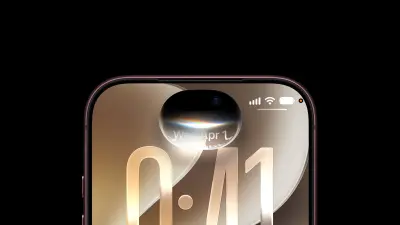
Scroll through any feed today and you can no longer fully trust your eyes. A photo of a public figure, a disaster site, or a viral celebrity moment — it might be real, or it might be generated by AI in seconds. That is exactly the chaos Apple is reportedly trying to fix inside iOS 27.
What Is 'Reference Image' in iOS 27?
According to the original story, Apple may introduce a photo authentication tool called “Reference Image” in a future version of its iPhone software. The core idea: give every photo a verifiable origin, so viewers can check whether an image is authentic or synthetic.
The name suggests the system would use a reference image — likely a trusted original — to compare against or to anchor a chain of authenticity.
Why Photo Authentication Feels Urgent Right Now
Generative AI tools can now create photorealistic images in seconds, making it nearly impossible for casual viewers to tell real from fake. This has serious consequences for journalism, legal evidence, elections, and everyday social trust.
A built-in authentication layer in iOS 27 would give iPhone users a simple way to ask: was this photo genuinely captured, or was it manufactured?
What's Confirmed vs. What's Still Speculation
Let’s be clear: Apple has not announced anything. There is no official confirmation, no beta code, and no developer documentation cited for this report.
What we have is a reported concept — that Apple is working on provenance verification for photos under the name “Reference Image.” Everything beyond that, including how it works and when it arrives, is unconfirmed speculation.
How Reference Image Could Work in Practice
If the concept becomes real, it would likely rely on cryptographic signatures or secure metadata attached at capture time. A photo taken on an iPhone could carry a digital stamp proving when and where it was taken, and whether any edits were made.
That kind of system would not stop AI from generating images, but it would give genuine photos a verifiable chain of trust — marking them as “digital evidence” in a sea of synthetic content.
What iPhone Users Should Watch For
If you’re an iPhone user, watch for Apple’s next major software announcements, usually made at its Worldwide Developers Conference. Any official mention of “photo provenance,” “content credentials,” or “Reference Image” would confirm this direction.
Until then, treat reports of a photo authentication tool as a promising signal — not a guaranteed feature. It is wise to remain skeptical of images that carry no verification, even on iOS 27.
Big Tech's Growing Fight Against AI Deception
Apple is not alone. Industry groups and companies like Adobe, Microsoft, and Google have been exploring content credentials and watermarking standards. Apple’s move would be significant because of the sheer scale of the iPhone ecosystem.
If millions of photos carry verifiable provenance, it raises the bar for what can be presented as evidence — and makes it easier to flag what cannot be verified.
Our Take
This is the kind of feature that could quietly become essential. The smartphone camera is already the world’s most important document recorder. Adding a trust layer to that recorder is not just nice-to-have — it may soon become a basic expectation.
Still, the devil will be in the details. Provenance tools fail if they are optional, easily stripped, or ignored by other platforms. For “Reference Image” to matter, Apple would need to make authentication both default and difficult to bypass, while keeping privacy intact.
Frequently Asked Questions
What is Apple's Reference Image tool in iOS 27?
It’s a reportedly planned feature that would help prove whether a photo is authentic, likely by using provenance data to verify its origin and capture history.
How would iOS 27 photo authentication work?
Details are unclear, but the concept involves attaching secure metadata or cryptographic signatures to images so viewers can verify the source and detect tampering.
Why is Apple building photo authentication now?
Because generative AI has made it easy to create realistic fake images, which undermines trust in visual evidence. Apple would be responding to that credibility crisis.
When will Apple release the photo authentication tool?
Apple has not confirmed the feature. If it materializes, it would arrive with iOS 27, a future update that Apple has not yet publicly detailed or scheduled.