
Summary
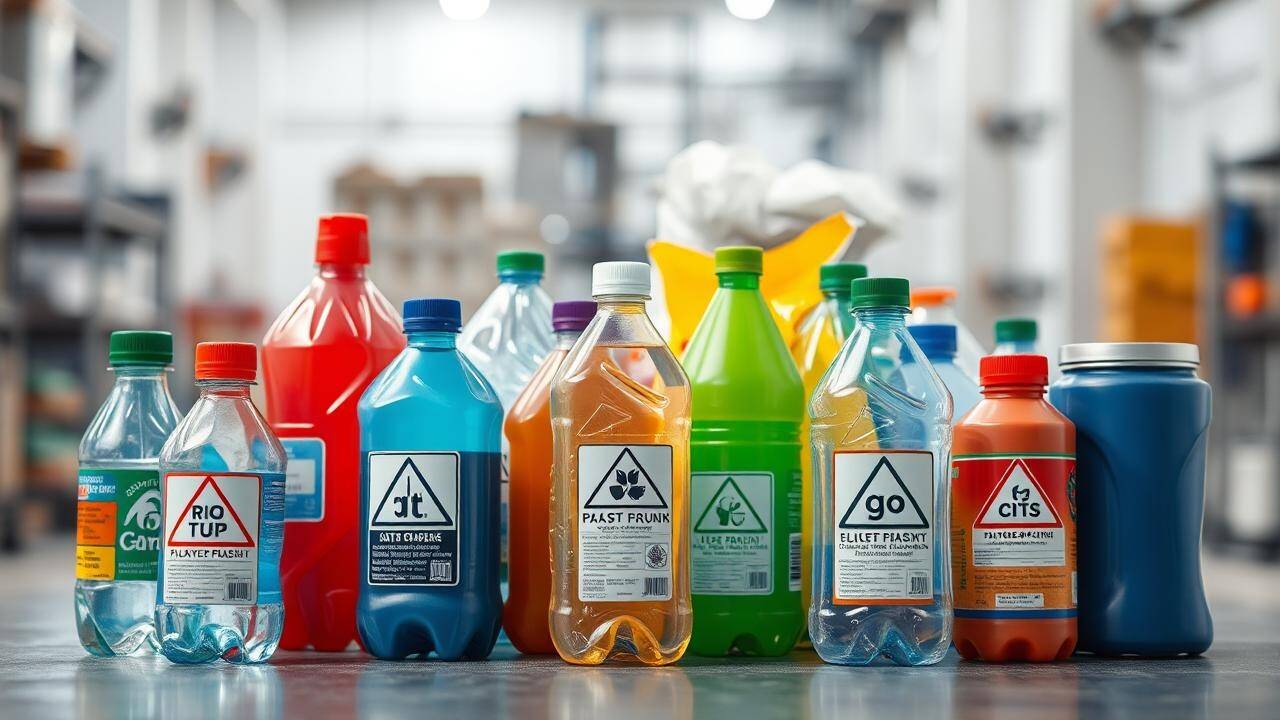
The Indian government has introduced new rules that make it mandatory for companies to use recycled plastic in their packaging. This decision is part of a larger plan to reduce plastic waste and move toward a circular economy, where materials are reused rather than thrown away. By setting these requirements, the government aims to lower the amount of new plastic produced and encourage better waste management across the country. These rules will affect a wide range of industries, from food and drinks to household goods and electronics.
Main Impact
The most significant impact of this rule is the immediate pressure it puts on manufacturers to change their production methods. For a long time, companies preferred using "virgin" or new plastic because it was cheaper and easier to source. Now, they must find ways to include recycled materials in their bottles, containers, and wrappers. This shift is expected to create a massive demand for high-quality recycled plastic, which will likely lead to more investment in recycling plants and technology. It also helps reduce the carbon footprint of the packaging industry, as making products from recycled plastic uses less energy than making them from oil.
Key Details
What Happened
The Ministry of Environment, Forest and Climate Change updated the Plastic Waste Management Rules to include specific targets for recycled content. Under these new guidelines, producers, importers, and brand owners are now legally required to ensure that a certain percentage of their plastic packaging comes from recycled sources. This is part of the Extended Producer Responsibility (EPR) framework, which holds companies accountable for the entire life cycle of the products they sell, including what happens to the packaging after the consumer uses it.
Important Numbers and Facts
The new rules set a clear timeline for companies to follow. Starting in the 2024-2025 period, many types of plastic packaging must contain at least 30% recycled content. This percentage is set to increase every few years. By the year 2028, some categories of packaging may be required to have as much as 60% recycled material. The rules apply to different types of plastic, including rigid packaging like bottles, flexible packaging like snack bags, and even the large plastic sheets used in industrial shipping. Companies that fail to meet these targets may face heavy fines or other legal penalties.
Background and Context
Plastic pollution has become one of the biggest environmental challenges in India. Every day, thousands of tons of plastic waste are generated, and a large portion of it ends up in landfills, rivers, and the ocean. Traditional waste systems often struggle to keep up with the sheer volume of trash. In the past, recycling was mostly done by the informal sector, such as waste pickers, and the quality of recycled plastic was often not high enough for big brands to use. By making recycled content mandatory, the government is forcing the industry to professionalize and improve the quality of recycled materials. This move aligns India with global environmental standards and helps protect the country's natural resources.
Public or Industry Reaction
The reaction to these new rules has been mixed but generally positive. Environmental groups have praised the move, calling it a necessary step to stop the flood of plastic waste. They believe that putting a price and a requirement on recycled plastic will make waste more valuable, which means less of it will be thrown away. On the other hand, some business groups have expressed concerns about the cost and availability of high-quality recycled plastic. They argue that there are currently not enough advanced recycling facilities in India to meet the sudden high demand. However, many large international brands that already have global sustainability goals have welcomed the clarity that these rules provide.
What This Means Going Forward
In the coming years, we will likely see a major transformation in how products are packaged. Consumers might notice that plastic bottles or containers look slightly different, as recycled plastic can sometimes have a different tint or texture. More importantly, this rule will drive innovation. Companies will need to design packaging that is easier to recycle so they can meet their own targets in the future. There will also be a push for "bottle-to-bottle" recycling, where an old soda bottle is turned directly into a new one. This creates a closed loop that significantly reduces the need for raw materials. The success of this policy will depend on how strictly the government monitors companies and how well the recycling infrastructure grows to meet the new demand.
Final Take
Making recycled plastic mandatory is a bold move that shifts the responsibility of waste from the consumer to the producer. It marks a change in how India views trash, treating it as a resource rather than a problem. While the transition may be difficult for some businesses in the short term, the long-term benefits for the environment and the economy are clear. If implemented correctly, these rules could make India a leader in the global effort to create a world without plastic pollution.
Frequently Asked Questions
Which companies have to follow these new plastic rules?
The rules apply to all producers, importers, and brand owners who use plastic packaging for their products in India. This includes everything from large food companies to electronics manufacturers.
Will this make products more expensive for consumers?
There might be a small increase in costs initially as companies invest in new recycling supply chains. However, as the recycling industry grows and becomes more efficient, these costs are expected to stabilize.
How will the government know if a company is using recycled plastic?
Companies are required to register on a central government portal and submit regular reports. They must also get certificates from registered recyclers to prove that the plastic they are using is actually recycled.



