
Summary
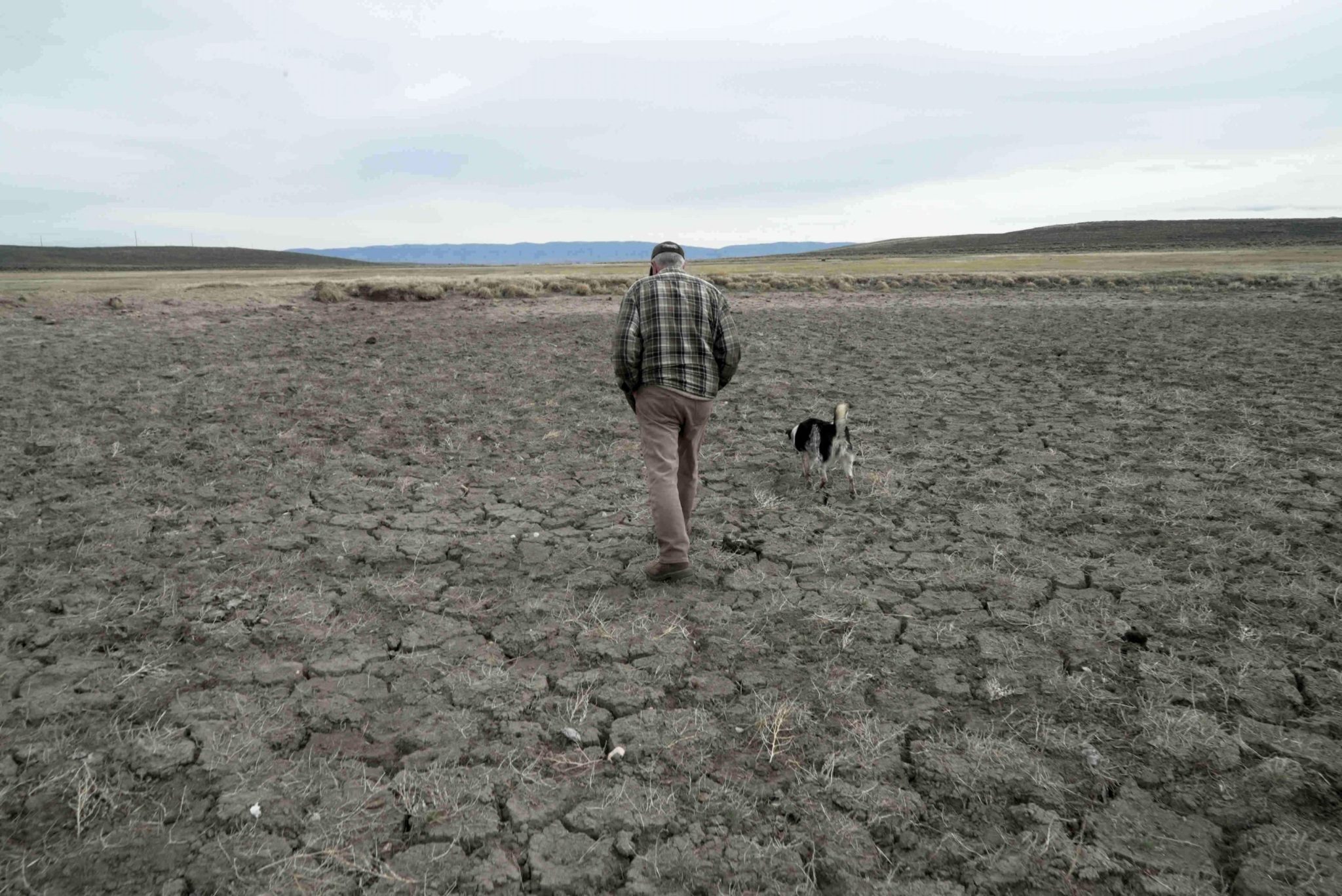
The United States is currently facing a record-breaking drought that has left more than 60% of the country extremely dry. Recent weather data shows that nearly the entire Southeast and a large portion of the West are suffering from a lack of water. This situation is the worst seen for this time of year since record-keeping began decades ago. Experts are concerned that these conditions will lead to a dangerous wildfire season and cause food prices to rise across the globe.
Main Impact
The most immediate effect of this drought is the increased risk of large fires. When the ground and plants are this dry, even a small spark can lead to a massive blaze. Beyond the threat of fire, the lack of water is putting a heavy strain on the nation's food supply. Farmers rely on steady rain and snow to grow crops, and without it, the amount of food produced will likely drop. This shortage often leads to higher prices at the grocery store, making it harder for families to afford basic needs.
Key Details
What Happened
According to the U.S. Drought Monitor, about 61% of the lower 48 states are currently in a state of moderate to extreme drought. The situation is particularly severe in the Southeast, where 97% of the region is parched. In the West, two-thirds of the land is facing similar water shortages. This is not just a typical dry spell; it is a historic event that is breaking records set over a hundred years ago.
Important Numbers and Facts
Data from the National Oceanic and Atmospheric Administration (NOAA) shows that March was the third-driest month ever recorded in the United States. The only months that were drier occurred in 1934 during the famous Dust Bowl. In some areas, the lack of rain is so severe that it would take an incredible amount of water to fix the problem. For example, parts of eastern Texas would need 19 inches of rain in a single month just to return to normal levels. Most of the Southeast would need at least a foot of rain to recover from the current deficit.
Another worrying factor is what scientists call "vapor pressure deficit." In simple terms, this measures how much moisture the air is sucking out of the ground. Currently, the air is much drier than usual, pulling water away from plants and soil at a rate that is 77% above normal. This makes the land even more prone to burning and makes it harder for plants to survive.
Background and Context
This drought is happening because of two main weather patterns. In the West, record-high temperatures have prevented snow from piling up in the mountains. Usually, this snow acts like a natural water storage system that melts slowly during the summer to fill rivers and reservoirs. Without enough snow, there is no backup water supply for the hotter months. In the South and East, the jet stream—a fast-moving river of air in the sky—has been pushing rain storms further north, leaving the ground below dry and dusty.
Public or Industry Reaction
Experts in agriculture and climate science are sounding the alarm. Meteorologists note that drought usually peaks in the summer, so seeing these levels in the spring is very unusual and frightening. In states like Arizona, plants are behaving strangely, with cacti blooming much earlier than they should. People who rely on the Colorado River for water are especially worried because the reservoirs that hold their water are nowhere near full. There is also a fear that if U.S. farmers have a bad year, it will affect the whole world, especially since other countries like India are also expecting weather patterns that could hurt their own crops.
What This Means Going Forward
As the weather gets warmer, the drought is expected to get worse. Scientists explain that for every degree the temperature rises, the risk of fire grows even faster. There is also a natural weather event called El Nino that is expected to happen soon. This can change how much rain falls in different parts of the world, often making dry areas even drier. Communities will likely need to start saving water now to prepare for a very difficult summer. If the rains do not come soon, the impact on the economy and the environment could last for years.
Final Take
The current drought is a clear sign of how extreme weather is becoming the new normal. While natural cycles play a part, the combination of record heat and shifting storm patterns has created a crisis that affects everyone from local farmers to global consumers. Preparing for a future with less water is no longer a choice but a necessity for the entire country.
Frequently Asked Questions
How much of the U.S. is currently in a drought?
About 61% of the lower 48 states are experiencing drought conditions, with the Southeast and the West being the most affected regions.
Why is this drought compared to the Dust Bowl?
March was the third-driest month on record since 1895. The only drier months occurred in 1934, which was the peak of the Dust Bowl era.
How does the drought affect food prices?
When there is not enough water for crops, farmers produce less food. This lower supply usually causes the price of groceries to go up for consumers.



