
Summary
The International Energy Agency (IEA) has announced a plan to release 400 million barrels of oil from its emergency reserves. This is the largest release of oil in the history of the organization. The decision comes as a response to the ongoing war in the Middle East, which has caused major disruptions in global energy markets. By releasing these stocks, the IEA hopes to stop fuel prices from rising too high and ensure there is enough oil for countries around the world.
Main Impact
The primary impact of this decision is an attempt to stabilize the global economy. The war has led to a massive drop in oil exports, with current levels at less than 10% of what they were before the conflict began. This shortage has caused energy prices to jump, affecting everything from the cost of driving a car to the price of heating a home. By adding 400 million barrels to the market, the IEA is trying to fill the gap left by the missing exports and prevent a full-scale economic crisis.
Key Details
What Happened
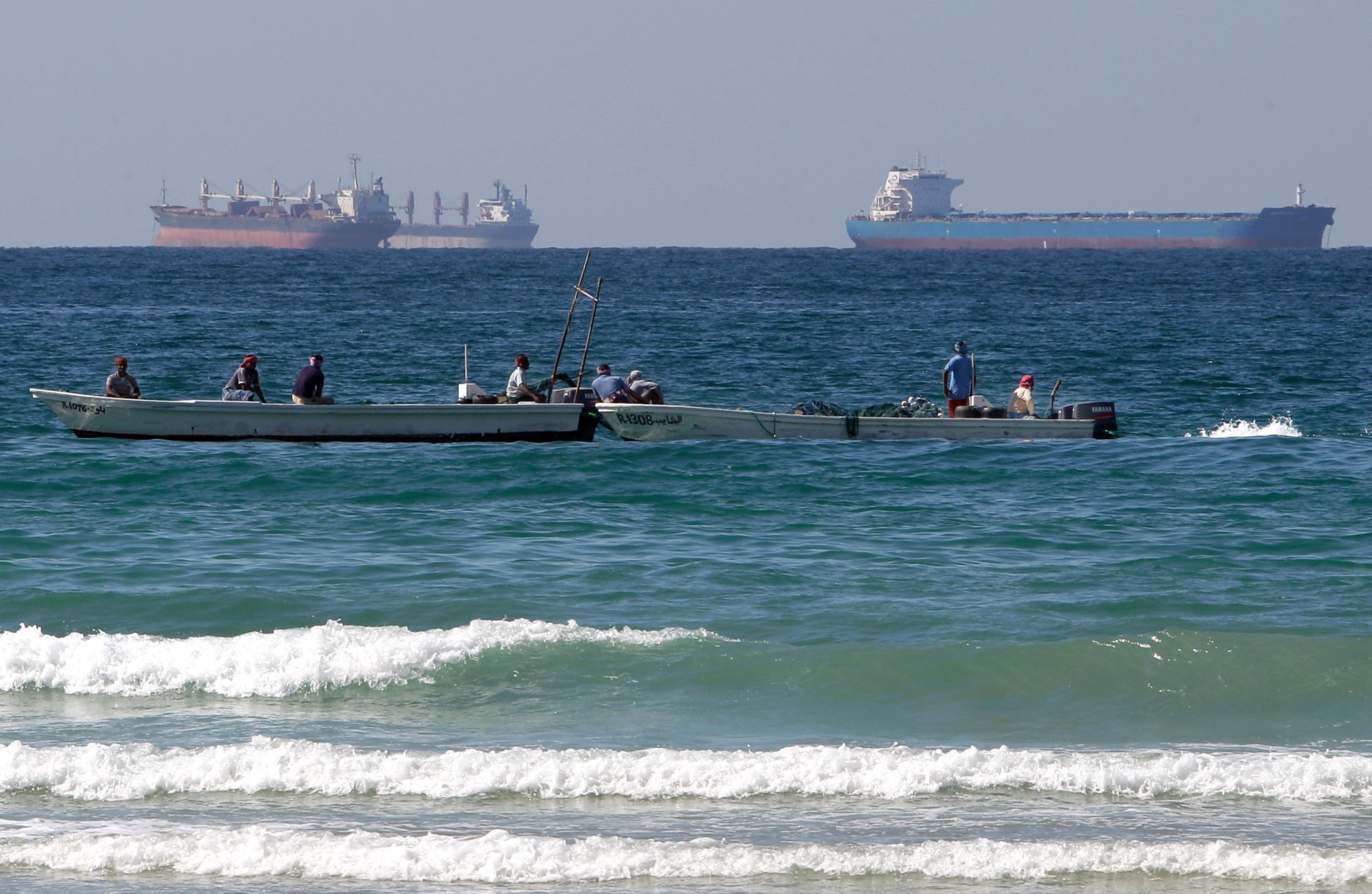
The conflict in the Middle East has moved into the Persian Gulf, a vital area for the world's oil supply. Iran has attacked commercial ships and targeted oil fields and refineries in nearby countries. Most importantly, traffic has stopped in the Strait of Hormuz. This narrow waterway is essential because about 20% of all the world's oil passes through it. With this path blocked, oil cannot reach the countries that need it most. In response, the 32 member countries of the IEA agreed to step in and use their backup supplies.
Important Numbers and Facts
The 400 million barrels being released now is a massive increase compared to previous emergencies. For example, in 2022, the IEA released 182.7 million barrels following the invasion of Ukraine. This new release is more than double that amount. Even after this large release, IEA member countries still hold a significant amount of oil. They have over 1.2 billion barrels in public emergency stocks and another 600 million barrels held by private industries under government rules. This means they have more resources available if the situation gets worse.
Background and Context
The IEA was formed in 1974 after a major oil crisis. Its goal is to make sure that member countries have a plan if oil supplies are ever cut off. These countries are required to keep a certain amount of oil in reserve at all times. Over the years, these reserves have been used during other major events, such as the wars in Iraq and Libya. The current situation is considered one of the most serious threats to energy security in decades because of how much oil flows through the Middle East.
Public or Industry Reaction
Energy ministers from the G7, which includes the world's leading industrial nations, have expressed strong support for this move. They believe that taking proactive steps is the only way to handle the current price spikes. Individual countries are also taking their own actions. Germany and Austria have already started releasing their portions of the oil. Japan has announced it will begin its release next Monday. German officials have emphasized the importance of "mutual solidarity," meaning that countries must work together to help each other during this difficult time.
What This Means Going Forward
While 400 million barrels is a record-breaking amount, there are concerns that it might not be enough if the war continues for a long time. If the Strait of Hormuz remains closed, the world will continue to lose millions of barrels of oil every day. To help consumers, some governments are passing new laws. In Germany, gas stations may soon be limited to raising their prices only once per day. In Austria, price hikes at the pump will only be allowed three times a week. These measures are designed to protect regular people and businesses from sudden, extreme price changes.
Final Take
The release of 400 million barrels of oil is a bold and necessary step to protect the global energy market. It shows that international leaders are willing to use every tool they have to prevent an economic disaster. However, the long-term success of this plan depends on whether the conflict in the Middle East can be resolved and whether the major shipping routes can be reopened safely. For now, the world is relying on these emergency reserves to keep the lights on and the wheels of industry turning.
Frequently Asked Questions
Why is the IEA releasing so much oil right now?
The IEA is releasing 400 million barrels because the war in the Middle East has blocked major shipping routes, causing a global shortage and making oil prices spike.
What is the Strait of Hormuz and why does it matter?
The Strait of Hormuz is a narrow water passage in the Middle East. It is very important because about one-fifth of the world's oil is shipped through it to reach international markets.
Will this release make gas prices go down immediately?
The release is intended to stop prices from rising further and to stabilize the market. While it may help lower costs over time, the final price at the pump also depends on how long the conflict lasts.



