
Summary
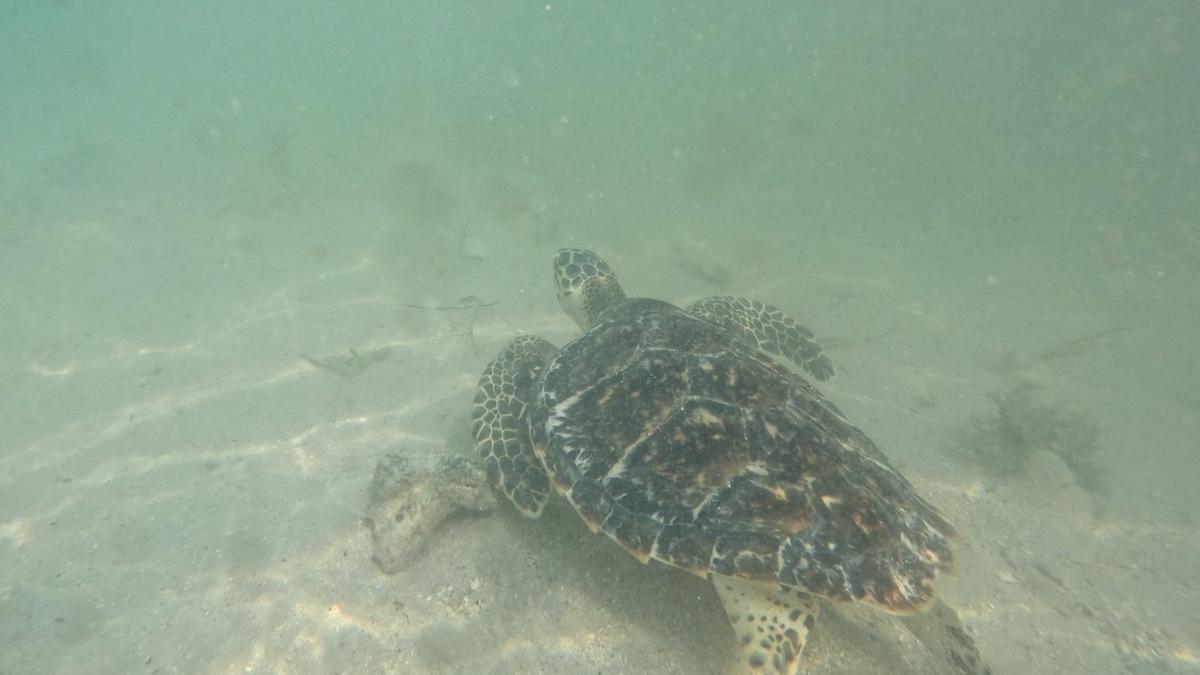
A young hawksbill turtle has been successfully returned to the ocean after a long recovery process. The turtle was first found weak and stranded on a beach in Chennai earlier this year. After receiving medical care for several months, it was driven 600 kilometers to a safer environment. This successful release marks a major victory for wildlife conservationists working to protect endangered marine species.
Main Impact
The rescue and release of this hawksbill turtle are significant because this species is critically endangered. Unlike the more common Olive Ridley turtles that visit the Chennai coast, hawksbill turtles are rarely seen in the area. By saving this single juvenile, rescuers have helped preserve a species that is at high risk of extinction. The move also shows how different government groups and animal experts can work together to save marine life.
Key Details
What Happened
The story began on January 8, when the small turtle was spotted on the Neelankarai coast. People on the beach noticed the animal was struggling. Even though they tried to push it back into the water several times, the turtle kept washing back onto the sand. This is a clear sign that a sea turtle is either very sick, injured, or too exhausted to swim against the waves. Local wildlife authorities were called to step in and take the animal to a treatment center.
Important Numbers and Facts
The turtle underwent several months of health monitoring to ensure it was strong enough to survive on its own. Once it was cleared by doctors, the team organized a massive 600-kilometer road trip. The turtle was carefully placed in a specialized container to keep it safe and moist during the long drive. The destination was the Gulf of Mannar, a protected marine area known for its healthy coral reefs and clear waters.
Background and Context
Hawksbill turtles are unique because of their beautiful, patterned shells and their bird-like beaks. In the past, they were hunted heavily because people wanted to use their shells to make jewelry and combs. Today, they face new threats like plastic pollution, getting caught in fishing nets, and the loss of coral reefs. While many turtles are found along the coast of Tamil Nadu, the hawksbill is a rare sight near the city of Chennai.
The decision to move the turtle 600 kilometers was based on its natural habitat. While the beaches near Chennai are sandy and good for some turtles, hawksbills prefer living near coral reefs where they can find their favorite food, such as sea sponges. The Gulf of Mannar Biosphere Reserve provides the perfect environment for a young turtle to grow and thrive without the heavy boat traffic and pollution found near big cities.
Public or Industry Reaction
Marine biologists and environmentalists have praised the effort. They noted that transporting a marine animal over such a long distance by road is a difficult task. It requires constant monitoring of the animal's temperature and stress levels. The successful release has encouraged local fishing communities to keep a lookout for other stranded animals. Many people are now more aware of the rare wildlife that lives just off the coast.
What This Means Going Forward
This event highlights the need for better medical facilities for marine animals along the coastline. As climate change and ocean pollution continue to affect sea life, more animals may end up stranded on public beaches. Having a clear plan for rescue, rehabilitation, and transport is essential. The success of this 600-kilometer journey serves as a model for future rescues. It proves that with enough care and resources, even the most vulnerable animals can be given a second chance at life in the wild.
Final Take
The journey of this young hawksbill turtle is a reminder of the dedication required to protect our planet's rarest creatures. From the moment it was found struggling on a Chennai beach to its final swim into the coral reefs of the Gulf of Mannar, many people worked together to ensure its survival. This story is a positive sign for marine conservation and shows that human effort can make a real difference in the fight against extinction.
Frequently Asked Questions
Why did the turtle keep washing back to the shore?
When a sea turtle repeatedly washes ashore, it usually means it is too weak to swim. This can be caused by an infection, an injury from a boat, or because it has swallowed plastic. In this case, the turtle needed medical rest before it could handle the ocean currents again.
Why was the turtle moved 600 kilometers away?
The turtle was moved to the Gulf of Mannar because that area has coral reefs, which are the natural home for hawksbill turtles. The waters there are cleaner and safer than the busy coastal areas near Chennai, giving the turtle a better chance to find food and grow.
Are hawksbill turtles common in India?
No, they are quite rare. While India sees many Olive Ridley turtles every year, hawksbills are much harder to find. They are listed as critically endangered worldwide, which means they are among the most threatened animals on earth.



