
Summary
Researchers recently discovered ancient stone sculptures and written records on a dry river bed. These items belong to the Early Chola period, a time of great artistic and political growth in South India. The find includes two specific statues of the Hindu god Shiva and a stone slab with writing that lists donations made to a temple. This discovery provides new clues about how local communities functioned and worshipped over a thousand years ago.
Main Impact
The discovery of these artifacts is significant because it adds to our knowledge of the Early Chola era. This period is known for its unique style of art and its focus on building large stone temples. Finding these items on a river bed suggests that there may have been an ancient temple or a settlement nearby that was lost to time or changes in the river's path. These pieces help historians map out where the Chola influence was strongest and how they managed their religious centers.
By studying the writing on the stone slab, experts can learn about the economy of that time. The records show who gave gifts to the temple and what those gifts were. This information is vital for understanding the social structure of ancient villages. It shows that temples were not just places for prayer, but also acted as banks and community centers where wealth was recorded and managed.
Key Details
What Happened
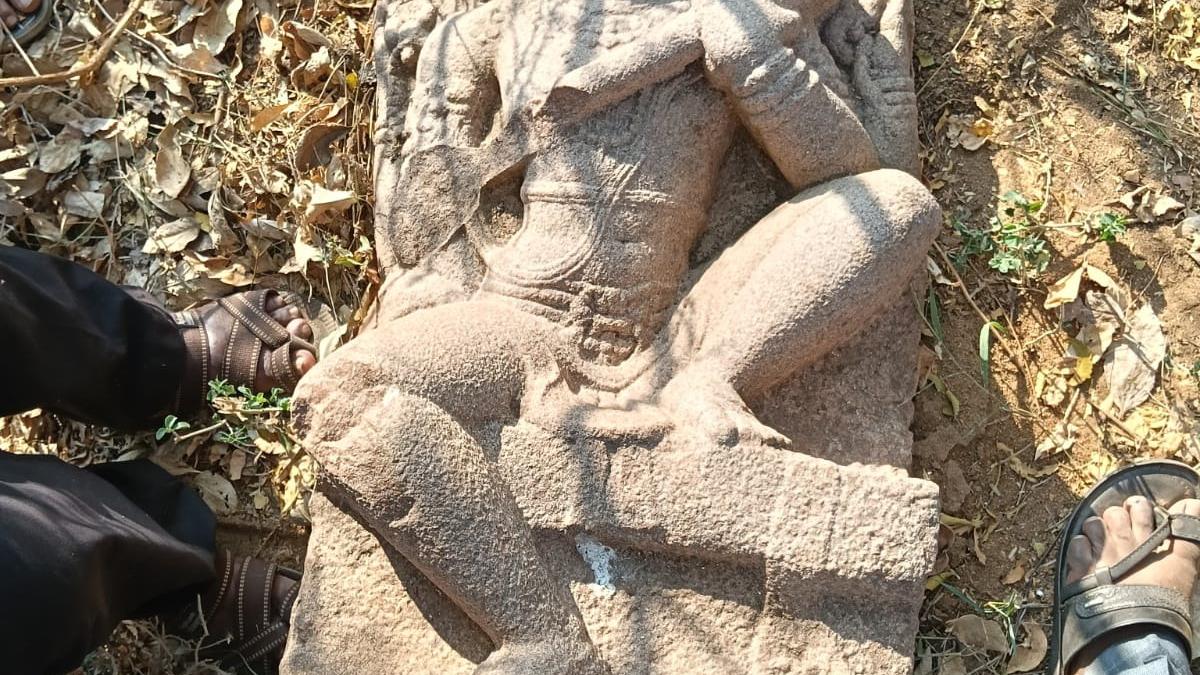
A team of researchers was exploring a river bed when they noticed unusual stone shapes sticking out of the ground. Upon closer inspection, they identified two distinct sculptures. One represents Dakshinamurthy, which is a form of Shiva as a teacher of wisdom and music. The second sculpture is Vinadhara Shiva, which shows the deity holding a musical instrument called a lute. Along with these statues, the team found a flat stone slab covered in ancient writing, known as inscriptions.
Important Numbers and Facts
The artifacts date back to the Early Chola period, which roughly spans from the 9th to the 10th century AD. The sculptures are carved from hard stone, a common practice during this era to ensure they lasted for a long time. The inscriptions on the stone slab record specific gifts, which often included items like land, gold, or livestock. These donations were meant to pay for daily rituals, oil for lamps, or special festivals at the temple. The presence of both Dakshinamurthy and Vinadhara Shiva in one location is a rare find that highlights the artistic variety of the time.
Background and Context
The Chola dynasty was one of the longest-ruling dynasties in world history. During their peak, they controlled large parts of South India and even reached parts of Southeast Asia. The "Early Chola" phase is particularly interesting to historians because it was a time when the dynasty was establishing its power after the fall of other local kingdoms. During this time, they moved away from using bricks for temples and started using solid stone.
Rivers played a huge role in where people lived. Most ancient cities were built near water for farming and transport. Over hundreds of years, rivers can change their course or flood, which often buries buildings and statues under sand and mud. This is likely why these sculptures were found on a river bed. They were hidden for centuries until the water levels dropped or the soil shifted enough to reveal them.
Public or Industry Reaction
Archaeologists and history fans have expressed great interest in this find. Experts say that the quality of the carvings is very high, which shows that the artists of that time were very skilled. Local residents are also curious about the history of their area, as many were unaware that such old treasures were hidden so close to their homes. Scholars are now calling for a more detailed survey of the river bed to see if more parts of the temple are still buried under the sand.
What This Means Going Forward
The next step for researchers is to clean and preserve the sculptures to prevent them from breaking. The inscriptions on the stone slab will be carefully copied and translated. This will help identify the exact name of the temple and the names of the people who lived in the area during the 9th or 10th century. There is also a possibility that the government will move these items to a museum to keep them safe from theft or damage caused by the weather. This discovery might lead to more excavations in the surrounding area to find the rest of the ancient site.
Final Take
Finding these ancient stones is like opening a window into the past. They tell a story of a society that valued art, religion, and careful record-keeping. As researchers continue to study these items, we will gain a better understanding of the Early Chola period and the people who helped build one of India's greatest empires.
Frequently Asked Questions
Who were the Cholas?
The Cholas were a powerful dynasty in South India known for their strong navy, grand temples, and beautiful bronze and stone art. They ruled for several centuries.
What do the sculptures represent?
The sculptures show two forms of the god Shiva. Dakshinamurthy represents Shiva as a teacher of yoga and music, while Vinadhara Shiva shows him holding a musical instrument.
Why are the inscriptions important?
The inscriptions act as historical records. They tell us about the gifts given to temples, the names of rulers, and how the local economy worked during that time.



