
Summary
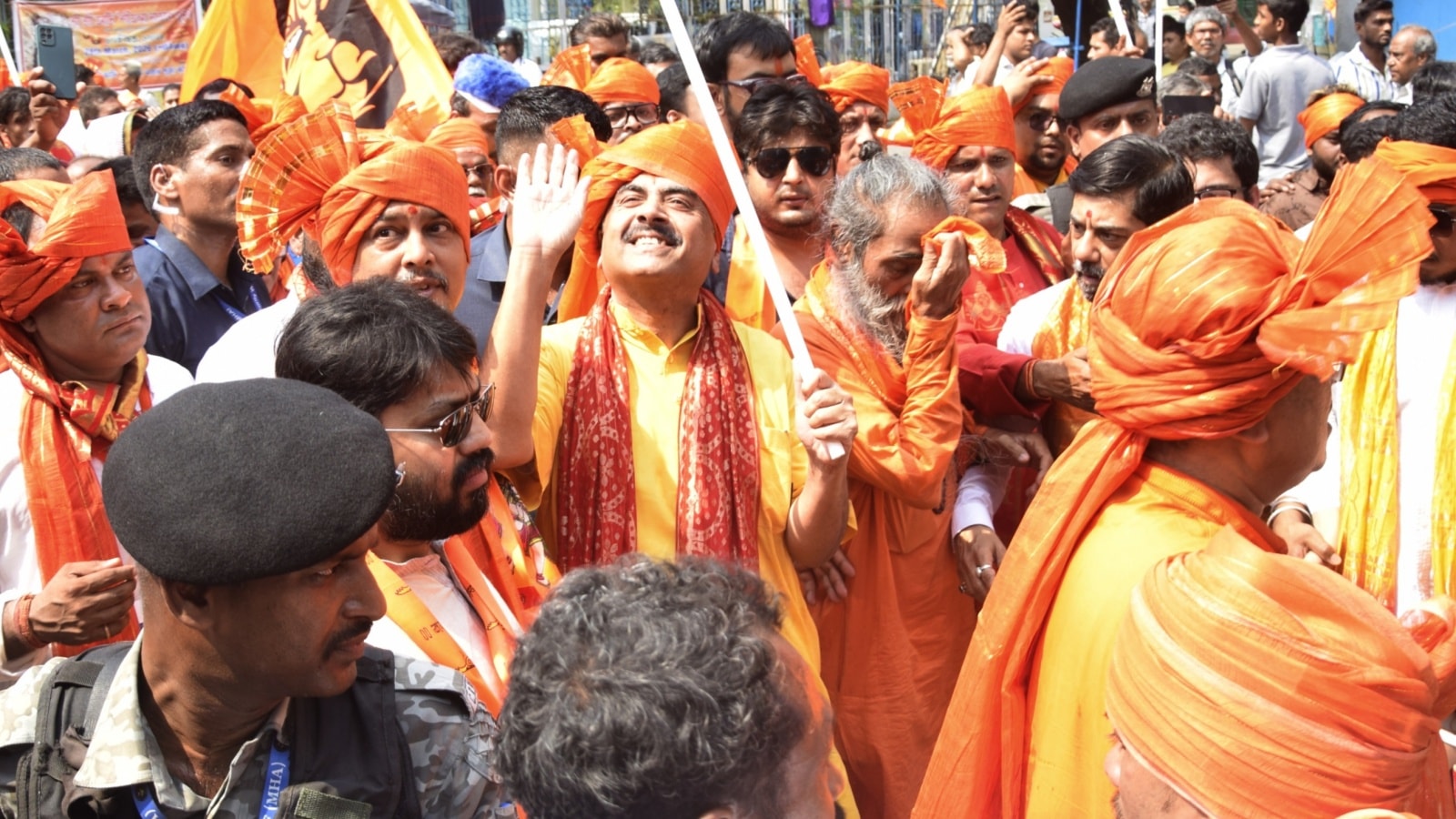
Suvendu Adhikari, the Leader of the Opposition in West Bengal, led a large Ram Navami procession through Bhabanipur, which is the home constituency of Chief Minister Mamata Banerjee. This event marked a significant political move as the BJP took its celebrations directly into the heart of the ruling party's stronghold. While the march was filled with energy and religious chants, Chief Minister Mamata Banerjee issued a strong appeal for peace and harmony across the state. The day was marked by high security and a clear display of political competition between the two main parties in the region.
Main Impact
The decision to hold a major religious march in Bhabanipur has shifted the political focus in West Bengal. By choosing this specific location, the BJP is signaling that it is ready to challenge the Trinamool Congress (TMC) on its own ground. This move has forced the state administration to be on high alert to prevent any clashes or disruptions. The impact is not just religious but deeply political, as it shows how festivals are being used to measure public support and visibility before future elections. It also highlights the ongoing tension between the state government and the opposition regarding the right to hold public events.
Key Details
What Happened
On the occasion of Ram Navami, Suvendu Adhikari joined thousands of supporters in a walk through the streets of South Kolkata. The procession featured traditional music, saffron flags, and large portraits of Lord Ram. The marchers moved through several neighborhoods in Bhabanipur, an area that has long been loyal to Mamata Banerjee. Adhikari walked with the crowd, greeting people and emphasizing the importance of the festival. Meanwhile, the Chief Minister stayed active on social media and through official channels, urging citizens to celebrate with joy but without causing trouble for others.
Important Numbers and Facts
The event saw a massive turnout, with thousands of people participating in the Bhabanipur march alone. To ensure safety, the Kolkata Police deployed over 2,000 officers along the route. Drones were used to monitor the crowd from above, and several roads were diverted to manage traffic. This was one of dozens of similar processions held across West Bengal on the same day. The state government had previously set strict rules for these marches, including limits on the use of weapons and specific time slots for the events to finish.
Background and Context
In West Bengal, the celebration of Ram Navami has changed significantly over the last few years. What was once a smaller religious event has now become a major point of political debate. The BJP has used these celebrations to connect with voters and build a stronger presence in the state. On the other hand, the TMC often views these large marches with suspicion, fearing they could lead to communal tension. Bhabanipur is a symbolic location because it is where Mamata Banerjee lives and has won multiple elections. Taking a march there is seen as a direct challenge to her local influence.
Public or Industry Reaction
The reaction to the march was split along political lines. BJP supporters praised Suvendu Adhikari for his courage in bringing the celebration to the Chief Minister’s doorstep. They argued that every citizen has the right to celebrate their faith anywhere in the country. However, TMC leaders criticized the move, calling it a political stunt designed to provoke the local population. They accused the BJP of trying to disturb the peace for political gain. Local residents expressed a mix of excitement for the festival and concern about the heavy police presence and potential for traffic delays.
What This Means Going Forward
This event suggests that the political rivalry in West Bengal will only get more intense. As both parties prepare for upcoming local and national polls, we can expect more such public displays of strength. The state government will likely continue to enforce strict rules on public gatherings to maintain order. For the BJP, the success of the Bhabanipur march provides a boost in confidence, showing they can mobilize large numbers even in TMC-heavy areas. The focus will now stay on how the administration handles future festivals and whether the current peace can be maintained during other large public events.
Final Take
The Ram Navami march in Bhabanipur was more than just a religious celebration; it was a clear statement of political intent. While Suvendu Adhikari used the event to show the BJP's growing reach, Mamata Banerjee focused on her role as a leader maintaining order. The peaceful conclusion of the march is a positive sign for the state's law and order, but the underlying political tension remains very high. Both sides are now watching each other closely as the political battle for West Bengal continues to grow.
Frequently Asked Questions
Why was the march in Bhabanipur significant?
Bhabanipur is the home constituency of Chief Minister Mamata Banerjee. Holding a large opposition-led march there is seen as a direct political challenge to her authority and the TMC's influence in the area.
What measures were taken to keep the peace?
The police deployed thousands of officers, used drones for surveillance, and set strict guidelines for the marchers. The Chief Minister also made public appeals for everyone to remain calm and avoid any form of provocation.
Who led the Ram Navami procession?
The procession in Bhabanipur was led by Suvendu Adhikari, who is the Leader of the Opposition in the West Bengal Legislative Assembly and a prominent member of the BJP.



