
Summary
Residents of Ward 13 in Rajkot are expressing deep anger over the lack of basic facilities in their neighborhood. For over 25 years, people living in areas like Khodiyarnagar have struggled with broken roads, poor water supply, and crumbling buildings. Many locals feel so neglected by the government that they have compared their living conditions to being in a forgotten land. With local elections approaching, these residents are now questioning whether they should vote at all, as their repeated complaints have gone unanswered for decades.
Main Impact
The long-term neglect of Ward 13 has created a dangerous living environment for thousands of people. Broken drainage pipes are causing dirty water to flood the streets, leading to health risks and bad smells. The most serious concern is the state of the government-built housing quarters, which are 25 years old and in very poor condition. Residents fear these buildings could collapse at any moment, putting many lives at risk. This frustration has turned into a political movement, with many families threatening to boycott the upcoming municipal elections unless real changes are made.
Key Details
What Happened
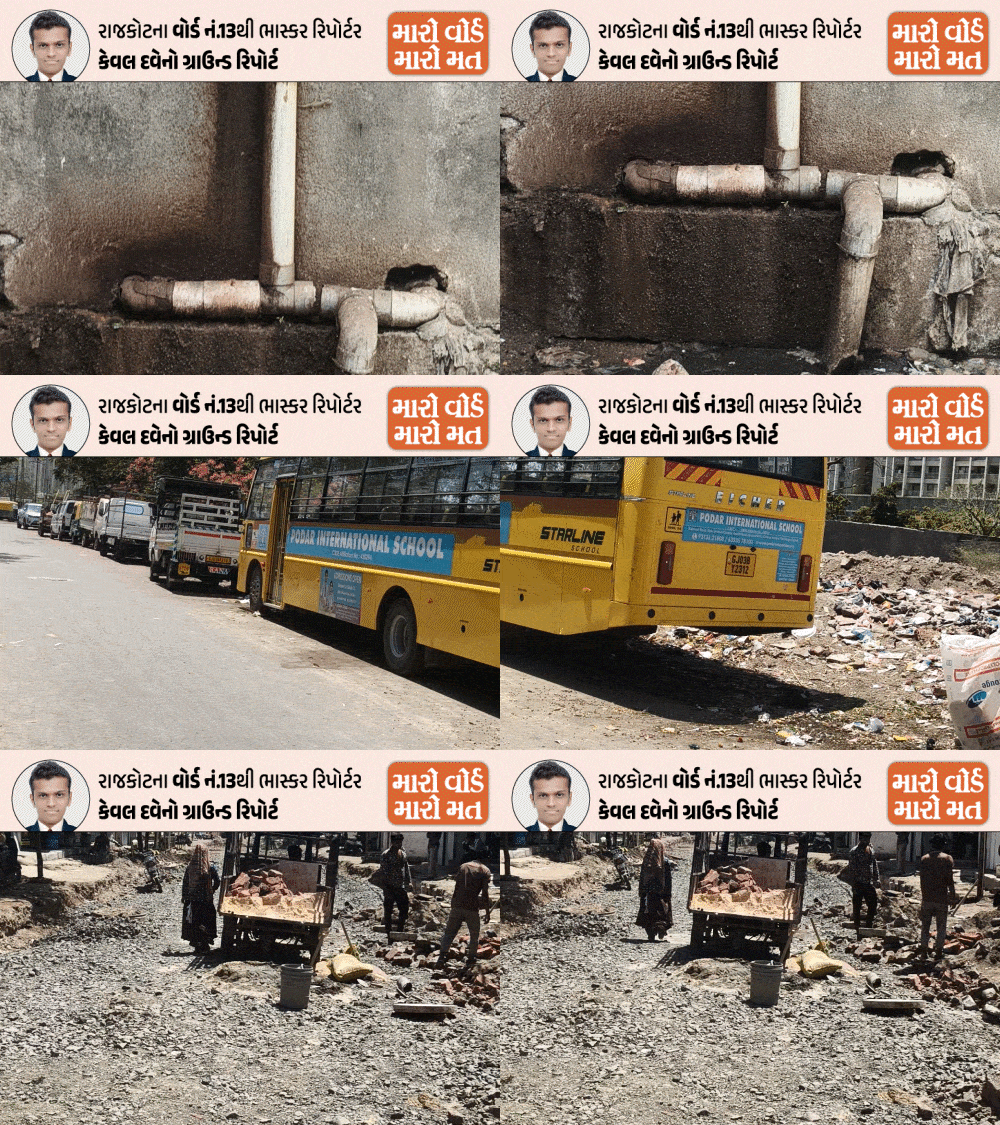
During a recent ground report, residents of Khodiyarnagar and surrounding areas shared their daily struggles. They pointed out that roads have been dug up for a long time and never repaired. This makes it difficult for people to walk, especially for the elderly and those with disabilities. One resident, Nitaben Bhatti, who is physically challenged, mentioned that she often falls down just trying to go out and buy vegetables because the streets are in such bad shape.
The water situation is equally bad. Instead of getting fresh water every day, residents only receive water once every two days. Often, this water is contaminated because of broken pipes near drainage lines. When people complained to the authorities, they were told that this is the only kind of water they would get, which has left the community feeling hopeless and insulted.
Important Numbers and Facts
The issues in Ward 13 affect a large number of people and businesses. In the Chandreshnagar vegetable market, there are about 300 small vendors who sell their goods every day. These vendors pay a monthly fee of 1,000 rupees to the city corporation. Despite paying this money, they have no access to clean drinking water, public toilets, or even a basic roof to protect them from the sun and rain. During the monsoon season, the entire market turns into a muddy mess, making it hard for both sellers and customers.
Background and Context
Ward 13 has been under the rule of the same political party for 25 years. In many cities, a long period of stable leadership is expected to bring development, but the residents here say the opposite has happened. While other parts of Rajkot have seen new roads and modern facilities, Khodiyarnagar and Ambedkar Nagar seem to have been left behind. Basic needs like schools, health centers, and child care centers (Anganwadis) are either too far away or surrounded by piles of garbage. This lack of progress has led to a complete loss of trust in local leaders.
Public or Industry Reaction
The reaction from the public is one of pure frustration. One local woman, Bhavana Chauhan, stated that the politicians only show up when they need votes. She mentioned that the authorities recently dumped some gravel on the roads but did not actually pave them, which only made the dust and walking conditions worse. The sentiment among many neighbors is that they will not vote for anyone this time because "development" is just a word they hear in speeches but never see in their streets.
On the political side, candidates are beginning to respond as the election nears. A new candidate from the BJP, Mohitsinh Jadeja, has promised that the next five years will focus on fixing roads and creating jobs for young people. He also mentioned plans to bring better healthcare through government cards. On the other hand, the candidate from the Aam Aadmi Party, Sanjaysinh Vaghela, criticized the current leadership. He pointed out that the vegetable market issue has been ignored for 20 years and that the government schools in the area are not in good condition.
What This Means Going Forward
The situation in Ward 13 is a clear sign that local voters are becoming more demanding. They are no longer satisfied with promises made during election season. If the city corporation does not act quickly to repair the 25-year-old buildings and fix the water lines, the risk of a major accident or a health crisis remains high. In the coming weeks, the pressure will be on political leaders to show real proof of work rather than just giving speeches. The outcome of the next election will likely depend on which party can convince the residents that their safety and basic needs will finally be a priority.
Final Take
No citizen should feel like they are living in a forgotten land while staying in a major city. The complaints from Ward 13 show a deep gap between the government's claims of progress and the reality on the ground. For these residents, a "smart city" means nothing if they cannot get clean water or walk safely outside their own homes. The true test of local leadership is not in big projects, but in how well they take care of the most basic needs of the people who pay taxes and keep the city running.
Frequently Asked Questions
Why are the residents of Ward 13 angry?
Residents are upset because they have lacked basic facilities like paved roads, clean drinking water, and safe housing for over 25 years, despite paying taxes and fees.
What is the main safety concern in the area?
The biggest safety concern is the 25-year-old government housing quarters. These buildings are crumbling and residents fear they might collapse, causing injuries or death.
What are the vegetable vendors demanding?
The 300 vendors in the local market want basic facilities like public toilets, clean drinking water, and a shed to protect them from the weather, especially since they pay a monthly fee to the corporation.



