
Summary
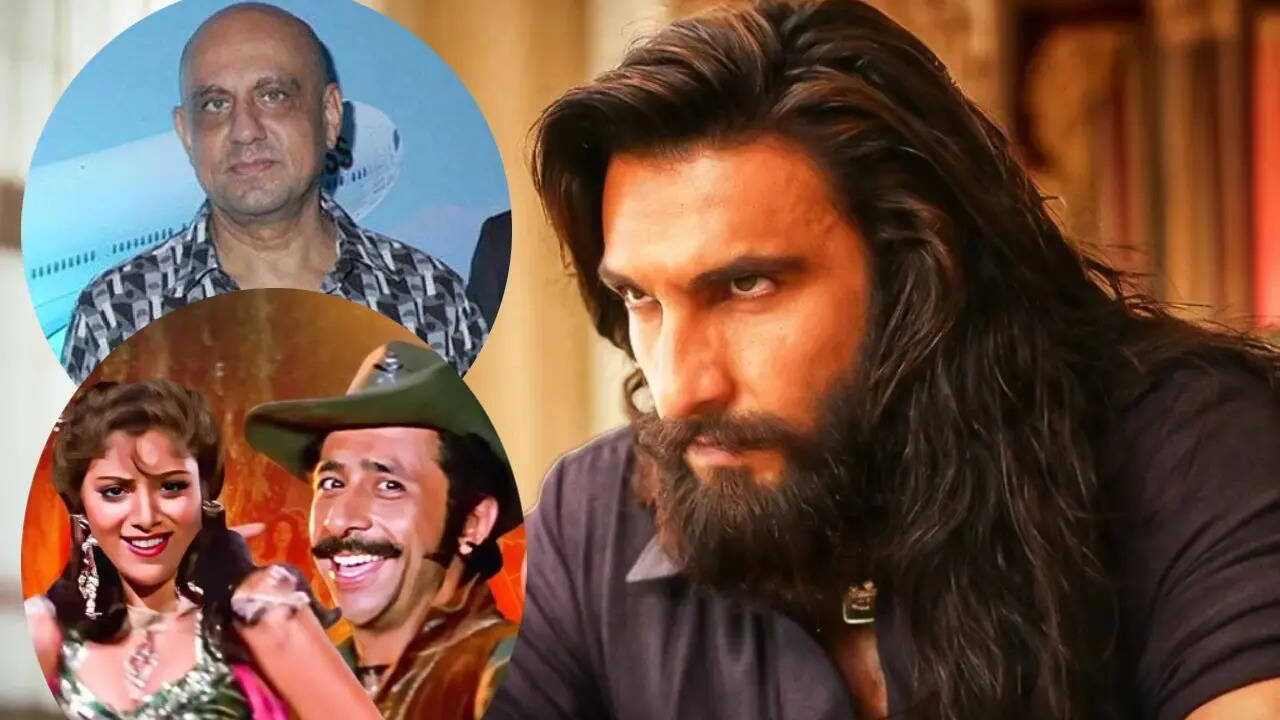
Filmmaker Rajiv Rai has agreed to stop speaking to the media about a legal fight over the song "Dhurandhar 2." This decision came after the Delhi High Court suggested that public comments could hurt the ongoing legal process. The dispute involves Trimurti Films, which claims that the song was used without the proper legal permission. By staying quiet, both sides hope to find a solution through mediation rather than a long and public court battle.
Main Impact
The main impact of this court update is the temporary silence imposed on the parties involved. In high-profile legal cases, public statements can often sway public opinion or create tension between the two sides. By asking Rajiv Rai to refrain from talking to reporters, the court is trying to create a calm environment. This move is designed to help the mediation process succeed. If the two sides can talk privately without the pressure of news headlines, they are more likely to reach a fair agreement regarding the music rights.
Key Details
What Happened
The legal trouble started when Trimurti Films filed a case against Rajiv Rai. They claimed that the use of the song "Dhurandhar 2" violated their rights as the owners of the original material. During the court sessions, it was noted that Rajiv Rai had been making public comments about the case. Trimurti Films argued that these remarks were unfair and could influence the outcome of the dispute. In response, the Delhi High Court advised Rai to stay silent on the matter while the experts tried to settle the issue through mediation.
Important Numbers and Facts
The case is currently being handled by the Delhi High Court, one of the most important legal bodies in India. The dispute centers on the intellectual property of a specific track titled "Dhurandhar 2." While the exact financial details of the claim have not been made public, music rights in the Indian film industry often involve large sums of money. The court has set a timeline for mediation, during which both parties must follow the rules of confidentiality. Rajiv Rai has officially assured the court that he will follow these instructions and avoid any further media interviews about the specific details of the song dispute.
Background and Context
To understand why this case is important, one must look at the history of the people involved. Rajiv Rai is a well-known director who made some of the biggest Bollywood hits in the 1990s, such as "Tridev," "Vishwatma," and "Mohra." Many of these films were produced under the banner of Trimurti Films, a company founded by his father, Gulshan Rai. Because of this family connection, the legal battle over song rights is not just a business matter but also a personal one.
In the film industry, music is a major source of income. When a song is remade or used in a new project, the original owners must give permission and are usually paid a fee. If someone uses a song without a clear contract, it leads to copyright infringement claims. This case shows how even family-linked businesses must follow strict legal rules when it comes to creative property.
Public or Industry Reaction
The film industry is watching this case closely because it involves a famous director and a legacy production house. Many experts believe that the court’s decision to limit media talk is a smart move. In the past, social media and news outlets have sometimes made legal battles worse by spreading rumors. People in the music business are also interested in the outcome, as it will clarify how old songs can be used in new ways. Most industry insiders prefer mediation because it is faster and cheaper than a full trial, which can take many years to finish in the Indian court system.
What This Means Going Forward
Going forward, the focus will be on the mediation room. A neutral third party will listen to both Rajiv Rai and the representatives of Trimurti Films. They will try to find a middle ground that satisfies both sides. If they reach an agreement, the case will be closed, and the terms of the deal will likely remain private. However, if mediation fails, the case will go back to a judge for a final ruling. For now, the public will not hear any updates directly from Rajiv Rai, as he must honor his promise to the court to remain silent until the process is over.
Final Take
This case serves as a reminder that legal rules apply to everyone, regardless of their fame or history in the industry. Protecting creative work is essential for the growth of the film and music sectors. By choosing mediation and staying away from the media spotlight, the parties involved have a better chance of resolving their differences respectfully. It highlights the importance of clear contracts and the need for professional handling of intellectual property in the modern age.
Frequently Asked Questions
Why did the court ask Rajiv Rai to stop talking to the media?
The court wanted to ensure that public comments did not interfere with the mediation process or create an unfair bias before a final decision is reached.
What is the dispute about?
The dispute is over the song "Dhurandhar 2." Trimurti Films claims that the song was used without their permission, leading to a copyright disagreement.
What is mediation in a legal case?
Mediation is a way to solve a legal problem without a trial. A neutral person helps both sides talk and try to reach an agreement that they both find fair.



