
Summary
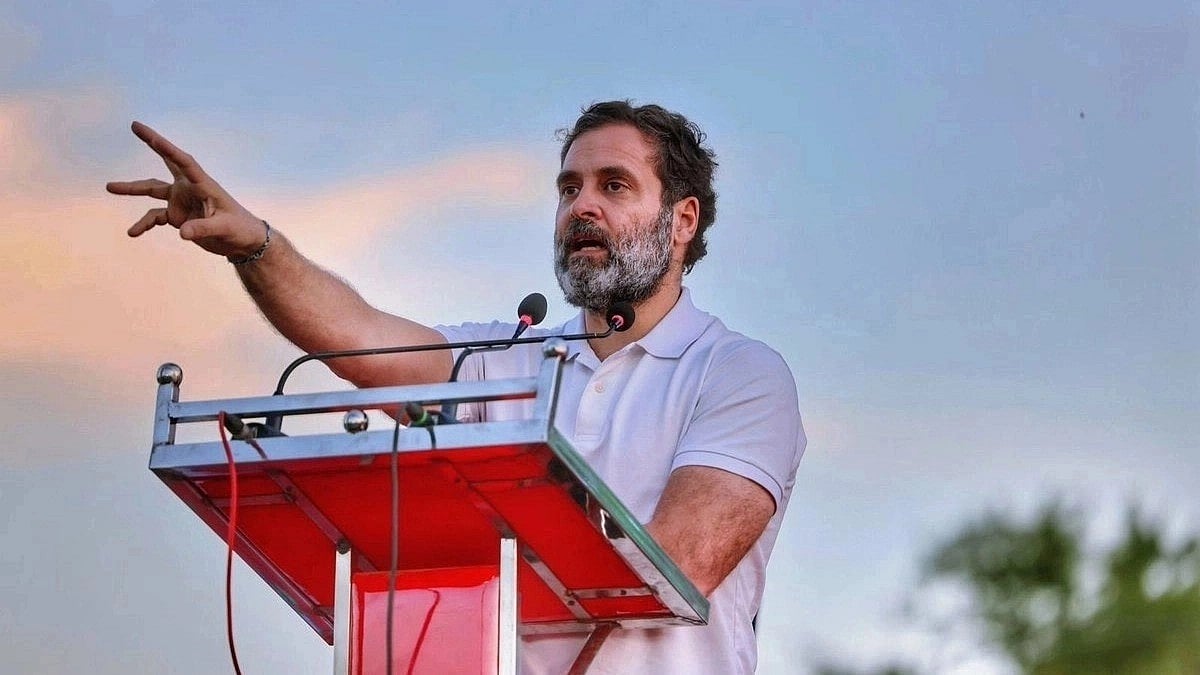
Rahul Gandhi, a senior leader of the Congress party, recently visited West Bengal to speak at political rallies. During his visit to Raiganj and Malda, he criticized both the Bharatiya Janata Party (BJP) and the local Trinamool Congress (TMC). He accused the BJP of trying to weaken the country’s laws and the TMC of failing to provide jobs for young people. These speeches are part of the lead-up to the upcoming elections in the state, where different parties are fighting for control.
Main Impact
The main impact of Gandhi’s speech is the creation of a three-way political battle in West Bengal. By attacking both the national government and the state government, he is positioning the Congress party as a third option for voters. He focused on big issues like the national Constitution and local problems like unemployment. This approach aims to show that Congress can handle both local needs and national leadership better than its rivals.
Key Details
What Happened
At the rallies, Rahul Gandhi claimed that the BJP and the RSS are using "hate-filled thinking" to change how the country works. He specifically mentioned the Special Intensive Revision (SIR), which is a process used to update the list of people allowed to vote. Gandhi called this process unconstitutional and claimed it was a way to steal votes. He also said the BJP tries to win elections by making people from different religions and castes fight each other.
When talking about the state government, Gandhi said the TMC has not kept its promises. He mentioned that while the Chief Minister promised many jobs, millions of people are still looking for work. He also accused the TMC of being involved in corruption and allowing "syndicates"—groups that control business unfairly—to run the state.
Important Numbers and Facts
Gandhi shared several important figures to support his claims. He noted that while the TMC promised 5 lakh jobs, about 84 lakh young people have applied for government help because they are unemployed. He also claimed that the central government is holding back Rs 2 lakh crore that belongs to West Bengal, including money meant for the MNREGA program, which provides work for poor people in villages.
Regarding international trade, he warned about a deal with the United States. He claimed the Indian government has agreed to buy goods worth Rs 9.5 lakh crore from the US. He fears this will cause a "tsunami" of foreign products that will force small Indian factories to close down.
Background and Context
West Bengal is a key state in Indian politics, and elections there are always very competitive. For many years, the TMC has been the most powerful party in the state. However, the BJP has grown much stronger in recent years and is trying to take over. The Congress party, which used to be very strong in certain parts of Bengal, is now trying to regain its influence. This is why Gandhi is visiting these areas to talk directly to the people about their problems, such as the lack of factories and the high rate of joblessness.
Public or Industry Reaction
The reaction to these claims has been strong. Many people in the state are worried about the lack of industries, as Gandhi pointed out that many factories have closed. Small business owners are also concerned about the trade deal with the US. Gandhi suggested that this deal would give the US too much control over India’s farming and data. He even claimed that national security could be at risk because India’s data is being shared with foreign powers. These statements have sparked a lot of debate among voters who are worried about their future and the country's safety.
What This Means Going Forward
As the elections get closer, the focus will likely stay on the economy and the rights of citizens. Gandhi promised that if Congress wins, they will fix the voting lists and bring back the names of people who were wrongly removed. The fight over funds between the state and the central government will also continue to be a major topic. Voters will have to decide if they believe the current state government can fix the job crisis or if a change in leadership is needed at both the state and national levels.
Final Take
Rahul Gandhi’s visit shows that the Congress party is not backing down from a tough fight. By highlighting the failures of both the BJP and the TMC, he is trying to offer a new path for the people of West Bengal. His focus on jobs, the Constitution, and the protection of small businesses touches on the most important concerns of the average voter. The success of this strategy will depend on whether the people believe Congress can actually deliver on its promises.
Frequently Asked Questions
Why did Rahul Gandhi criticize the electoral roll revision?
He believes the process, called SIR, is being used unfairly to remove certain people from the voting list. He called this "vote theft" and said it goes against the country's Constitution.
What did Gandhi say about the India-US trade deal?
He warned that the deal would allow too many American goods into India. He believes this will hurt small Indian businesses, lead to job losses, and give the US too much control over India's farming and data.
What are the main complaints against the TMC government?
Gandhi accused the TMC of failing to create the 5 lakh jobs they promised. He also claimed the state is run by "syndicates" and that corruption in the government has led to the closure of many industries.

