
Summary
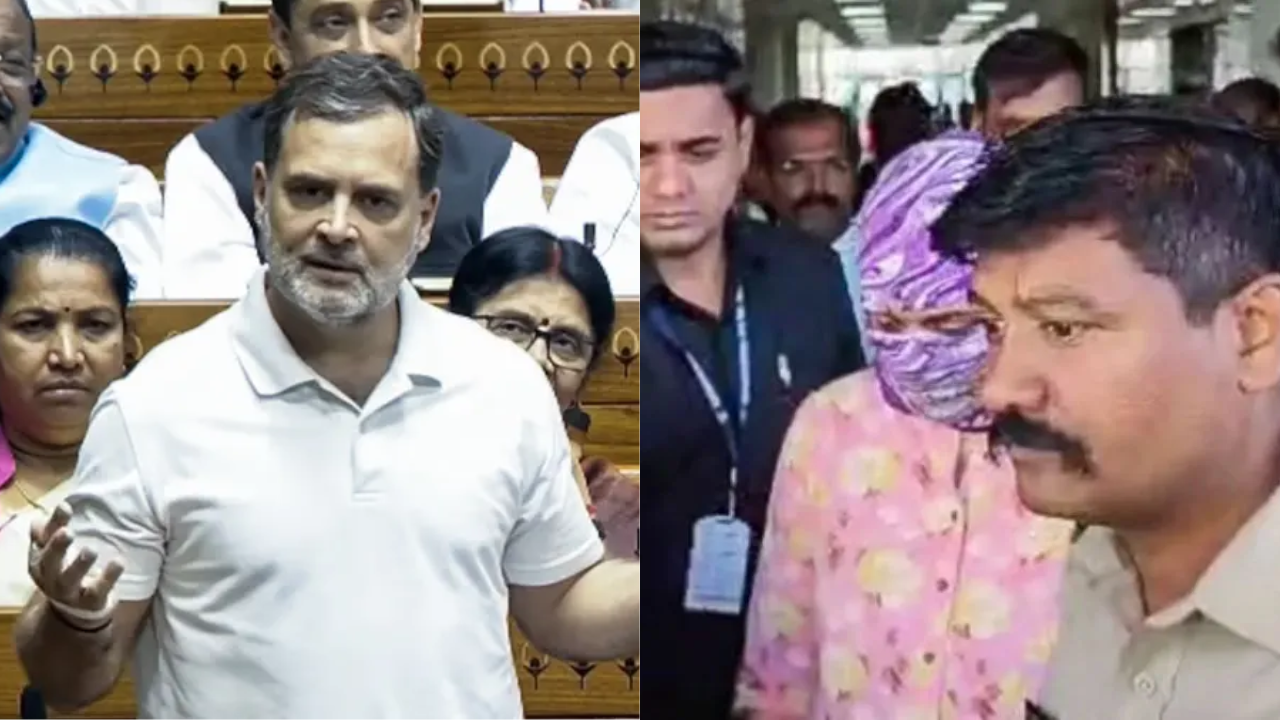
Today’s evening news highlights major political and legal developments across India. Congress leader Rahul Gandhi has voiced strong opposition to the central government’s plans regarding the delimitation bill, raising concerns about fair representation. At the same time, the legal battle over the TCS Nashik recruitment case continues as the accused individuals have approached the court for bail. These stories, along with other national updates, show a busy day in Indian politics and the judicial system.
Main Impact
The criticism from Rahul Gandhi signals a growing fight over how voting districts are drawn in the future. This process, known as delimitation, could change how many seats each state has in Parliament. If the government moves forward without addressing the concerns of the opposition, it could lead to a deeper divide between different regions of the country. Meanwhile, the TCS Nashik case is a major test for corporate security and the legal system's ability to handle exam-related fraud.
Key Details
What Happened
Rahul Gandhi spoke out against the government’s approach to redrawing seat boundaries. He argued that the current plan might unfairly reduce the political power of certain states, especially those that have successfully managed their population growth. He suggested that the government is using the delimitation bill as a way to distract the public from other important issues like the census and women's representation.
In a separate legal development, the individuals arrested in connection with the TCS Nashik case have filed for bail. This case involves allegations of cheating and malpractice during recruitment exams held at a center in Nashik. The court is now reviewing their requests to be released while the investigation continues.
Important Numbers and Facts
The delimitation process is based on population data, which is why the delay of the national census is a key point of argument. The last major seat change happened decades ago, and the new plan could affect over 500 seats in the Lok Sabha. In the TCS Nashik case, several people were taken into custody after authorities found evidence of technical interference during high-stakes job exams. The court has set a date for the next hearing to decide if the suspects can be released on bail.
Background and Context
Delimitation is a process where the boundaries of parliamentary and assembly seats are changed to make sure each seat has a similar number of voters. This is usually done after a new census. However, many leaders in Southern India worry that because their populations have grown more slowly than in the North, they will lose seats in Parliament. This makes the topic very sensitive and political.
The TCS Nashik case is part of a larger problem with exam fraud in India. Over the last few years, there have been several reports of people using technology or illegal help to pass competitive exams. Because TCS is one of the largest employers in the country, any fraud involving their recruitment process is taken very seriously by both the public and the government.
Public or Industry Reaction
Opposition parties have supported Rahul Gandhi’s stance, calling for a more transparent way to handle seat redrawing. They believe that no state should be punished for having better healthcare and population control. On social media, many people are discussing the need for a fair census before any changes are made to the voting map.
In the tech industry, the TCS Nashik case has caused concern among job seekers. Many young professionals are calling for stricter rules at exam centers to ensure that hard-working candidates are not cheated out of jobs by those using illegal methods. Legal experts are watching the bail hearing closely to see how the court balances the rights of the accused with the seriousness of the crime.
What This Means Going Forward
The debate over delimitation is likely to get more intense as the government prepares for future elections. We can expect more meetings between political parties to discuss how to balance the power between different states. If a compromise is not reached, it could lead to protests or legal challenges in the Supreme Court.
For the TCS Nashik case, the court's decision on bail will be a major step. If bail is denied, it shows that the legal system is taking a hard line against exam fraud. If it is granted, the focus will shift to how quickly the police can finish their investigation and bring the case to trial. This will serve as a warning to others who might try to rig recruitment exams in the future.
Final Take
Today's news shows that India is facing important questions about fairness, both in politics and in the job market. Whether it is the way we choose our leaders or the way we hire employees, the demand for transparency and justice remains high. The outcomes of the delimitation debate and the Nashik court case will have a lasting effect on the country's future.
Frequently Asked Questions
What is delimitation?
Delimitation is the process of redrawing the boundaries of voting districts to ensure that each representative speaks for a similar number of people. It is usually based on the latest population data from a census.
Why is Rahul Gandhi criticizing the delimitation bill?
He is concerned that the current plan will reduce the political influence of states that have controlled their population growth. He believes the process should be fair to all regions and should not be rushed without a proper census.
What is the TCS Nashik case about?
The case involves allegations of cheating and technical fraud during recruitment exams at a center in Nashik. Several people were arrested for trying to manipulate the exam results to help certain candidates get jobs.



