
Summary
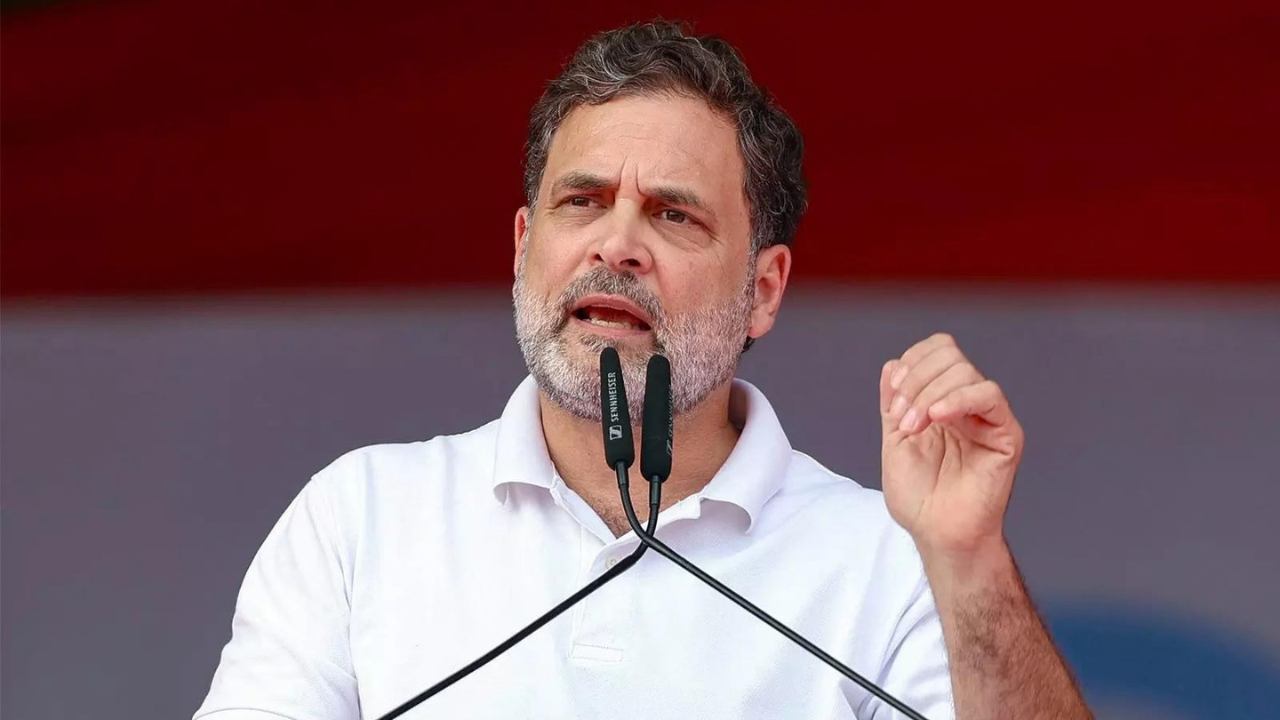
Rahul Gandhi, a leading figure in the Congress party, has launched a sharp verbal attack on the Indian government following a recent decision by the United States. The U.S. government granted India a waiver, allowing it to continue purchasing oil from Russia despite ongoing international sanctions. Gandhi claims this move is not a diplomatic win but rather the result of the U.S. taking advantage of what he calls a "compromised individual" at the head of the government. This statement has sparked a fresh debate about India's foreign policy and its energy security strategy.
Main Impact
The primary impact of this development is a heated political battle over India's standing on the world stage. While the government views the oil waiver as a way to keep fuel prices stable for Indian citizens, the opposition sees it as a sign of weakness. Rahul Gandhi’s comments suggest that India’s foreign policy is being shaped by external pressure rather than national strength. This situation highlights the difficult balance India must maintain between its long-term friendship with Russia and its growing strategic partnership with the United States.
Key Details
What Happened
The United States recently issued a formal waiver that permits India to buy Russian oil without facing the penalties usually applied to countries trading with Moscow. This is a significant move because the U.S. has been leading a global effort to limit Russia's income following the conflict in Ukraine. However, the U.S. explained that this specific waiver was granted to help keep global energy markets stable. With tensions rising in the Middle East, the world needs a steady supply of oil to prevent prices from skyrocketing. In exchange for this flexibility, the U.S. expects India to increase its imports of American oil in the coming months.
Important Numbers and Facts
India is one of the world's largest consumers of energy and relies heavily on imports to meet its needs. Since the start of the Ukraine war, Russia has become one of India's top oil suppliers, often offering crude at discounted rates. The U.S. waiver is seen as a strategic tool to manage these trade flows. By allowing India to buy Russian oil, the U.S. ensures that global supply remains high, which helps keep gas prices lower for everyone. At the same time, the U.S. is pushing for India to diversify its sources, specifically asking for a commitment to buy more energy products from American companies.
Background and Context
To understand why this matters, one must look at the global oil market. Russia is a major oil producer, but many Western nations have stopped buying from them to protest the war. This created a situation where Russia had extra oil to sell at lower prices. India took this opportunity to buy cheaper fuel, which helped control inflation at home. The U.S. initially expressed concerns about these purchases but has now changed its approach. The current instability in the Middle East has made the U.S. more worried about a global oil shortage than about stopping India's trade with Russia. This shift in policy is what Rahul Gandhi is now questioning, calling it a form of "American blackmail."
Public or Industry Reaction
The reaction to Gandhi's statement has been divided. Supporters of the Congress party argue that the government is being too submissive to U.S. demands. They believe that the requirement to buy more U.S. oil in exchange for the waiver proves that India is losing its ability to make independent choices. On the other hand, industry experts and government supporters argue that this is simply smart economics. They claim that securing a waiver allows India to get the best deals from both Russia and the U.S., ensuring that the Indian public does not suffer from high fuel costs. The government has consistently maintained that its first priority is the energy security of its own people.
What This Means Going Forward
Looking ahead, India will likely see a change in where its oil comes from. While Russian oil will still flow into Indian refineries, there will be a noticeable increase in shipments from the United States. This shift will be closely watched by international observers to see if India can truly maintain its "strategic autonomy." If the U.S. continues to use waivers as a bargaining chip, it could lead to more political friction within India. The government will need to prove that these deals are beneficial for the country and not just a response to external pressure. For the average citizen, the main concern will remain the price at the pump, which depends on how well the government manages these global relationships.
Final Take
The clash between Rahul Gandhi and the central government reveals a deep disagreement over how India should handle its role as a global power. While the U.S. waiver provides immediate relief for the energy sector, the political cost is being debated heavily. Whether this is a clever diplomatic maneuver or a sign of being "compromised" will likely be a major talking point in the upcoming political season. India's ability to navigate the demands of two global superpowers while protecting its own economy remains its biggest challenge.
Frequently Asked Questions
Why did the U.S. give India a waiver for Russian oil?
The U.S. granted the waiver to help keep global oil prices stable. Because of tensions in the Middle East, the U.S. wants to ensure there is enough oil in the market to prevent a price spike that could hurt the global economy.
What did Rahul Gandhi mean by "compromised individual"?
Gandhi used this phrase to suggest that the leadership of the Indian government is under some form of pressure or influence from the U.S., leading to decisions that he believes favor American interests over Indian independence.
Will India stop buying oil from Russia?
No, the waiver actually allows India to continue buying Russian oil. However, the U.S. expects India to also buy more oil from American sources as part of the agreement to balance its energy imports.



