
Summary
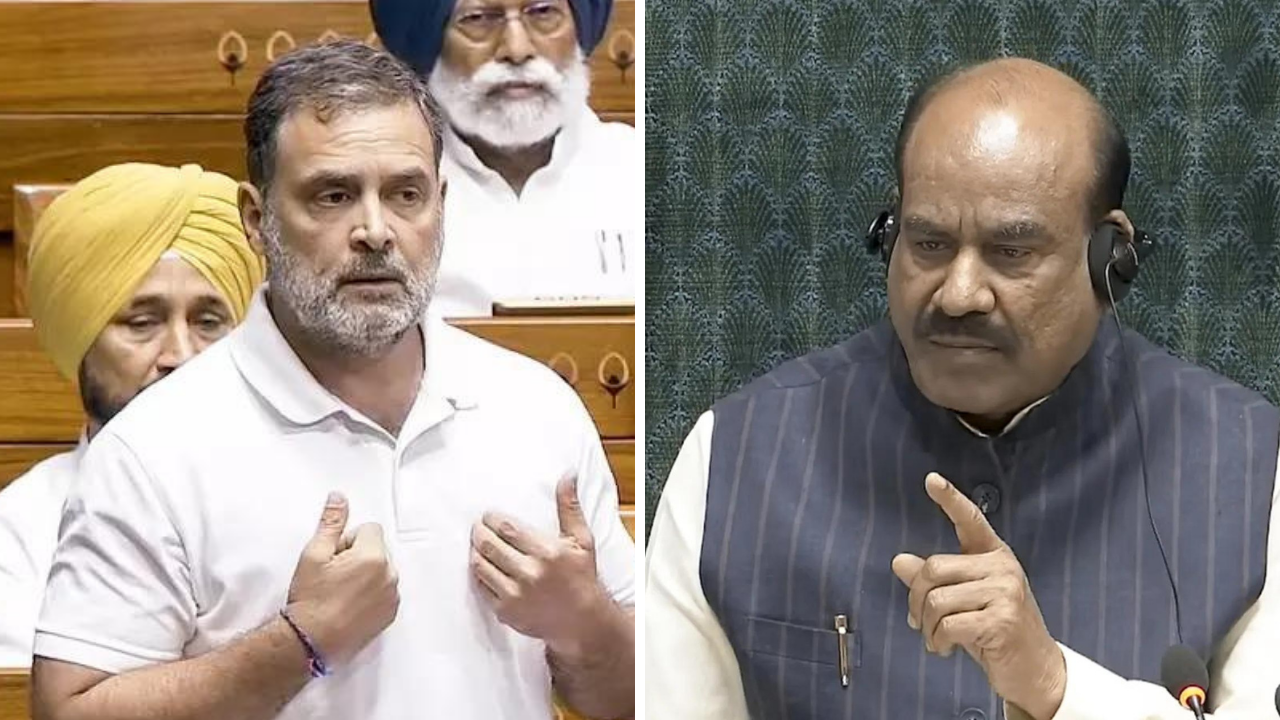
A major disagreement broke out in the Lok Sabha when Speaker Om Birla stopped Rahul Gandhi during his speech. The incident happened while the House was discussing the current energy crisis and gas shortages across the country. The Speaker stepped in after Gandhi made specific comments about Oil Minister Hardeep Singh Puri. This interruption has sparked a new debate about how much freedom opposition leaders have to speak during parliamentary sessions.
Main Impact
The main impact of this event is the growing tension between the government and the opposition parties. When a high-profile leader like Rahul Gandhi is stopped mid-speech, it often leads to claims that the voices of the people are being silenced. This event shows that the rules of the House are being applied very strictly. It also highlights the difficulty of having a smooth debate when both sides disagree on what can and cannot be said during a formal discussion.
Key Details
What Happened
During a session focused on the energy sector, Rahul Gandhi stood up to address the House. He began talking about the shortage of gas, which is a major concern for many citizens. However, as his speech continued, he started to point out specific actions taken by the Oil Minister, Hardeep Singh Puri. Speaker Om Birla quickly interrupted him, stating that Gandhi was moving away from the main topic. The Speaker reminded him that the discussion was supposed to follow a specific notice that had been filed earlier.
Important Numbers and Facts
The discussion was based on a formal notice regarding gas shortages. In the Lok Sabha, members must stick to the topic mentioned in their notice. The opposition has frequently complained that their speaking time is being limited. In past sessions, they have claimed that their microphones are sometimes turned off or that the camera focus shifts away from them when they criticize the government. While no specific time limit was mentioned in this exact moment, the sudden stop prevented Gandhi from finishing his planned points about the energy industry.
Background and Context
To understand why this matters, it is important to know how the Lok Sabha works. The Lok Sabha is the lower house of India's Parliament. The Speaker is the person in charge of making sure everyone follows the rules. Before a member speaks, they usually give a "notice," which is a written statement saying what they want to talk about. This helps keep the debate organized so that everyone stays on the same subject.
In this case, the subject was the energy crisis. India has been facing challenges with gas prices and supply. Because this affects millions of families, it is a very sensitive topic. Rahul Gandhi, as a leader of the opposition, often uses these moments to question the government's choices. The government, on the other hand, wants to ensure that the debate does not turn into a personal attack on its ministers.
Public or Industry Reaction
The reaction to this event has been split. Supporters of the opposition argue that the Speaker is being too tough on Rahul Gandhi. They believe that a leader should be allowed to name the ministers responsible for certain policies. They see the interruption as a way to protect the government from hard questions. On the other side, supporters of the government say the Speaker was just doing his job. They argue that if every member talked about whatever they wanted, the House would become chaotic and nothing would get done. They believe that following the rules is the only way to have a fair and productive meeting.
What This Means Going Forward
Going forward, we can expect more heated moments like this in the Lok Sabha. The opposition is likely to become more vocal about their right to speak without being stopped. They may even protest or walk out of future sessions if they feel they are being treated unfairly. For the Speaker, the challenge will be to remain neutral while also keeping order. This event might lead to a review of how speaking times are managed. It also puts more pressure on the government to provide clear answers about the gas shortage, as the public is now paying even closer attention to the debate.
Final Take
The clash between Rahul Gandhi and Speaker Om Birla is more than just a simple argument. It represents the ongoing struggle for balance in a democracy. While rules are necessary to keep order, the freedom to question those in power is also vital. How the Parliament handles these disagreements in the coming weeks will show a lot about the health of the country's political system.
Frequently Asked Questions
Why did the Speaker stop Rahul Gandhi?
The Speaker stopped him because he believed Gandhi was talking about things that were not in the official notice. He also felt that Gandhi was making personal remarks about a minister instead of focusing on the general topic of gas shortages.
What is a "notice" in the Lok Sabha?
A notice is a formal document that a member of Parliament submits to say they want to discuss a specific issue. It helps the Speaker manage the schedule and ensures that everyone knows what the debate will be about.
What was the main topic of the debate?
The main topic was the energy crisis in India, specifically focusing on the shortage of gas and how it is affecting the country. This is a major issue for both the public and the government.



