
Summary
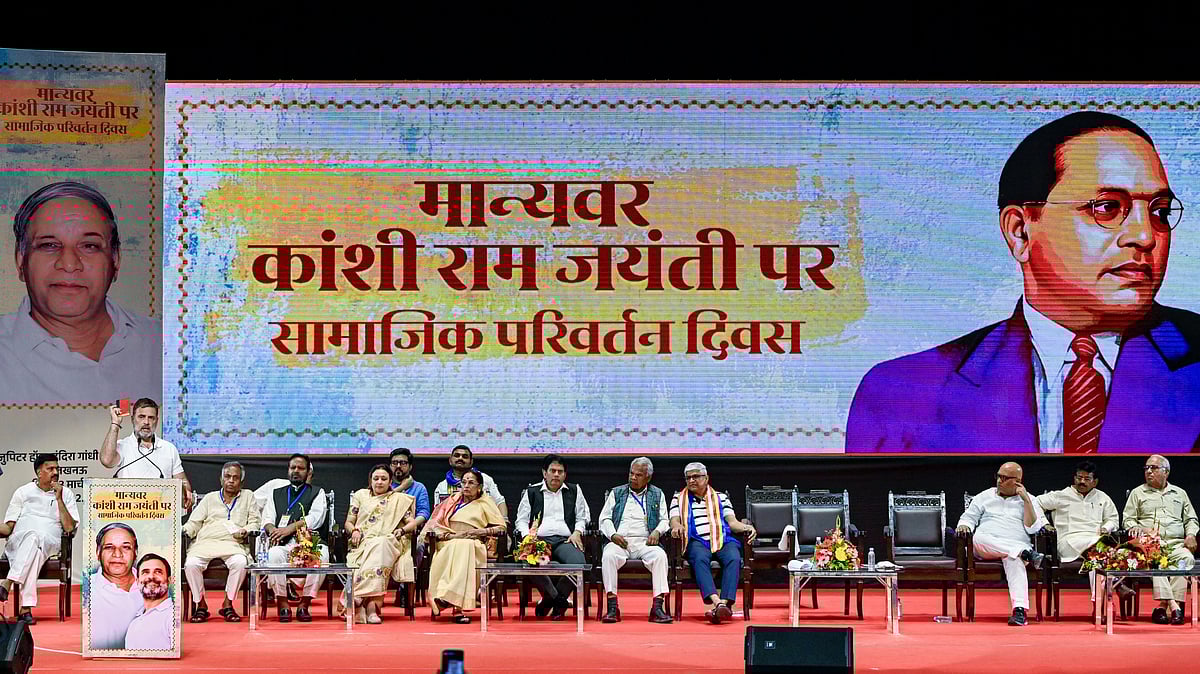
Rahul Gandhi, the Leader of the Opposition, recently shared his views on social justice and political history during a visit to Lucknow. He stated that if India’s first Prime Minister, Jawaharlal Nehru, were alive today, the Bahujan Samaj Party (BSP) founder Kanshi Ram would have served as a Congress Chief Minister. Gandhi used the event to highlight the lack of representation for marginalized communities in India’s top institutions. He also criticized the current government’s economic policies and its relationship with the United States.
Main Impact
The primary focus of Gandhi’s speech was the unequal distribution of power and wealth in India. He argued that while Dalits, Adivasis, and Other Backward Classes (OBCs) make up the majority of the population, they are missing from high-level positions. This speech marks a strong push by the Congress party to connect with the followers of Kanshi Ram and emphasize social justice as a central political issue. By linking domestic representation to international trade, Gandhi is framing the current government's actions as a failure to protect the interests of the common citizen.
Key Details
What Happened
The event, called ‘Samajik Parivartan Diwas,’ took place at the Indira Gandhi Pratishthan in Lucknow. It was held just before the birth anniversary of Kanshi Ram. Gandhi praised the late BSP leader for his lifelong work toward equality. He claimed that the current political system keeps power in the hands of a small, privileged group. He pointed out that while marginalized groups do the hardest physical labor, they are often blocked from leadership roles in the government and private sector.
Important Numbers and Facts
Gandhi shared several concerning figures during his talk. He noted that 85 percent of the population belongs to marginalized groups, yet they have almost no presence in the management of India’s 500 largest companies. He also mentioned that these communities form the bulk of workers in the MGNREGA program, which provides basic manual labor jobs. On the economic front, he claimed that Prime Minister Narendra Modi has agreed to buy ₹9 lakh crore worth of American goods every year. He argued that this deal helps the US more than India, as Indian goods still face high taxes when sold in America.
Background and Context
To understand this speech, one must look at the history of social movements in India. Leaders like Dr. B.R. Ambedkar and Kanshi Ram fought to give a voice to people who were treated unfairly for centuries. The Indian Constitution was written to ensure everyone has equal rights. However, Gandhi argues that the spirit of the Constitution is being ignored. He believes that the current government follows a different set of ideas that do not value the rights of the poor and marginalized. This debate is not just about politics; it is about who gets to run the country’s schools, hospitals, and courts.
Public or Industry Reaction
While the speech was a political address, it reflects a growing debate in India about representation and the "caste census." Supporters of the Congress party see this as a necessary step toward fairness. On the other hand, critics often argue that merit should be the only factor in hiring. However, Gandhi’s focus on the "85 percent" suggests that the party is looking to build a broad coalition of voters who feel left behind by the current economic growth. The mention of trade deals also signals that the opposition will use economic nationalism to challenge the government.
What This Means Going Forward
Looking ahead, the Congress party seems ready to make social justice its main campaign theme. Gandhi’s promise to fight for the participation of Dalits, OBCs, and Adivasis in governance suggests more policy proposals related to job quotas or fair recruitment. The critique of the US trade deal also indicates that the opposition will keep a close eye on how the government handles international business. They will likely argue that opening Indian markets too much could hurt local farmers and small business owners who cannot compete with cheap imports.
Final Take
The speech in Lucknow serves as a reminder that the fight for equality in India is still very active. By honoring Kanshi Ram and criticizing the current leadership, Rahul Gandhi is trying to redefine what it means to be a leader who stands by their principles. The focus remains on whether India can truly become a land of equal opportunity for all its citizens, regardless of their background or social standing.
Frequently Asked Questions
Why did Rahul Gandhi mention Kanshi Ram?
He praised Kanshi Ram for his work on social justice and said he would have been a Chief Minister under Nehru’s leadership to show respect for his legacy and connect with his followers.
What are the main concerns about the US trade deal?
Gandhi claimed the deal is unfair because India has committed to buying ₹9 lakh crore of US goods while facing high tariffs on its own exports, which could hurt Indian farmers and traders.
What does the "85 percent" refer to?
It refers to the majority of the Indian population, including Dalits, Adivasis, and OBCs, who Gandhi says are currently left out of top positions in the government and corporate world.

