
Summary
Rahul Gandhi, the Leader of the Opposition in the Lok Sabha, recently shared his views on the global economic race between India and China. During a meeting with tech professionals in Kerala, he praised China’s ability to build a massive industrial system that no other country can match. However, he strongly criticized the Chinese government for being undemocratic and using force to get things done. Gandhi argued that India must find a way to build its own strong manufacturing sector while keeping its democratic values, as this is the only way to create enough jobs for the future.
Main Impact
The main point of Gandhi’s message is that India is currently focused on the wrong side of the economy. While China has spent years building factories and making goods, India and the West have focused mostly on people buying and consuming products. This shift has allowed China to dominate global trade and gain a massive lead in new technologies. Gandhi believes that if India does not change its focus toward production, it will continue to struggle with unemployment and lose its influence on the world stage.
Key Details
What Happened
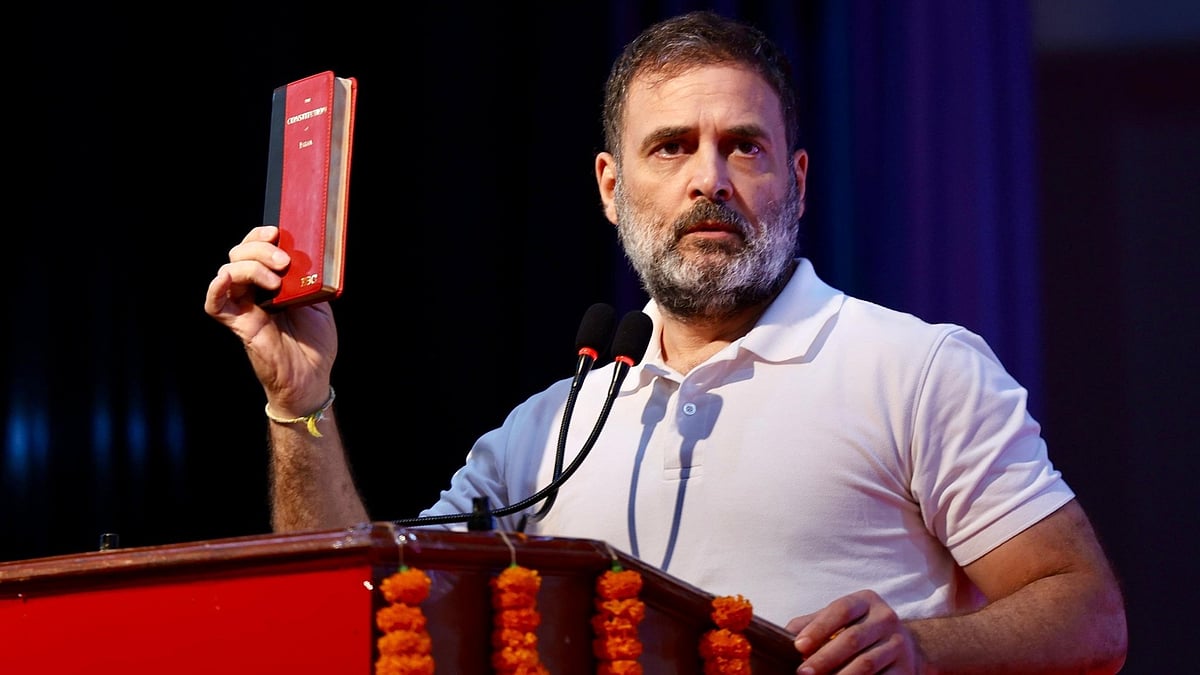
Rahul Gandhi spoke to members of the Information Technology (IT) community at Technopark in Thiruvananthapuram. During this talk, he explained that the world is seeing a major change in how power is measured. He noted that while the IT sector is important, it does not provide as many jobs as a large-scale industrial system. He expressed disappointment that India has allowed China to take over the world’s production needs.
Important Numbers and Facts
Gandhi highlighted that China now leads the world in making batteries and electric motors. He pointed out that the United States and Europe are no longer able to compete with China in the field of electric mobility. He also mentioned that India has the "scale" or the large size needed to make a big change. By moving from traditional engines to electric systems, India could potentially challenge China’s lead if the right government policies are put in place.
Background and Context
For many years, India’s economy has grown because of services like software and banking. However, these industries often require high levels of education and do not hire as many people as factories do. China took a different path by becoming the "factory of the world." This allowed them to give jobs to millions of people and build a very strong military. Gandhi’s comments suggest that India needs to copy China’s success in making things, but without giving up the freedom and rights that come with being a democracy.
Public or Industry Reaction
Gandhi also used the event to criticize how business and taxes work in India today. He claimed that some of the largest business groups in the country do not actually produce anything new. Instead, he argued they sell products in a way that hurts small, local makers. He also spoke about the Goods and Services Tax (GST). He believes the current tax system is unfair because it helps states where people buy goods but hurts the states that actually manufacture them. This, he says, makes it harder for India to become a global production leader.
What This Means Going Forward
The future of global power may depend on who controls green technology. Gandhi noted that modern wars, such as the conflict between Russia and Ukraine, show that military strength is now tied to batteries and electric motors. Since China currently controls these technologies, they have a strategic advantage. For India to be safe and successful, it must invest heavily in these areas. The next steps for the country involve creating a "vision for production" that encourages businesses to build factories and innovate in the green energy sector.
Final Take
India stands at a crossroads where it must choose between remaining a nation of consumers or becoming a nation of makers. While China’s industrial success is impressive, its political system is not a model India wants to follow. The challenge for India is to prove that a democratic country can be just as productive and powerful as an undemocratic one. Success will require changing tax laws, supporting local manufacturing, and focusing on the technologies that will drive the world in the coming years.
Frequently Asked Questions
Why does Rahul Gandhi think China is ahead of India?
He believes China is ahead because they focused on building a massive industrial production system, while India and other countries focused more on people buying and consuming goods.
What technology does Gandhi think is most important for the military?
He says that batteries and electric motors are now the most important technologies for military power, as seen in recent global conflicts.
What is Gandhi’s main criticism of the Indian tax system?
He argues that the current GST structure helps states that consume products but hurts the states that produce them, which discourages manufacturing.

