
Summary
Rahul Gandhi, a top leader of the Congress party, recently made strong statements against both the Bharatiya Janata Party (BJP) and the Trinamool Congress (TMC) during a public event in West Bengal. Speaking in the Uttar Dinajpur district, he claimed that corruption is a major problem at both the national and state levels. While he often criticizes Prime Minister Narendra Modi, this time he also took a direct aim at Mamata Banerjee’s government, stating that the TMC is just as involved in wrongdoings as the BJP. This speech marks a significant moment in local politics, as it shows the growing distance between two parties that are supposed to be partners in a national alliance.
Main Impact
The primary impact of this speech is the clear message that the Congress party will not stay silent about local issues in West Bengal, even if it risks upsetting its allies. By comparing the TMC to the BJP in terms of corruption, Rahul Gandhi has made it difficult for the two parties to work together smoothly in the state. This move helps the Congress party try to regain its lost ground in Bengal by presenting itself as an alternative to both the ruling state party and the main opposition party at the center. It also signals to voters that the Congress is willing to fight on its own terms rather than just following the lead of larger regional groups.
Key Details
What Happened
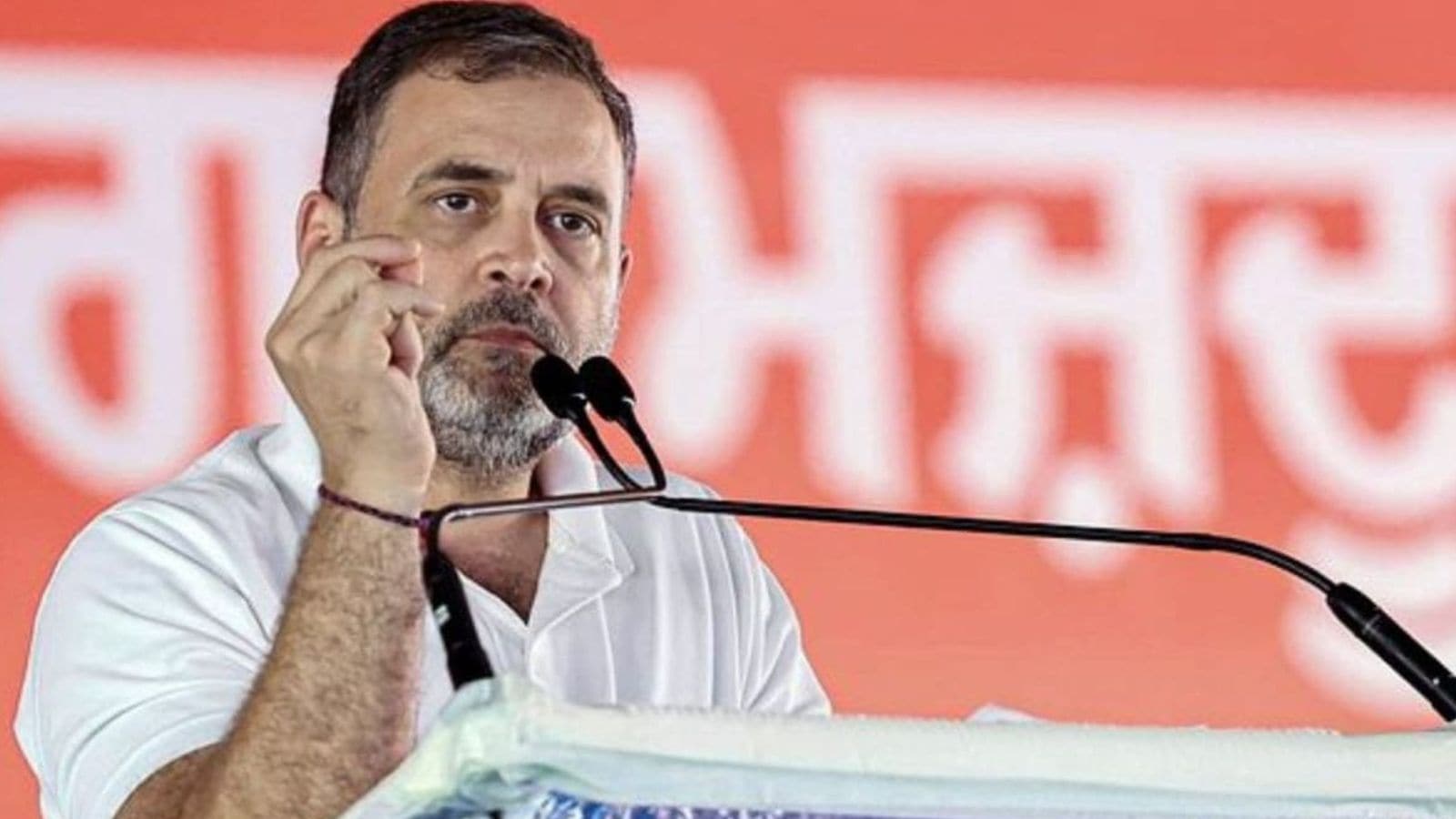
During his visit to Uttar Dinajpur, Rahul Gandhi addressed a large crowd as part of his ongoing political journey across the country. He focused his speech on the daily struggles of the common people, such as the high cost of living and the lack of jobs. However, the most talked-about part of his speech was his direct attack on the Trinamool Congress. He told the audience that while the BJP works for a few rich businessmen at the national level, the TMC operates through a system of "syndicates" and "cut money" at the local level. He argued that the people of Bengal are being squeezed from both sides and deserve a government that is honest and transparent.
Important Numbers and Facts
The event took place in a region that has historically been a stronghold for the Congress party, though its influence has weakened in recent years. Rahul Gandhi pointed out that thousands of young people in Bengal are forced to leave the state to find work because the local economy is failing. He also mentioned that the central government has blocked funds for various welfare schemes, but added that even when money is available, it does not reach the poor because of local corruption. The speech lasted for over thirty minutes and was attended by thousands of local supporters and party workers who have been asking for a clearer stance against the TMC.
Background and Context
To understand why this speech is so important, one must look at the current political situation in India. Several opposition parties, including the Congress and the TMC, formed a group called the INDIA bloc to challenge the BJP in the upcoming elections. However, in West Bengal, the TMC and the Congress have a long history of being rivals. Mamata Banerjee, the leader of the TMC, has often said that her party can defeat the BJP on its own without help from the Congress. On the other hand, Congress workers in Bengal have complained that the TMC treats them poorly and uses the police to stop their activities. This tension has made it very hard for the two parties to agree on how to share seats for the elections.
Public or Industry Reaction
The reaction to Rahul Gandhi’s comments was immediate. Local TMC leaders expressed their anger, saying that the Congress is acting like the "B-team" of the BJP by attacking a fellow opposition party. They argued that Mamata Banerjee is the only leader truly fighting against the central government’s policies. Meanwhile, the BJP used the opportunity to mock the opposition alliance, saying that the "INDIA bloc" is falling apart because the partners do not trust each other. Political experts believe that Gandhi’s speech was necessary to boost the morale of Congress workers who felt ignored by the national leadership’s attempts to stay friendly with the TMC.
What This Means Going Forward
Looking ahead, this development suggests that the fight for votes in West Bengal will be a three-way battle in many areas. The Congress is likely to focus more on its traditional areas in North Bengal, where it still has some support. This could lead to a split in the votes that usually go against the BJP, which might end up helping the BJP in some seats. For the national alliance, this means that the dream of a united front against the ruling party is facing a very tough reality check. The next few weeks will show if the Congress and TMC can find a way to stop attacking each other or if they will continue to fight as enemies on the ground.
Final Take
Rahul Gandhi’s bold stance in Uttar Dinajpur shows that political survival often comes before national alliances. By calling out the TMC on its home turf, he has chosen to protect his party’s identity in Bengal rather than keeping a fragile peace with an ally. While this might make the national fight against the BJP more complicated, it provides a clear choice for voters who are unhappy with both the state and central governments. The success of this strategy will depend on whether the Congress can turn this tough talk into actual votes when the election begins.
Frequently Asked Questions
Why did Rahul Gandhi attack the TMC?
He attacked the TMC because local Congress workers feel the party is corrupt and treats them as rivals. He wanted to show that the Congress is a separate choice for voters who dislike both the BJP and the TMC.
What is the "syndicate" system he mentioned?
In West Bengal, the term "syndicate" is often used to describe groups that allegedly control local businesses and construction, often demanding extra money or "cut money" from people and projects.
Will this affect the national opposition alliance?
Yes, it makes the alliance much weaker in West Bengal. It shows that the parties are struggling to agree on a common plan and are still fighting each other at the state level.



