
Summary
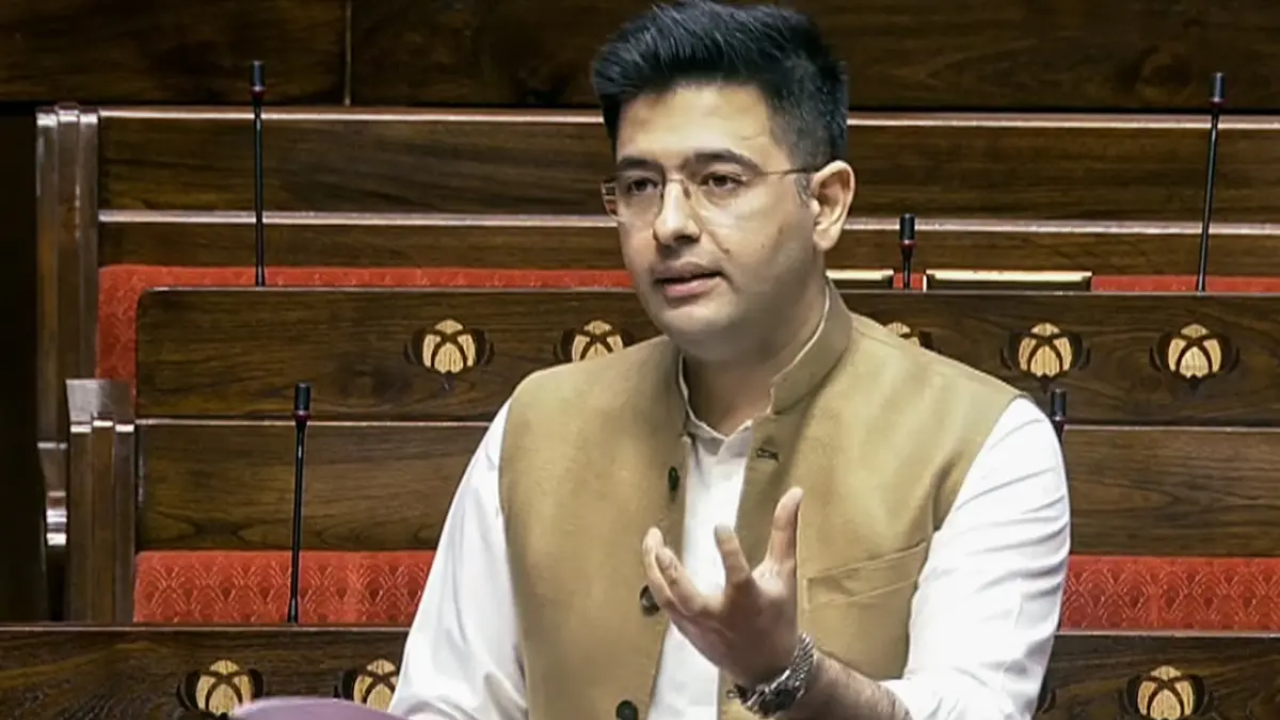
Raghav Chadha, a well-known member of the Aam Aadmi Party (AAP), recently made a powerful statement in the Rajya Sabha. During a session in the upper house of Parliament, Chadha spoke about the absence of his party's top leader, Arvind Kejriwal. His comments were seen as a direct message about the current political situation in India. This event matters because it highlights the ongoing tension between the opposition and the central government regarding legal actions against political figures.
Main Impact
The main impact of Raghav Chadha’s speech is the renewed focus on the legal troubles of the Aam Aadmi Party. By making these remarks on the floor of the Rajya Sabha, Chadha ensured that the absence of Arvind Kejriwal became a part of the official record. This move was intended to show that the party feels it is being treated unfairly. It also serves to rally support from the public by portraying the party leader as a victim of political timing. The speech has sparked a fresh debate about the use of federal agencies against elected officials.
Key Details
What Happened
During a scheduled debate in the Rajya Sabha, Raghav Chadha stood up to address the house. While discussing the issues at hand, he paused to make a personal and political observation. He noted that while other parties had their leaders present to guide them and participate in the democratic process, his own leader was not there. He did not need to say the name "Arvind Kejriwal" for everyone to understand who he was talking about. The room became quiet as he pointed out the empty space where his leader would normally be represented.
Chadha’s tone was serious and firm. He used his time to argue that the democratic process feels incomplete when leaders of major political groups are kept away from their duties. He suggested that the absence was not a choice made by the party, but a situation forced upon them by outside powers. This "veiled dig" was aimed at the central government and the agencies that carried out the arrest of the Delhi Chief Minister.
Important Numbers and Facts
The context of this speech involves several key facts. Arvind Kejriwal was arrested by the Enforcement Directorate (ED) in connection with the Delhi Excise Policy case. This made him the first sitting Chief Minister in Indian history to be taken into custody while still holding office. The case involves allegations of corruption and money laundering related to how liquor licenses were handed out in the capital city. The AAP has consistently denied these claims, stating that not a single rupee of illegal money has been found despite hundreds of raids by officials.
Background and Context
To understand why this moment was so significant, one must look at the history of the Aam Aadmi Party. The AAP started as an anti-corruption movement and quickly grew into a major political force in Delhi and Punjab. However, over the last few years, several of its top leaders have faced legal challenges. Before Kejriwal, other high-ranking members like Manish Sisodia and Satyendar Jain were also sent to jail. This has left the party in a difficult position, as many of its most experienced voices are currently unable to participate in daily governance or political campaigning.
The Rajya Sabha is a place where states and parties voice their concerns at a national level. For a young leader like Raghav Chadha, using this platform is a way to keep the party’s message alive while its main face is behind bars. The ongoing conflict between the AAP-led Delhi government and the central government has been one of the biggest stories in Indian politics for nearly a decade. This latest event is just one chapter in a much larger struggle for political control in the capital.
Public or Industry Reaction
The reaction to Chadha’s speech was split along political lines. Supporters of the Aam Aadmi Party praised him for his bravery. They shared clips of the speech on social media, using it to argue that the government is trying to silence the opposition. Many people felt that his words were a touching tribute to his mentor and a strong defense of his party’s values. They see the arrest as a way to stop the party from campaigning effectively in upcoming elections.
On the other hand, members of the ruling party and their supporters dismissed the comments. They argued that the law is simply taking its course and that no one is above the legal system, regardless of their political position. They accused Chadha of trying to gain sympathy and distract from the actual allegations of corruption. Some critics in the house suggested that the Rajya Sabha should be used for policy discussions rather than party grievances.
What This Means Going Forward
Looking ahead, the AAP faces a tough road. Without their main leader present, other members like Raghav Chadha and Atishi will have to take on more responsibility. The party must prove that it can function and win elections even when its top leaders are in legal trouble. This speech in the Rajya Sabha is a sign that the party does not plan to stay quiet. They will likely continue to use every available public forum to protest the actions taken against them.
The legal battle will also continue in the courts. The outcome of the Excise Policy case will have a huge impact on the future of the party. If the leaders are cleared, it will be a massive political victory for them. If the cases drag on, the party will have to find a new way to manage its image and its work for the people of Delhi and Punjab. The next few months will be a major test of the party's strength and unity.
Final Take
Raghav Chadha’s remarks serve as a reminder of how intense the political climate has become. By speaking up for his absent leader, he highlighted the deep divide between the government and the opposition. While the legal system will eventually decide the facts of the case, the battle for public opinion is happening right now in places like the Rajya Sabha. The AAP is clearly determined to keep its cause in the spotlight, making sure that the absence of its leader is felt by everyone in the room.
Frequently Asked Questions
Why was Arvind Kejriwal not in the Rajya Sabha?
Arvind Kejriwal is the Chief Minister of Delhi and the leader of the AAP, but he was not in the Rajya Sabha because he was in legal custody. He was arrested by federal agencies in relation to a case involving the city's liquor policy.
What did Raghav Chadha mean by his "veiled dig"?
He was pointing out that while other parties have their leaders present to guide them, his leader was taken away by the government's legal actions. It was a way of saying that the government is intentionally weakening his party.
What is the Delhi Excise Policy case about?
It is a legal investigation into claims that the Delhi government changed its rules for selling alcohol to benefit certain businesses. The government claims these changes were made to increase revenue, but investigators allege that illegal payments were involved.



