
Summary
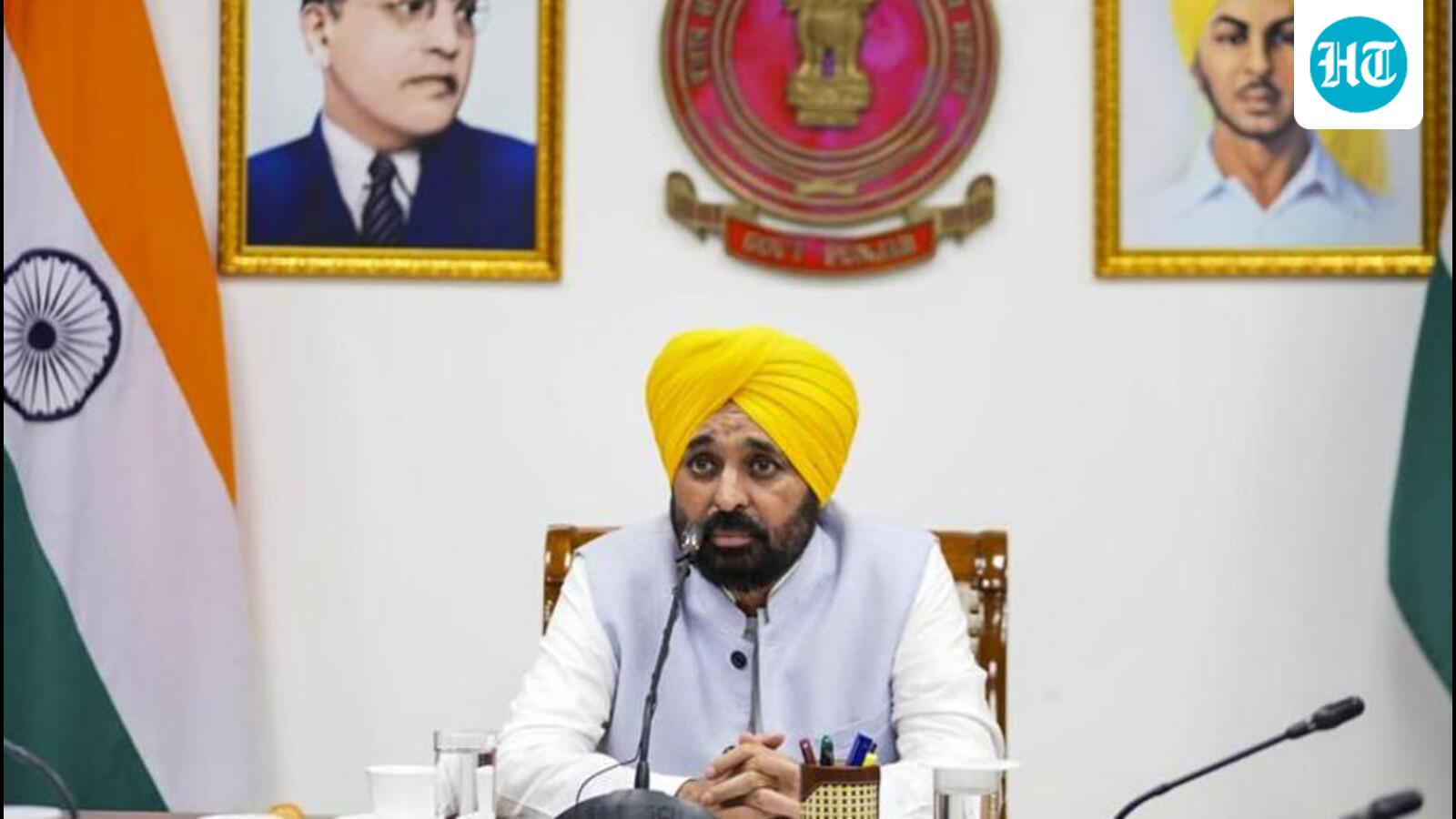
Punjab Chief Minister Bhagwant Mann has officially moved forward with a strict new law aimed at protecting religious sentiments. The state government has sent the Anti-sacrilege Bill to Governor Gulab Chand Kataria for his final approval. This bill proposes a life sentence for anyone found guilty of disrespecting or damaging holy books. This move is a major step in the government’s promise to deal harshly with religious crimes that have caused significant tension in the state for years.
Main Impact
The primary impact of this bill is the introduction of much tougher penalties for crimes related to religious desecration. Currently, the punishments for such acts are seen by many as too light to stop repeat offenders. By making life imprisonment the standard punishment, the Punjab government hopes to create a strong warning against such acts. This decision is expected to have a deep impact on the legal system in Punjab and how religious crimes are handled in the future. It also aims to bring a sense of justice to communities that have felt hurt by past incidents where holy books were disrespected.
Key Details
What Happened
The situation became a topic of public debate after a disagreement between the Chief Minister and the Governor. On April 16, 2026, Governor Gulab Chand Kataria told the media that his office did not have any pending files regarding the Anti-sacrilege Bill. This caused confusion, as the public expected the bill to be under review. However, just one day later, Chief Minister Bhagwant Mann clarified the situation. He confirmed that the bill had indeed been submitted to the Governor’s office for his signature. This confirmation was meant to clear up any doubts and show that the state government is moving as fast as possible to make the bill a law.
Important Numbers and Facts
The bill focuses on the protection of four major holy books: the Guru Granth Sahib, the Srimad Bhagavad Gita, the Holy Quran, and the Holy Bible. Under the proposed law, the punishment for damaging or disrespecting these books would be life imprisonment. This is a significant change from previous legal standards. The bill is a revised version of earlier attempts made by the Punjab Assembly to pass similar laws. In the past, such bills were sent back by the central government or faced delays because they only focused on one religion. The current version is more inclusive, covering the holy books of multiple faiths to ensure it treats all major religions with the same level of protection.
Background and Context
To understand why this bill is so important, one must look at the history of Punjab over the last ten years. The state has dealt with several high-profile cases where holy books were damaged or left in disrespectful places. These events often led to massive protests, road blocks, and even clashes between the public and the police. For the people of Punjab, the Guru Granth Sahib is not just a book but a living guide, and any harm to it is felt deeply by the entire community. Because of this, sacrilege has become one of the most sensitive political and social issues in the state. During the last election, the current government promised that they would pass a law to ensure that anyone who commits such a crime never gets out of jail easily.
Public or Industry Reaction
The reaction to the Chief Minister’s announcement has been mixed but mostly supportive from religious groups. Many Sikh organizations have welcomed the move, saying that a life sentence is a fair punishment for such a serious crime. They believe that the current laws do not do enough to protect their faith. On the other hand, some legal experts have raised questions. They worry that the term "desecration" needs to be very clearly defined so that the law is not used unfairly against people by mistake. Opposition political parties have also commented on the timing of the bill. While they generally support the idea of protecting holy books, they have accused the government of using the issue to gain popularity during a time of political tension with the Governor.
What This Means Going Forward
The next step depends entirely on Governor Gulab Chand Kataria. He has a few choices. He can sign the bill, which would immediately turn it into a law in Punjab. He could also send it back to the state government with questions or suggestions for changes. Another possibility is that he could send it to the President of India for further review, as the bill involves changes to criminal laws that might need approval from the central government. If the bill is delayed again, it could lead to more protests from religious groups who are waiting for strict action. The relationship between the Chief Minister and the Governor will also be watched closely, as their public disagreement shows a lack of smooth communication between their offices.
Final Take
The push for the Anti-sacrilege Bill shows how much the Punjab government values religious peace and the feelings of its citizens. By proposing life imprisonment, they are sending a clear message that religious disrespect will not be tolerated. While the legal journey of this bill is not yet over, the move marks a significant moment in Punjab’s effort to heal from the pain of past incidents and prevent new ones from happening.
Frequently Asked Questions
What is the main goal of the Anti-sacrilege Bill?
The main goal is to stop people from disrespecting or damaging holy books by introducing a very strict punishment of life imprisonment.
Which holy books are covered under this new law?
The law covers the Guru Granth Sahib, the Srimad Bhagavad Gita, the Holy Quran, and the Holy Bible.
Why was there a dispute between the CM and the Governor?
The Governor claimed he did not have the file for the bill, but the Chief Minister later confirmed that the bill had been sent to the Governor's office for approval.



