Summary
A cultural program at a government hostel in Pune has led to a major investigation by intelligence agencies. During an event to honor Dr. Babasaheb Ambedkar, a group of tribal students danced to a song linked to a known Maoist leader. This performance has raised concerns about "urban Naxal" influence within city schools and hostels. While the students claim the song was chosen by accident from a social media playlist, authorities are looking deeper into the matter to see if there is a hidden agenda.
Main Impact
The main impact of this incident is a renewed focus on security and political activity in student living spaces. Maharashtra’s intelligence teams are now searching for what they call the "roots" of radical ideas in Pune. This event has also put a spotlight on students from areas like Gadchiroli, who move to big cities for education. The government is now worried that even though some forest areas are declared free of rebels, the ideology might be spreading through music and cultural events in urban centers.
Key Details
What Happened
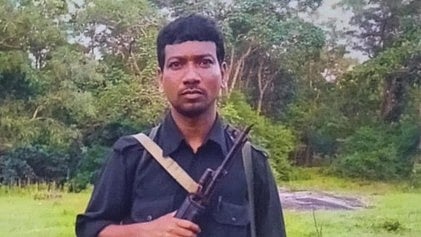
The event took place at the Bharat Ratna Dr. Babasaheb Ambedkar Government Hostel in the Vishrantwadi area of Pune. Between April 6 and April 14, students organized various sports and cultural activities to celebrate Ambedkar Jayanti. During one of these performances, a video was recorded showing students in traditional tribal clothing dancing in front of posters that said "Save Trees." The music playing in the background was a song titled "O re bandook wale," which is associated with Madvi Hidma, a Maoist commander who was killed in the past.
The video quickly went viral on social media, catching the attention of political leaders and the police. Many people began to ask why a song about a rebel leader was played during a celebration for a national icon like Dr. Ambedkar. The hostel is managed by the state's social welfare department, and officials are now trying to find out who exactly picked the track and why it was allowed to play during a public event.
Important Numbers and Facts
The hostel involved is a large facility that houses around 1,000 students across seven different buildings. About 85 percent of these students come from Scheduled Caste backgrounds, while the rest belong to other groups. Many of the students who participated in the dance are originally from the Gadchiroli district. This is significant because Gadchiroli was once a major center for Maoist activity, though the government recently labeled the state as "Naxal-free." The fact that the song was chosen just 10 minutes before the performance from a YouTube playlist is a key part of the current investigation.
Background and Context
To understand why this is a big deal, it is important to know what "urban Naxalism" means in this context. The government uses this term to describe people living in cities who they believe support or spread the ideas of Maoist rebels. Maoists are groups that have fought against the Indian government for decades, mostly in forest areas. Pune has been a sensitive spot for these types of investigations in the past, especially following the Elgar Parishad event years ago.
This specific incident is surprising because the state government recently announced that the threat from these rebel groups had been removed. Seeing a song that praises a Maoist leader being played at a government-run hostel contradicts the idea that the influence of these groups is gone. It creates a difficult situation for the students, many of whom are in the city simply to get a better education and escape the poverty of their home districts.
Public or Industry Reaction
The reaction to the dance has been very strong. Leaders from the BJP have openly criticized the event. They have asked why songs about Chhatrapati Shivaji or Dr. Ambedkar were not used instead. BJP leader Medha Kulkarni and activist Tushar Damgude have both called for a full police inquiry. They want to know if someone from outside the hostel influenced the students to pick that specific song.
On the other side, the Social Welfare Department has tried to calm the situation. Vishal Lodhe, an assistant commissioner, spoke with the students and reported that they seemed innocent. He explained that the students did not know the history of the song or who Madvi Hidma was. According to his report, they liked the beat of the music and thought it fit their tribal dance theme. He admitted that the students did not get official permission for the specific playlist, but he believes it was an honest mistake rather than a planned political statement.
What This Means Going Forward
Moving forward, life at government hostels in Pune is likely to change. Authorities have already stated that they will take extra precautions to make sure this does not happen again. This could mean that all songs, plays, and speeches at student events will need to be checked and approved by officials before they can be shared. There is also a risk that students from certain districts may face more questioning or suspicion because of where they come from.
The police and intelligence agencies are continuing to look into the digital trail of the YouTube playlist. They want to see if the song was suggested by an algorithm or if a specific person searched for it. This investigation will likely keep the "urban Naxal" debate alive in Maharashtra politics for some time. It also serves as a warning to educational institutions to be more careful about the content used in student-led programs.
Final Take
This situation shows how easily a simple cultural dance can turn into a national security concern. While the students claim they were just looking for catchy music for their performance, the historical weight of the song has triggered a massive response from the state. It highlights the tension between the government's desire to keep cities safe from radical ideas and the everyday lives of students who are often caught in the middle of political battles. The outcome of the police investigation will determine if this was just a digital accident or something more serious.
Frequently Asked Questions
Who was Madvi Hidma?
Madvi Hidma was a high-ranking commander of the Maoist rebels. He was a key figure in the movement for many years before he was killed. Songs about him are often seen as a way to praise the rebel cause.
Why are the students being investigated?
The students are being investigated because they danced to a song that glorifies a Maoist leader. Authorities want to know if the students were being used by outside groups to spread radical ideas in the city.
What did the hostel officials say about the incident?
Hostel officials said the students were likely unaware of the song's meaning. They claimed the students picked the track from YouTube just minutes before the show because they liked the music for their tribal dance.