
Summary
The Congress party has raised serious allegations of corruption against the current government in Puducherry. Leaders claim that a "30% commission" system is now common for all public work projects in the region. Alongside these bribery charges, the party is also demanding answers about why Puducherry has not yet been granted full statehood. These accusations have sparked a fresh political debate about how the Union Territory is being managed and who is truly in control of its future.
Main Impact
The primary impact of these allegations is a growing sense of public distrust in the local administration. By claiming that nearly one-third of project budgets are being taken as bribes, the Congress party is suggesting that taxpayer money is being wasted. This situation affects the quality of roads, buildings, and other public services. Additionally, the focus on statehood highlights a long-standing frustration among residents who feel that their elected local leaders do not have enough power to make independent decisions without interference from the central government.
Key Details
What Happened
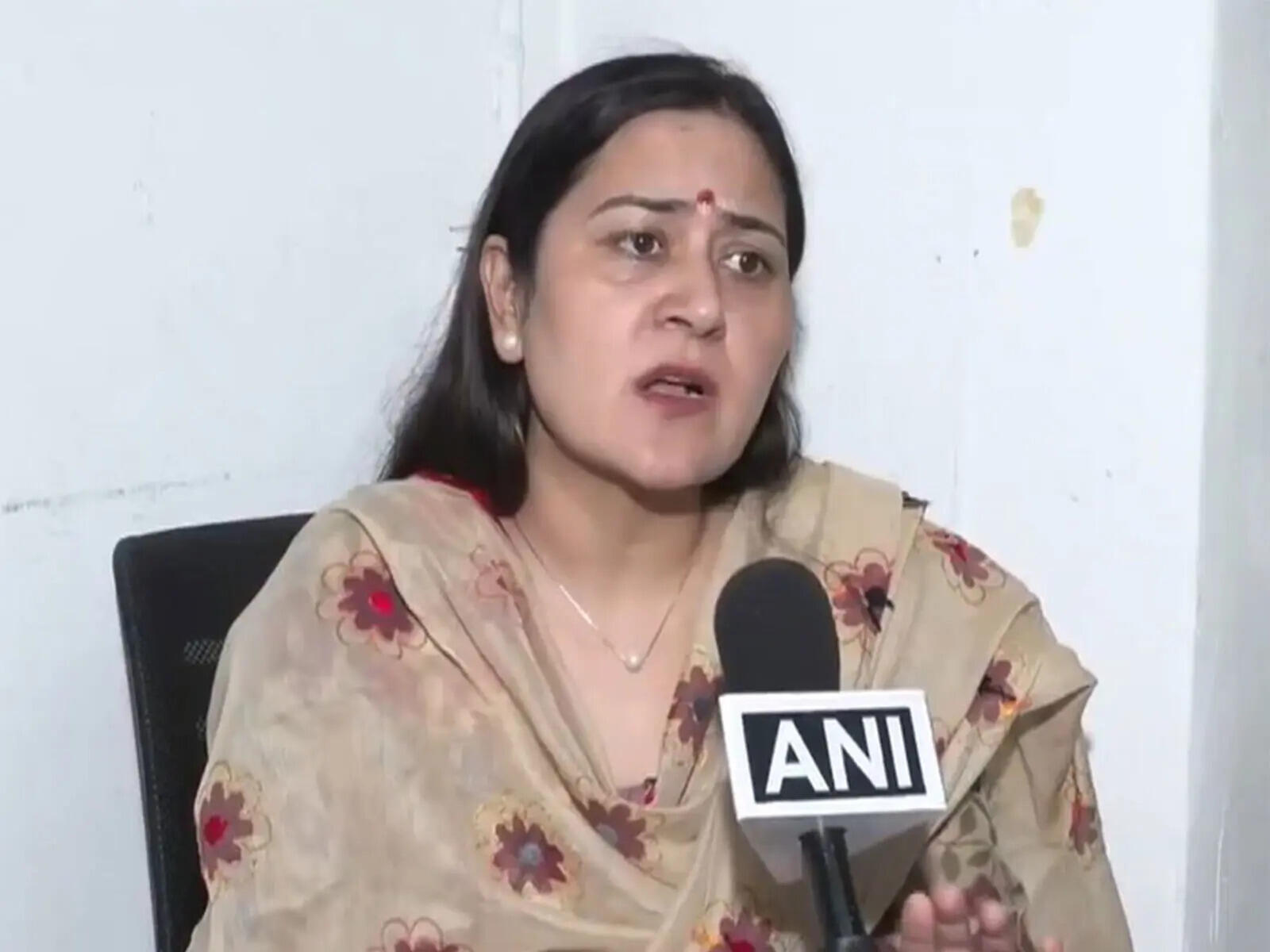
During a recent political gathering, Congress leaders spoke out against the ruling government in Puducherry. They stated that corruption has become a standard part of doing business with the state. According to their claims, contractors and builders are forced to pay a 30% fee to officials just to get their projects approved or finished. This "commission" culture is being blamed for the slow pace of development and the poor state of local infrastructure.
At the same time, the party turned its attention to the central government. They pointed out that for many years, various political groups have promised to make Puducherry a full state. However, these promises have not been kept. Congress is now using this delay to argue that the central government wants to keep Puducherry as a Union Territory so it can maintain direct control over its land and finances.
Important Numbers and Facts
The "30% commission" figure is the central point of the current protest. While this specific number is an allegation, it mirrors similar political battles seen in other parts of India. In terms of statehood, Puducherry has been a Union Territory since it became part of India. Unlike a full state, a Union Territory often has a Lieutenant Governor who is appointed by the President of India. This official often has more power than the local Chief Minister, which is a major point of conflict for the Congress party and its allies.
Background and Context
To understand why this matters, it is important to know the difference between a State and a Union Territory in India. A State has its own government with a lot of power over its own laws, police, and money. A Union Territory is managed more closely by the central government in New Delhi. For decades, people in Puducherry have asked for statehood so they can have more control over their own lives.
The Congress party has historically supported the idea of statehood. By bringing up corruption and statehood at the same time, they are trying to show that the current system is not working. They argue that without the freedom of being a full state, the local government is more likely to be influenced by outside interests and less likely to be held accountable by the local voters.
Public or Industry Reaction
The reaction to these claims has been divided. Supporters of the Congress party and other opposition groups have started to hold protests, demanding a full investigation into the bribery charges. They want to see where the public money is actually going. On the other hand, members of the ruling government have dismissed these claims as political theater. They argue that the Congress party is only making these accusations to gain votes before the next election.
Local business owners and contractors have remained mostly quiet, but many residents express frustration on social media. People are worried that if 30% of the money for a new bridge or school is taken as a bribe, the final structure will be unsafe or will not last very long. The delay in statehood also remains a sensitive topic for many who feel like "second-class citizens" compared to those living in full states like Tamil Nadu or Kerala.
What This Means Going Forward
In the coming months, we can expect more political tension in Puducherry. The Congress party is likely to use the "30% commission" slogan in its upcoming campaigns to paint the current government as dishonest. If these allegations lead to a formal investigation, it could result in legal trouble for some officials. However, if no proof is found, it may be seen as just another political attack.
Regarding statehood, the pressure on the central government will continue to grow. As more local parties join the demand for full statehood, it will become harder for the central government to ignore the issue. The next steps will likely involve more debates in the local assembly and perhaps even discussions in the national parliament in New Delhi. The outcome will decide whether Puducherry stays under central control or finally gets the power to govern itself fully.
Final Take
The fight over corruption and statehood in Puducherry is about more than just money; it is about who holds the power to shape the region's future. While the "30% commission" claims are serious and need to be proven, they highlight a deep need for better transparency in how public projects are handled. At the same time, the demand for statehood shows that the people of Puducherry are tired of waiting for the right to manage their own affairs. True progress will only happen when the government is both honest with its money and respectful of the local people's desire for self-rule.
Frequently Asked Questions
What is the "30% commission" allegation?
It is a claim made by the Congress party that government officials in Puducherry demand a 30% bribe from contractors for every public project that gets approved.
Why does Puducherry want to become a full state?
Being a full state would give Puducherry more power to make its own laws, control its own police force, and manage its budget without needing constant approval from the central government in New Delhi.
Who is currently in charge of Puducherry?
Puducherry is a Union Territory with an elected local government and a Chief Minister, but it also has a Lieutenant Governor appointed by the President of India who holds significant power.



