
Summary
Artist and writer Savia Viegas recently spoke about the urgent need to protect Goa’s cultural identity. During a talk at the Museum of Goa, she explained that the state is at risk of losing its history if people do not preserve oral stories and women’s experiences. By reconnecting with their roots, Goans can ensure that their unique traditions are not replaced by outside influences. This effort is necessary to keep the community’s memory alive for future generations.
Main Impact
The primary concern raised by Viegas is the slow disappearance of local meaning. When a community stops telling its own stories, it begins to lose its sense of self. In Goa, local practices are often pushed aside by stories from the outside world. This shift makes it harder for people to understand where they come from and what their traditions truly represent. By focusing on women's narratives, Viegas highlights a part of history that is often ignored but holds the key to a deeper cultural understanding.
Key Details
What Happened
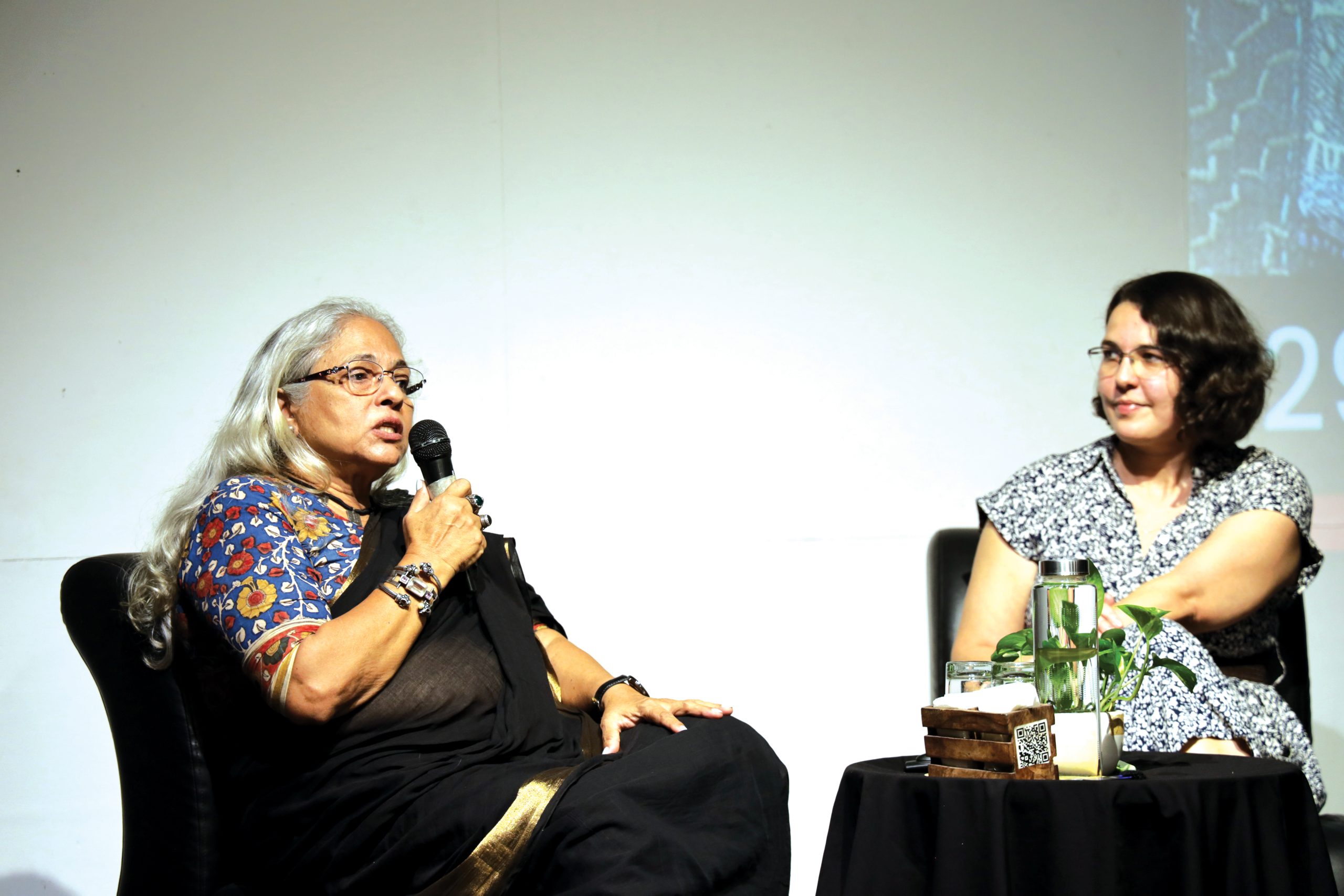
The discussion took place during a "MOG Sunday" session at the Museum of Goa, located in Pilerne. Savia Viegas shared her thoughts on how storytelling and art can help save a culture. She also spoke about her specific art exhibition titled "Love Tales." This project uses embroidery on old denim fabric to tell stories of desire, closeness, and longing. By using art, she hopes to bridge the gap between the past and the present.
Important Numbers and Facts
The exhibition features upcycled denim, a material chosen for its specific history. While many people think of denim as a modern Western fabric, it has roots in India. Viegas uses this material to show how personal history and global identity can exist together. The talk also highlighted the growing gap between long-term residents of Goa and people who have moved to the state more recently. This social change makes the preservation of local history even more important today than it was in the past.
Background and Context
Oral history refers to the stories, traditions, and memories that people pass down by speaking rather than writing them in books. In many cultures, women have been the primary keepers of these stories. However, as lifestyles change and people move away from their home villages, these spoken records are often forgotten. In Goa, the rapid pace of development and tourism has brought many new influences. While growth is common, it can sometimes lead to the "erosion" or wearing away of local customs. Viegas argues that without a strong effort to remember, the true spirit of Goa might be replaced by a version that is made only for visitors.
Public or Industry Reaction
The Museum of Goa has become a central place for these types of cultural conversations. Attendees and local art followers have shown a growing interest in how traditional crafts, like embroidery, can be used to talk about modern issues. There is a shared feeling among local historians that Goa’s identity is currently at a crossroads. Many agree with Viegas that cultural institutions need to do more than just show art; they must act as spaces where different generations can meet and talk about their shared heritage.
What This Means Going Forward
To keep Goa’s culture strong, several steps are needed. First, there must be a focus on younger people. If the youth do not find value in these stories, the traditions will die out. Second, the state needs more civic spaces where people from all backgrounds can gather and share their experiences. This helps reduce the divide between old and new residents. Finally, there is a call for better support for cultural institutions that document oral histories. The goal is to move from simply remembering the past to actively using those stories to shape the future of the community.
Final Take
Culture is not just about old buildings or festivals; it lives in the stories people tell each other. Savia Viegas reminds us that women’s voices and local memories are the foundation of a community. If these voices are silenced or forgotten, the heart of the culture goes with them. Taking pride in local roots is the best way to ensure that Goa remains a place with a unique and meaningful identity.
Frequently Asked Questions
Who is Savia Viegas?
Savia Viegas is a well-known artist and writer who focuses on Goan history, culture, and the lives of women through her work and research.
What is the "Love Tales" exhibition about?
It is an art project that uses embroidery on reused denim fabric to explore themes of human emotion, personal history, and how local identity fits into a global world.
Why is oral history important for Goa?
Oral history captures the unique traditions and personal experiences that are not found in official history books. It helps keep the community's true identity alive during times of rapid change.



