
Summary
Congress leader Priyanka Gandhi Vadra has publicly criticized Prime Minister Narendra Modi for his recent comments regarding the conflict in West Asia. She argued that it is wrong to use a war situation for political points and called for the government to share a clear plan for protecting Indian citizens. The dispute began after the Prime Minister accused the opposition of making statements that could put Indians living abroad in danger. Priyanka Gandhi is now pushing for a formal discussion in Parliament to address the safety of the Indian diaspora and the rising costs of fuel and gas.
Main Impact
The tension between the ruling party and the opposition has reached a new high as the conflict in the Gulf region grows more serious. This disagreement is not just about words; it affects how India handles its foreign policy and protects millions of its citizens working in West Asia. By demanding a parliamentary debate, the Congress party is trying to force the government to be more open about its strategy. This move highlights the growing public concern over how international wars can lead to higher prices for daily necessities like cooking gas and petrol back home in India.
Key Details
What Happened
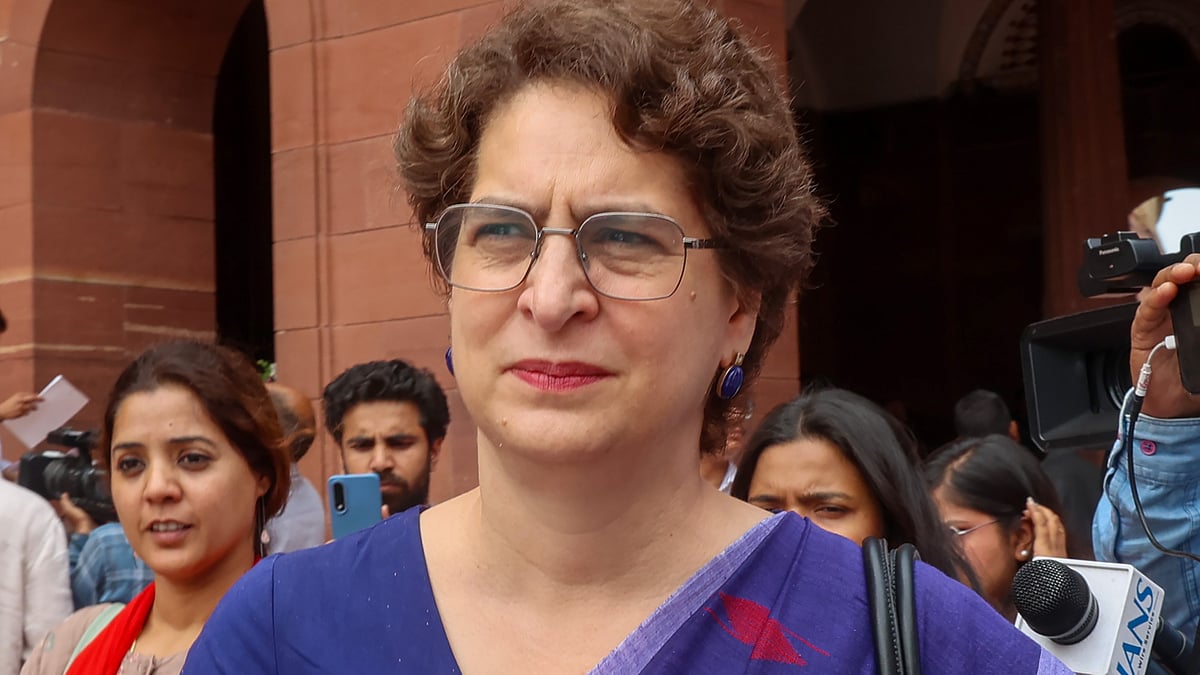
The exchange of words took place at the Parliament House complex, where Priyanka Gandhi spoke to reporters. She was responding to a speech made by Prime Minister Modi in Kerala a day earlier. In that speech, the Prime Minister claimed that the Congress party was making "dangerous" remarks that could hurt the interests of Indians in the Gulf. Priyanka Gandhi hit back by saying that the government should focus on saving lives rather than attacking the opposition. She pointed out that with bombs falling in the conflict zone, the priority must be a clear evacuation and safety plan.
Important Numbers and Facts
India has a massive population of citizens living and working in Gulf countries, often estimated at over 8 million people. These workers send back billions of dollars every year, which is vital for the Indian economy. During her talk, Priyanka Gandhi specifically mentioned the rising price of gas cylinders, noting that they have become too expensive for many families to afford. She also warned of potential shortages of petrol and diesel if the conflict continues to escalate. The Congress leader emphasized that while the country stands united during a crisis, the government must provide real solutions to these economic and safety challenges.
Background and Context
The West Asia region, often called the Middle East, is a critical area for India. It is the primary source of the country’s crude oil and gas imports. Any instability there usually leads to a jump in global oil prices, which quickly results in higher transport and food costs in India. Furthermore, the safety of the Indian diaspora is a major political issue. In the past, India has carried out large-scale rescue missions to bring its citizens home from war zones. The current debate centers on whether the government is doing enough to prepare for such a situation now and whether it is being transparent with the public about the risks involved.
Public or Industry Reaction
The Prime Minister has stated that he is in regular contact with leaders from the countries involved in the conflict. He assured the public that Indian embassies are working 24 hours a day to help anyone in need. However, the opposition argues that these brief statements are not enough. Industry experts are also watching the situation closely, as a prolonged war could disrupt supply chains and lead to inflation. Many citizens are worried about the cost of living, especially as fuel prices directly impact the price of groceries and other essential items. The call for a parliamentary debate reflects a desire for more detailed information and a collective national response.
What This Means Going Forward
In the coming weeks, the pressure on the government to hold a full debate in Parliament will likely increase. If the conflict in West Asia does not calm down, the government will have to take concrete steps to stabilize fuel prices and ensure the safety of workers in the Gulf. We may see more updates from the Ministry of External Affairs regarding evacuation plans or travel advisories. Politically, this issue will remain a major talking point as both sides try to show the public that they are the best choice to lead the country through a global crisis. The focus will remain on whether the government can balance its international relations while protecting the pockets of ordinary Indian citizens.
Final Take
When lives are at stake and the economy is at risk, the focus should remain on clear action and national unity. While political leaders will always have different views, the safety of millions of Indians abroad and the financial health of families at home must come first. A transparent plan and a shared national strategy are the best ways to navigate the uncertainties of a global conflict. Moving forward, the government's ability to manage both the diplomatic challenges and the domestic economic fallout will be its biggest test.
Frequently Asked Questions
Why is the West Asia conflict important to India?
West Asia is home to millions of Indian workers and is the main source of India's oil and gas. Any war there can threaten the safety of these citizens and cause fuel prices to rise in India.
What is Priyanka Gandhi asking the government to do?
She is asking for a clear plan to protect Indians in the Gulf and a formal discussion in Parliament to find solutions for the rising costs of gas and fuel caused by the war.
How has the Prime Minister responded to the criticism?
Prime Minister Modi stated that the government is working constantly to ensure the safety of citizens and that he is in touch with international leaders to minimize the impact of the conflict.

