Summary
Congress leader KC Venugopal has officially filed a privilege notice against Prime Minister Narendra Modi. The notice was sent to the Lok Sabha Speaker following a recent speech the Prime Minister gave to the nation. The opposition claims that the Prime Minister made unfair and negative remarks about Members of Parliament (MPs), which they argue hurts the dignity of the legislative body. This move marks a significant escalation in the ongoing political battle between the government and the opposition parties.
Main Impact
The primary impact of this notice is the formal challenge to the Prime Minister’s public rhetoric. By filing a privilege notice, the Congress party is trying to hold the head of government accountable for words spoken outside of the Parliament building. If the Speaker accepts the notice, it could lead to a formal investigation by a parliamentary committee. This situation adds more pressure to the relationship between the ruling party and the opposition, making it harder for both sides to work together on future laws.
Key Details
What Happened
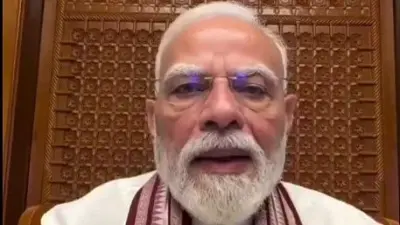
KC Venugopal, a senior leader in the Congress party, wrote a formal letter to the Speaker of the Lok Sabha. In this letter, he pointed out specific parts of the Prime Minister’s recent address to the country. The Congress party believes that the Prime Minister used his platform to "cast aspersions" on MPs. In simple terms, they believe he made statements that suggested MPs were not doing their jobs correctly or were acting against the interests of the country. The opposition argues that such comments lower the respect the public has for the Parliament.
Important Numbers and Facts
The notice was submitted on April 21, 2026. Under parliamentary rules, a privilege notice is a serious tool used only when a member feels that the rights or honors of the House have been violated. While hundreds of such notices are filed every year, very few are actually taken up for a full hearing. The Lok Sabha Speaker now holds the power to decide if the complaint has enough merit to move forward to the Privileges Committee.
Background and Context
To understand why this matters, one must understand "Parliamentary Privilege." These are special rights given to MPs so they can perform their duties without being blocked or threatened. These rights also protect the reputation of the Parliament as a whole. When someone—even the Prime Minister—is accused of attacking the character of the members, it is seen as a breach of these rules. In recent years, the political climate in India has become very tense. Both sides often use strong language, but the opposition feels that the Prime Minister’s latest speech went too far by targeting the entire body of lawmakers.
Public or Industry Reaction
The reaction to this news has been split along party lines. Members of the Congress party and their allies say this step is necessary to protect the democracy of the country. They argue that no one is above the rules of Parliament. On the other side, leaders from the ruling party have dismissed the notice. They claim it is a political tactic used to distract the public from the government's achievements. Political experts suggest that while the notice might not lead to a legal punishment, it serves as a strong message that the opposition will not stay silent when criticized in public speeches.
What This Means Going Forward
The next step depends entirely on the Lok Sabha Speaker. The Speaker will review the letter and the transcript of the Prime Minister’s speech. There are two main paths: the Speaker can reject the notice immediately, or they can refer it to the Committee of Privileges. If it goes to the committee, they will ask for explanations and may even call for a hearing. Regardless of the outcome, this event will likely lead to heated debates in the next session of Parliament. It also sets a precedent for how the opposition might respond to future national addresses by government leaders.
Final Take
This privilege notice is more than just a legal complaint; it is a sign of the deep divide in the current political system. By targeting the Prime Minister’s words, the opposition is trying to set a boundary on how the government talks about its critics. As the Speaker reviews the case, the public will be watching to see how the rules of the House are applied to the highest office in the land. This move ensures that the debate over political speech and parliamentary respect will remain a major topic in the coming months.
Frequently Asked Questions
What is a privilege notice?
A privilege notice is a formal complaint filed by a Member of Parliament when they believe the rights, dignity, or honor of the Parliament or its members have been disrespected or violated.
What does "casting aspersions" mean?
In this context, it means making negative or damaging remarks that hurt the reputation of someone. The Congress party claims the PM made such remarks about lawmakers.
Who decides what happens next?
The Speaker of the Lok Sabha has the final authority to decide whether the notice is valid and if it should be investigated further by a special committee.