
Summary
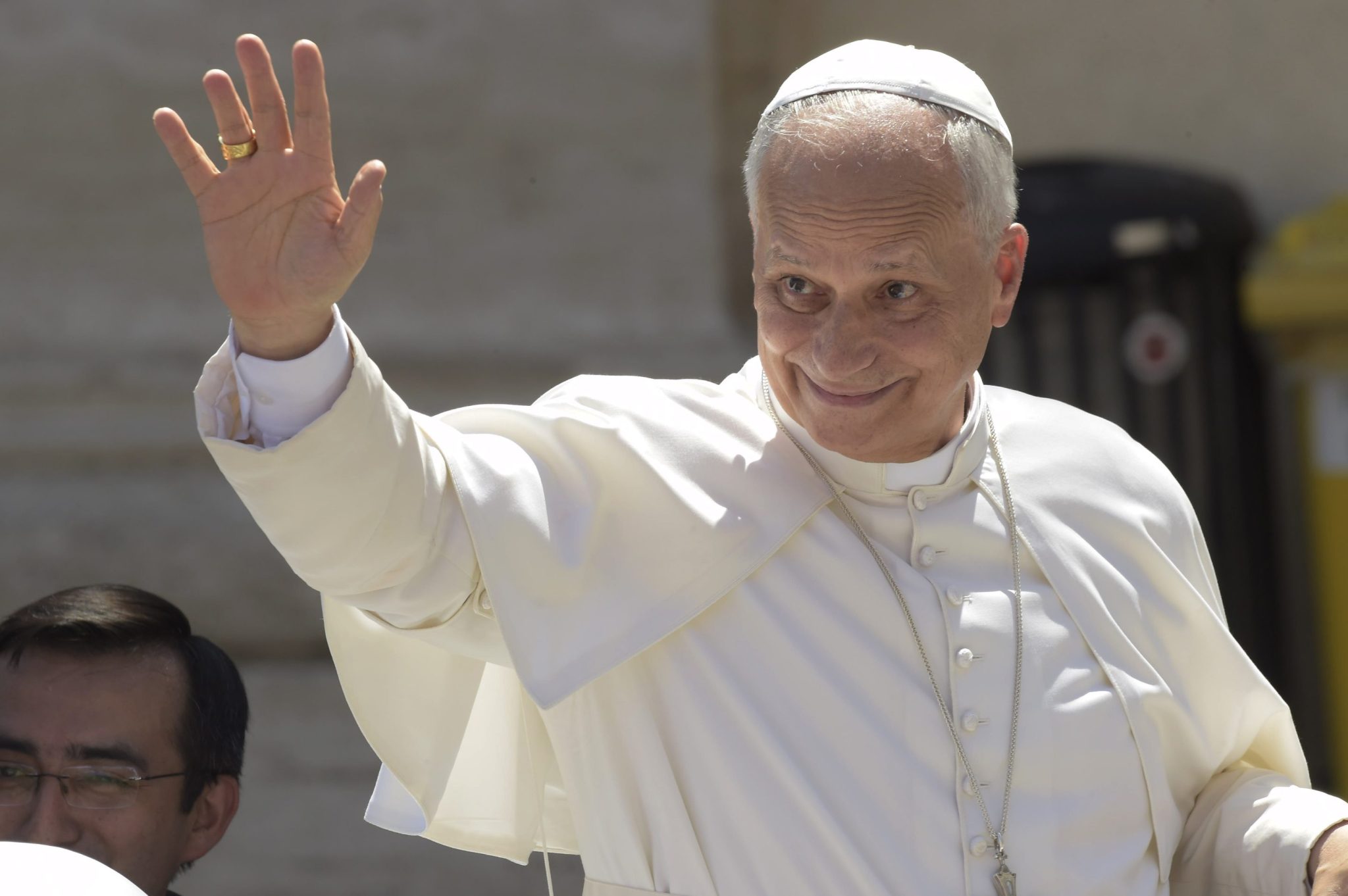
Pope Leo XIV has issued a strong warning about the growing gap between the ultra-wealthy and the working class. He specifically mentioned Elon Musk, who is currently on a path to becoming the world’s first trillionaire. The Pope suggested that if society continues to focus only on accumulating massive wealth, the world will face serious trouble. His comments come at a time when executive pay is reaching record levels while many average workers struggle to keep up with the cost of living.
Main Impact
The Pope’s message highlights a major shift in how global leaders view extreme wealth. By calling out one of the most famous business leaders in the world, the Pope is bringing attention to the moral side of economics. This critique suggests that the current way big companies pay their leaders is not sustainable. It also puts pressure on the world's richest people to think about their impact on society rather than just their bank accounts. This conversation could influence future debates on taxes, worker rights, and how much a single person should be allowed to earn.
Key Details
What Happened
In a recent interview with the Catholic news site Crux, Pope Leo XIV spoke about the state of the global economy. He expressed shock at how much the pay gap has grown over the last few decades. He noted that in the past, a top boss might earn four to six times more than a regular worker. Today, that difference has jumped to 600 times more. The Pope asked what it truly means for one person to own a trillion dollars and questioned if society has lost its way by valuing money above all else.
Important Numbers and Facts
The data behind these concerns is quite striking. In 2024, the average pay for a CEO at a large company was about $17.2 million. During that same time, the typical worker at those same companies earned around $35,570. This creates a pay ratio of 632 to 1. Additionally, while many people are dealing with high prices for food and housing, the wealth of billionaires grew three times faster in 2024 than it did the year before. Reports show that the top 1% of earners have added nearly $34 trillion to their wealth over the last ten years.
Background and Context
This discussion is happening because of a massive pay deal approved for Elon Musk at Tesla. The deal could eventually be worth $1 trillion if the company hits certain growth goals. While Musk is the most visible example, he is not alone. Other tech leaders, like Larry Ellison, have seen their wealth grow by tens of billions of dollars in a single day. At the same time, many of these billionaires have signed a promise called the Giving Pledge. This is a commitment to give away at least half of their money to charity. However, recent reports show that very few have actually finished giving that money away, and much of it is sitting in private accounts rather than helping people directly.
Public or Industry Reaction
The reaction to the Pope’s comments has been mixed. Many labor advocates and social groups agree with him, arguing that the current system is unfair to workers. They believe that such extreme wealth concentration hurts the economy for everyone else. On the other hand, some business leaders argue that high pay is necessary to keep talented people running successful companies. The organization behind the Giving Pledge also responded to criticisms about slow donations. They stated that the reports might be misleading and that their members are still committed to making a positive impact, even if it takes time to distribute the funds.
What This Means Going Forward
The Pope’s warning may lead to more calls for economic reform. As more people become aware of the massive pay gap, there could be more support for laws that limit executive bonuses or increase taxes on the ultra-rich. For companies like Tesla, this public criticism from a major religious leader could affect their reputation. In the long term, the focus will likely stay on whether the world’s first trillionaires will use their resources to solve global problems like poverty or if they will continue to focus on personal wealth. The tension between the working class and the elite is expected to remain a major topic in politics and business.
Final Take
The rise of the trillionaire class marks a new era in human history. Pope Leo XIV is reminding the world that money is a tool, not the ultimate goal of life. Whether or not the economy changes, his words serve as a call for more balance and fairness in how wealth is shared among the people who help create it.
Frequently Asked Questions
Why is the Pope concerned about Elon Musk?
The Pope is concerned that Musk becoming a trillionaire represents a massive gap between the rich and the poor. He believes that focusing only on such extreme wealth can lead to social and economic trouble for the rest of the world.
How much more do CEOs make than workers?
According to recent reports, CEOs at many large companies make about 600 to 632 times more than the average worker. This is a huge increase from 60 years ago, when the gap was much smaller.
What is the Giving Pledge?
The Giving Pledge is a commitment by some of the world's richest people to give away more than half of their wealth to charitable causes. However, critics say many signers are not giving the money away fast enough.



