
Summary
The government has announced a major plan to develop 3,000 acres of land for rubber plantations in the Polavaram region. This project is designed to help tribal communities find new ways to earn a living and improve their financial future. By planting rubber trees, officials hope to provide a steady source of income for thousands of families who live in the area. This move marks a shift toward long-term agricultural growth for the local tribal population.
Main Impact
The biggest impact of this project is the creation of a sustainable economy for tribal groups. For a long time, many families in the Polavaram area have relied on traditional farming, which often depends on the weather and provides limited profit. By switching to rubber, these farmers will have a high-value product that is always in demand. This change is expected to lift many families out of poverty and give them a more stable life for decades to come.
Key Details
What Happened
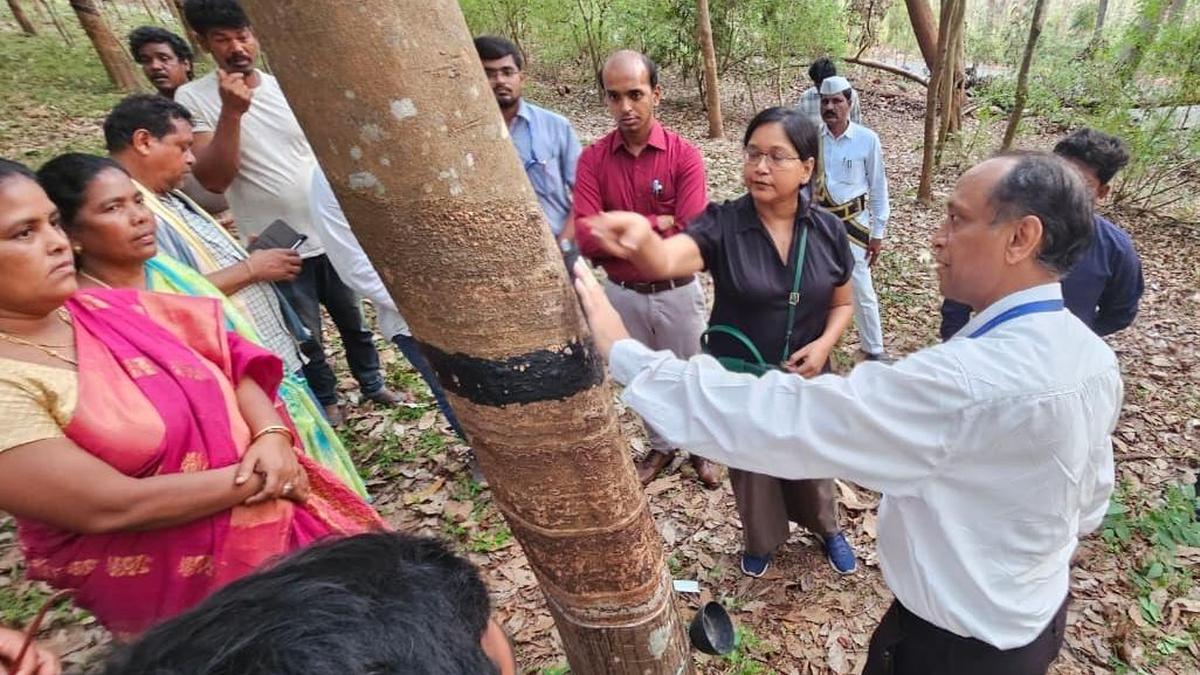
The Integrated Tribal Development Agency (ITDA) is leading this project in partnership with the Rubber Board. Together, they have identified 3,000 acres of land that are perfect for growing rubber trees. The government will provide the necessary resources, including young trees and technical training, to ensure the project succeeds. This effort is part of a larger goal to use available land in tribal areas more effectively.
Important Numbers and Facts
The project covers a total of 3,000 acres across various tribal settlements. Rubber trees usually take about seven years to grow before they can be harvested for their sap, which is called latex. Once the trees reach maturity, they can continue to produce latex for 25 to 30 years. This means that a single investment today can provide a source of money for an entire generation. Hundreds of tribal households are expected to participate in the first phase of the planting process.
Background and Context
Polavaram is a region often discussed because of its large-scale irrigation and dam projects. However, the people living in the surrounding hills and forests often face challenges in finding steady work. Rubber is an ideal crop for this area because the climate is warm and humid, which the trees need to grow well. In other parts of the country, rubber farming has already proven to be a successful way to help rural communities grow their wealth. By bringing this model to Polavaram, the government is using a proven method to help local people.
Public or Industry Reaction
Local tribal leaders have welcomed the news with hope. Many see this as a chance to move away from "podu" cultivation, which is a type of shifting farming that can sometimes be hard on the environment. Industry experts also believe this is a smart move. Since India needs a lot of natural rubber for making tires, shoes, and medical supplies, having more local production helps the whole country. Farmers are eager to start the training programs so they can learn how to care for the trees properly.
What This Means Going Forward
In the coming months, the ITDA will begin distributing saplings to the selected farmers. The government also plans to set up collection centers where farmers can easily sell the latex they gather. This will prevent them from having to travel long distances to find buyers. As the trees grow, there will also be a need for local processing units, which could create even more jobs in the region. The success of this 3,000-acre project could lead to even more land being used for rubber in the future.
Final Take
This rubber plantation project is more than just a farming initiative; it is a long-term plan for economic freedom. By giving tribal families the tools to grow a valuable crop, the government is helping them build a better future for their children. It shows how smart land use and government support can work together to change lives for the better.
Frequently Asked Questions
Why was rubber chosen for the Polavaram region?
Rubber was chosen because the weather and soil in Polavaram are very good for these trees. Rubber is also a cash crop that provides a steady income for many years once the trees are fully grown.
How long does it take for a rubber tree to produce money?
It takes about seven years for a rubber tree to grow large enough to produce latex. After that, the tree can be harvested for nearly 30 years, providing a very long-term source of income.
Who is helping the tribal farmers with this project?
The Integrated Tribal Development Agency (ITDA) and the Rubber Board are working together. They provide the saplings, the technical knowledge, and the support needed to help the farmers succeed.

