
Summary
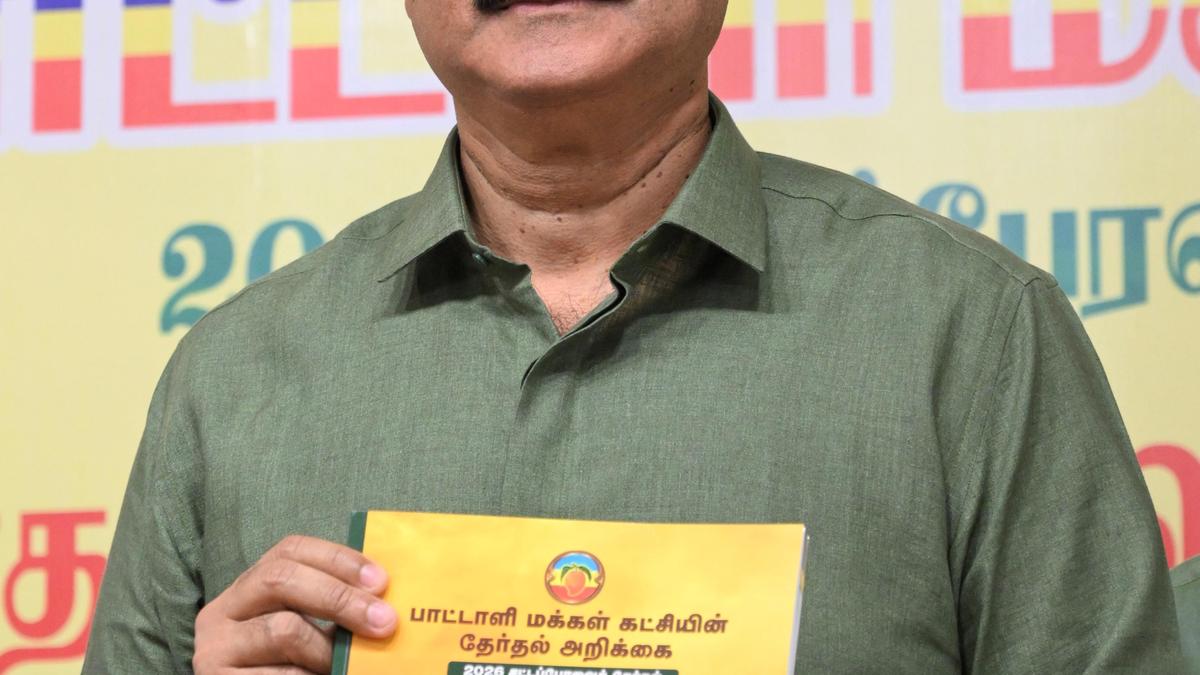
The Pattali Makkal Katchi (PMK) has officially released its manifesto for the upcoming Tamil Nadu Assembly elections. The party is making a strong push for the state government to conduct its own caste-based census to ensure fair treatment for all communities. Along with this demand, the PMK leadership has raised serious concerns about the state's financial health. They claim the current DMK government is borrowing too much money without spending enough on long-term projects that help the economy grow.
Main Impact
This move by the PMK changes the focus of the election campaign toward social data and financial responsibility. By demanding a caste census, the party is speaking directly to voters who feel they are not getting enough benefits from government programs. If this demand gains popular support, it could force other major parties to take a clear stand on the issue. Additionally, the focus on state debt highlights a growing worry among the public about how the government manages its budget and whether future generations will be stuck paying off today's loans.
Key Details
What Happened
During the launch of their election manifesto, PMK leaders explained that a state-led caste census is the only way to get accurate data about the population. They believe that without this information, the government cannot distribute jobs and education seats fairly. The party also used the event to criticize the ruling DMK party. They argued that while the state's debt is rising to record levels, the money is not being used to build new infrastructure like factories, bridges, or irrigation systems. Instead, they claim the money is being spent on daily costs that do not provide a return on investment.
Important Numbers and Facts
The PMK pointed out that Tamil Nadu's total debt has been climbing steadily over the last few years. They noted that a large portion of the state budget now goes toward paying interest on these loans. The manifesto suggests that if the PMK comes to power, they will prioritize "capital expenditure." This is a term for spending money on things that last a long time and help the state make more money in the future. They also promised that a caste census would be one of their first actions if they join the government, aiming to complete the count within a specific timeframe to avoid further delays.
Background and Context
In Tamil Nadu, politics has always been closely tied to social justice and the rights of different communities. For many years, various groups have asked for a caste census to prove their actual numbers in the population. They argue that the current reservation system, which sets aside seats in schools and government jobs, is based on old data from many decades ago. The PMK, which has a strong base among the Vanniyar community, has been a leading voice in this fight. They believe that fresh data will show that certain groups need more support than they are currently getting.
On the financial side, Tamil Nadu is one of India's biggest economies, but it also has some of the highest debt. Economists often look at how a state spends its borrowed money. If a state borrows to build a highway, that highway helps businesses grow, which eventually pays back the loan. However, if a state borrows just to pay salaries or give out cash gifts, it can lead to a financial crisis. The PMK is trying to convince voters that the current government is taking the second, more dangerous path.
Public or Industry Reaction
The reaction to the PMK's manifesto has been mixed. Many community leaders have welcomed the call for a caste census, saying it is a brave and necessary step for social equality. They feel that the state government has the power to do this and should not wait for the central government to act. On the other hand, some financial experts agree with the PMK's concerns about debt. They warn that if the state does not start spending more on building assets, the economy could slow down in the coming years.
However, supporters of the ruling DMK government argue that the debt is necessary to fund social welfare programs that help the poor. They claim that these programs provide a different kind of growth by improving the lives of millions of people. They also point out that the state has faced many challenges, such as natural disasters and health crises, which required extra spending.
What This Means Going Forward
As the election gets closer, the debate over the caste census and state debt will likely get louder. The PMK will use these issues to try and win over voters who are unhappy with the current administration. If they are successful, it could lead to a major shift in how the state handles its finances. A state-led census would also be a massive task, requiring thousands of workers and a lot of money. It would also likely face legal challenges in court, as the power to conduct a census is often debated between state and central governments. For the average citizen, this means the next government will have to balance the need for social data with the need to keep the state's bank account healthy.
Final Take
The PMK's manifesto sets a serious tone for the election by focusing on hard data and financial facts. By asking for a caste census and criticizing the state's debt, they are challenging the current government on both social and economic grounds. Whether these promises will turn into votes remains to be seen, but they have certainly started an important conversation about the future of Tamil Nadu.
Frequently Asked Questions
What is a caste census?
A caste census is an official count of the population that also records which caste or community each person belongs to. This data is used to help the government decide how to distribute benefits and reservations fairly.
Why is the PMK worried about state debt?
The PMK believes the state is borrowing too much money for daily expenses instead of investing in projects like roads and schools that help the economy grow over time. They fear this will lead to financial problems in the future.
Can a state government conduct its own census?
This is a debated topic. While the central government usually handles the national census, some states argue they have the right to collect their own data to help with local policies and social welfare programs.



