
Summary
The Madras High Court has stepped into a legal battle involving the leadership of the Pattali Makkal Katchi (PMK). Justice T.V. Thamilselvi ruled that a dispute between party leaders should be handled by a civil court rather than the High Court at this time. The court decided that the hearing must wait until after May 10 to avoid interfering with the upcoming elections. This move ensures that the political process in Tamil Nadu and Puducherry remains the primary focus for now.
Main Impact
The most immediate effect of this ruling is the temporary freeze on internal party legal fights. By pushing the case to a date after the elections, the court is preventing legal drama from affecting the way the PMK campaigns. This decision helps the party maintain a sense of order while they try to win votes. It also sets a standard that the court prefers not to get involved in internal party politics when the public is about to go to the polls.
For the members of the PMK, this means they can focus on their election work without worrying about a sudden change in leadership or legal status. However, the underlying tension between the leaders remains. The ruling does not solve the problem; it simply moves the discussion to a later date. This keeps the political environment more stable for the general public during the voting season.
Key Details
What Happened
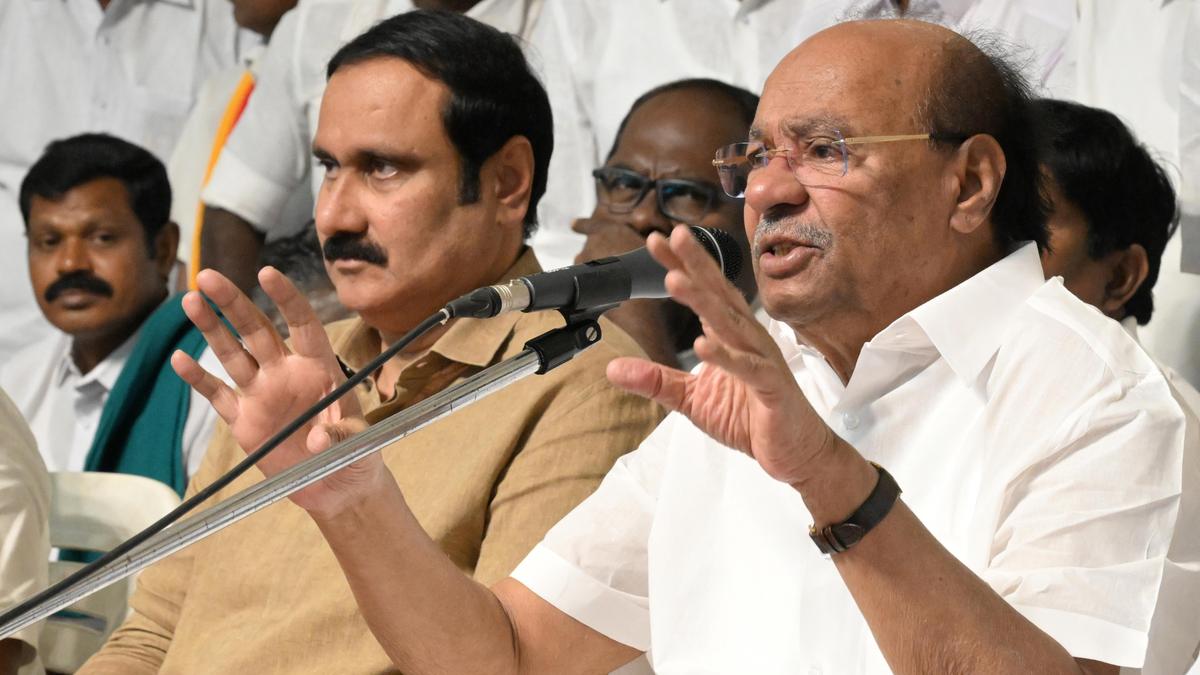
A legal case was brought before the Madras High Court regarding a disagreement within the PMK. The dispute involves high-level leadership issues between Anbumani Ramadoss and the party's founder, S. Ramadoss. While the specific details of the internal fight are complex, the main goal of the legal action was to seek a resolution on how the party is managed. Justice T.V. Thamilselvi reviewed the situation and determined that a civil court is the right place for this kind of internal party matter.
The judge noted that because the election schedule for Tamil Nadu and Puducherry has already been announced, it would be wrong for the court to make a major decision right now. The court believes that a ruling at this stage could create confusion among voters and party workers. Therefore, the case has been moved to a lower court with instructions to start the process only after the election period ends.
Important Numbers and Facts
The most important date mentioned in the court order is May 10. This is the day after which the civil court is allowed to begin hearing the arguments. The ruling specifically mentions the regions of Tamil Nadu and Puducherry, where the PMK has a strong presence. The decision was made by Justice T.V. Thamilselvi, who emphasized the importance of maintaining a fair environment during the election cycle. No immediate changes to the party's structure will happen before the voters have their say.
Background and Context
The Pattali Makkal Katchi, or PMK, is a well-known political party in Southern India. It has a loyal following and often plays a big role in forming government alliances. Like many political parties, it sometimes faces internal disagreements about who should lead and how decisions should be made. These "intra-party disputes" can become very heated, especially when they involve family members or long-time leaders.
In the past, Indian courts have often been careful about getting involved in the internal rules of a political party. They usually prefer that parties solve their own problems through their own internal committees. However, when leaders cannot agree, they often turn to the law. This specific case is important because it involves the top names in the party. By delaying the case, the court is following a tradition of staying neutral during the weeks leading up to an election.
Public or Industry Reaction
Political experts believe this ruling is a win for stability. If the court had made a quick decision, it could have split the party right before the election. This would have hurt their chances at the polls. Many party supporters are likely relieved that the focus will stay on the campaign for now. They want to see their leaders working together to win seats rather than fighting in a courtroom.
On the other hand, some critics feel that delaying the case leaves the party in a state of uncertainty. They argue that members deserve to know who is officially in charge before they cast their votes. Despite these different views, the general feeling is that the court made a practical choice to protect the democratic process from being distracted by private party arguments.
What This Means Going Forward
Once May 10 passes, the focus will shift back to the civil court. The leaders involved will have to present their evidence and explain their positions. This could lead to a long legal process that might eventually change the leadership structure of the PMK. If the civil court finds that party rules were not followed, it could order new internal elections or change who has the power to make decisions.
For the next few weeks, however, the PMK will likely present a united front to the public. They will continue their campaign as if nothing is wrong. The real test for the party will come after the election results are out and the court case begins. The outcome of the legal battle could determine the future direction of the party for years to come.
Final Take
The Madras High Court has chosen a path of caution. By sending the PMK dispute to a civil court and setting a date after the elections, the judge has protected the integrity of the voting season. This decision reminds everyone that while internal party rules are important, the smooth running of a public election is a higher priority. The leaders of the PMK now have a short window of time to focus on their voters before they have to face each other in court again.
Frequently Asked Questions
Why did the court delay the hearing?
The court delayed the hearing because elections are currently happening in Tamil Nadu and Puducherry. The judge felt it was not appropriate to hear a party dispute during this time.
Who are the main people involved in this case?
The dispute involves leaders within the PMK party, specifically mentioning Anbumani Ramadoss and the party's founder, S. Ramadoss.
What happens after May 10?
After May 10, a civil court will take over the case and begin hearing the arguments regarding the internal party dispute.



