
Summary
Prime Minister Narendra Modi has directed the Indian government to take all necessary steps to protect citizens from the economic fallout of the war in West Asia. During a high-level meeting, the Prime Minister emphasized the need to secure essential supplies like fuel, food, and fertilizers. He also stressed the importance of sharing accurate information with the public to prevent the spread of rumors or false news. This effort aims to ensure that the conflict between Iran and its neighbors does not lead to rising prices or shortages within India.
Main Impact
The primary impact of the government’s plan is the stabilization of the domestic economy during a period of global unrest. By focusing on supply chains, the government is working to ensure that the cost of living for the average person does not skyrocket. This involves finding new international partners to supply energy and agricultural needs, which reduces India's dependence on the conflict zone. Additionally, the focus on preventing black marketing and hoarding ensures that available resources reach the people who need them most at fair prices.
Key Details
What Happened
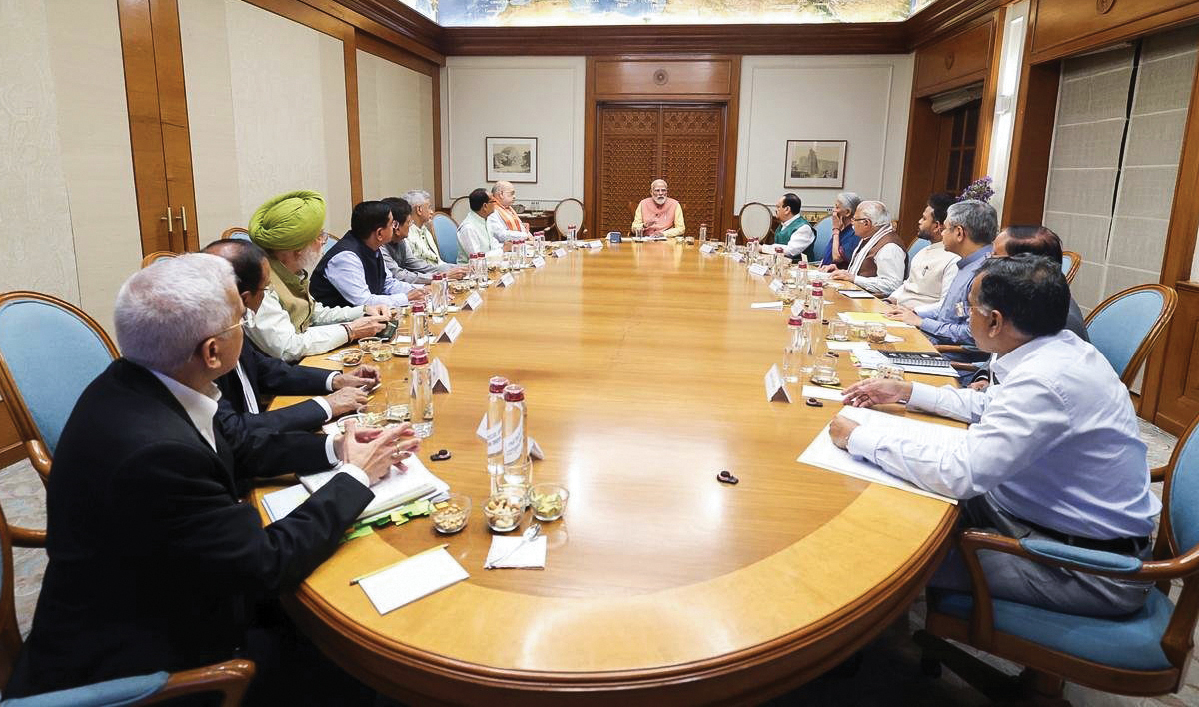
Prime Minister Modi chaired a meeting of the Cabinet Committee on Security (CCS) on Wednesday to review the situation in West Asia. This was the second such meeting in recent weeks, showing how seriously the government is taking the potential risks. The Prime Minister reviewed the work of several departments, including energy, agriculture, and shipping. He told officials to make an "all-out effort" to shield the public from any negative effects caused by the war. A major part of the discussion focused on keeping the supply of petroleum products and electricity steady as the summer months approach.
Important Numbers and Facts
The government has taken several specific technical and logistical steps to manage the crisis. For example, gas-based power plants with a capacity of 7 to 8 gigawatts have been given special exemptions to make it easier for them to produce electricity. To support the power grid, the government is also increasing the number of railway wagons used to move coal to thermal power stations. In the energy sector, India is looking for new countries to buy Liquefied Natural Gas (LNG) and Liquefied Petroleum Gas (LPG) to replace any lost supply from the war zone. Despite the global tension, the price of LPG for Indian households has remained stable so far.
Background and Context
The conflict in West Asia, particularly involving Iran, is a major concern for India because the region is a key source of energy and fertilizers. Many of the ships carrying goods to India must pass through the Strait of Hormuz, a narrow waterway that is vital for global trade. If this route is blocked or becomes too dangerous, it can lead to a shortage of oil and a sharp increase in prices. India also relies on the region for chemicals used to make fertilizers, which are essential for Indian farmers. By planning ahead, the government hopes to avoid the kind of economic shocks that often happen when major oil-producing regions go to war.
Public or Industry Reaction
The government is working closely with state authorities to monitor the situation on the ground. Control rooms have been set up to keep an eye on the prices of daily items like vegetables, fruits, and grains. State governments have been asked to conduct raids and take strict action against anyone caught hoarding fertilizers or selling them at unfair prices. In the industrial sector, there is a focus on maintaining the production of urea and other fertilizers to support farmers during the upcoming planting seasons. These actions are intended to reassure the public and businesses that the government is prepared for any supply disruptions.
What This Means Going Forward
Looking ahead, India will continue to diversify its trade routes and partners. This means the country will look to buy essential goods from a wider variety of nations to avoid being hurt by trouble in any single region. Diplomatic efforts are also underway to ensure that international shipping lanes remain safe for Indian vessels. However, the situation remains unpredictable. US President Donald Trump has given conflicting signals, suggesting the US might leave the conflict soon but also threatening heavy military action if shipping routes are blocked. India must remain alert and ready to adjust its plans as the global situation changes.
Final Take
The Indian government is taking a proactive approach to a dangerous global situation. By focusing on the basic needs of the common person—such as food, fuel, and power—the administration is trying to build a safety net against international instability. While the war in West Asia is far away, its economic reach is long, and these early steps are vital for maintaining domestic peace and financial health.
Frequently Asked Questions
How will the war affect the price of cooking gas in India?
The government is working to keep LPG prices stable by finding new countries to buy gas from. They are also taking strict action against hoarding to ensure there is no artificial price hike.
What is the government doing to help farmers during this conflict?
The government is ensuring a steady supply of fertilizers for the Kharif and Rabi seasons. They are coordinating with overseas suppliers and monitoring local stocks to prevent shortages or black marketing.
Why is the Strait of Hormuz important to India?
The Strait of Hormuz is a critical shipping route for oil and gas. Since India imports a large portion of its energy from West Asia, any blockage in this area could lead to fuel shortages and higher prices.



