
Summary
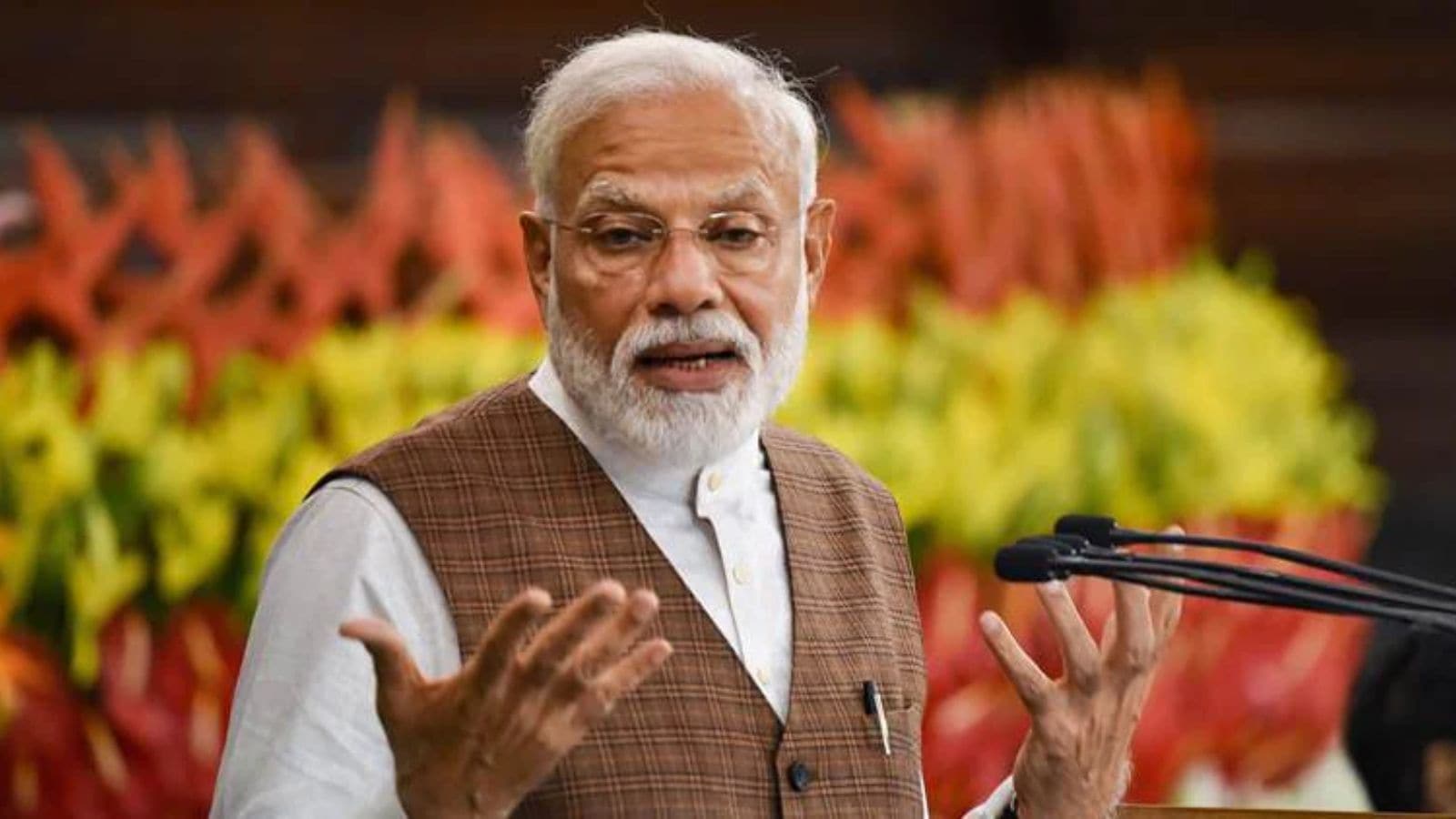
Prime Minister Narendra Modi recently delivered a powerful speech in West Bengal, focusing on the issues of illegal immigration and refugee rights. He issued a direct warning to people staying in the country illegally, telling them it is time to leave. At the same time, he assured the Matua community that the government would speed up the process of granting them citizenship under the Citizenship Amendment Act (CAA). This move is seen as a major step in addressing long-standing social and political concerns in the region.
Main Impact
The Prime Minister’s statement has two major effects on the current political situation. First, it sends a clear message that the central government intends to take a much tougher stand on border security and illegal residency. Second, it provides a sense of hope to thousands of refugees who have lived in uncertainty for decades. By promising to fast-track the CAA, the government is looking to secure the trust of the Matua community, which holds significant influence in several voting districts across West Bengal.
Key Details
What Happened
During a large public gathering, PM Modi spoke about the challenges facing West Bengal. He claimed that certain political groups have been allowing people to enter the country illegally for their own benefit. He used the phrase "pack your bags" to tell these individuals that their time in the country is coming to an end. He argued that the resources of the state should belong to the rightful citizens and those who have a legal right to be there. He also criticized the state government for allegedly blocking the benefits of central laws from reaching the people who need them most.
Important Numbers and Facts
The Matua community makes up a large portion of the population in districts like North 24 Parganas and Nadia. There are millions of people belonging to this group who migrated to India from Bangladesh over several decades. The Citizenship Amendment Act, which was passed in 2019, aims to give Indian nationality to non-Muslim migrants from Pakistan, Bangladesh, and Afghanistan who arrived before December 31, 2014. The Prime Minister emphasized that the rules are now in place and the digital portal for applications is ready to help people get their documents quickly.
Background and Context
To understand why this matters, we have to look at the history of the Matua community. They are a group of people who follow the teachings of Harichand Thakur and Guruchand Thakur. Many of them came to India to escape religious trouble in neighboring countries. While they have lived in India for a long time, many have struggled to get official citizenship papers. This has made it hard for them to get government jobs, buy property, or feel fully secure. The CAA was designed to solve this problem, but it faced many delays due to protests and the time taken to finalize the rules.
Public or Industry Reaction
The reaction to the Prime Minister’s speech has been divided. Members of the Matua Mahasangha, the main organization representing the community, have welcomed the promise of fast-track citizenship. They believe this will finally give them the dignity and rights they deserve. On the other hand, opposition parties in West Bengal have criticized the speech. They argue that the government is using the issue of immigration to create fear and win votes. Some critics also worry that the focus on "infiltrators" could lead to the harassment of innocent people who have lived in the state for a long time but lack perfect paperwork.
What This Means Going Forward
In the coming months, we can expect to see a surge in citizenship applications from the Matua community. The central government will likely set up special camps to help people fill out the forms and understand the legal requirements. However, this could also lead to more tension between the central government and the West Bengal state government. There may be legal challenges or protests as the law is put into full effect. The success of this plan will depend on how easily the common man can navigate the system without facing too much red tape or technical problems.
Final Take
The Prime Minister’s firm stance marks a turning point in how the government handles the sensitive issue of identity in West Bengal. By combining a warning to illegal stayers with a promise of help for refugees, the government is trying to balance national security with social justice. Whether this leads to a smoother immigration system or more political friction remains to be seen, but it is clear that the issue of citizenship will remain at the center of the conversation for a long time.
Frequently Asked Questions
Who are the Matuas?
The Matuas are a religious and social group that migrated to India, mostly from Bangladesh. They are a significant part of the Dalit community in West Bengal and have been seeking permanent Indian citizenship for many years.
What is the "Pack your bags" warning about?
This was a direct message from PM Modi to illegal immigrants. He stated that the government would no longer tolerate people staying in the country without legal permission and that they should prepare to leave.
How does the CAA help refugees?
The Citizenship Amendment Act (CAA) provides a faster way for non-Muslim refugees from neighboring countries to become Indian citizens if they arrived in India before the end of 2014. It simplifies the residency requirements and the application process.



