
Summary
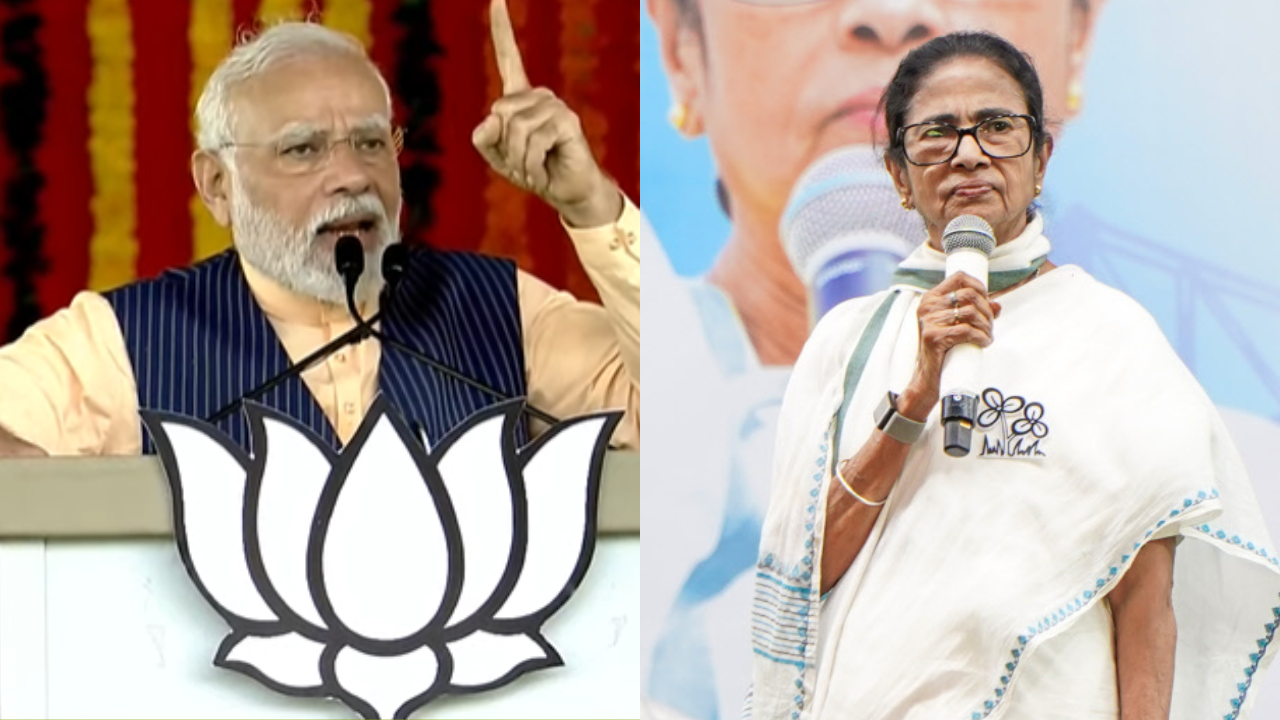
Prime Minister Narendra Modi recently shared a message for the people of West Bengal on the occasion of Poila Boishakh, the Bengali New Year. While the message included traditional greetings for the festival, it also contained a strong political critique of the current state government. The Prime Minister spoke about issues like corruption and poor leadership under the Trinamool Congress (TMC). This message highlights the ongoing tension between the central government and the leadership in West Bengal.
Main Impact
The Prime Minister’s comments have a significant impact on the political climate in West Bengal. By using a major cultural festival to point out government failures, he is attempting to reach voters on a personal and emotional level. This move signals that the central government will continue to challenge the TMC on issues of governance and honesty. It also sets the tone for future political contests in the state, making corruption and law and order the main topics of debate.
Key Details
What Happened
During the celebrations of Poila Boishakh, Prime Minister Modi issued a statement that went beyond simple holiday wishes. He described the current situation in West Bengal as one filled with "misrule, chaos, and corruption." He suggested that the state, which has a rich history of culture and progress, is currently suffering because of the way it is being managed. He promised that a change in leadership would help the state return to its former glory and bring better opportunities for the youth.
Important Numbers and Facts
The message comes at a time when several members of the ruling TMC party are facing investigations by central agencies. These cases involve allegations of money being taken in exchange for government jobs and issues with the distribution of food rations. While the Prime Minister did not name specific individuals in this short message, his use of the word "corruption" points directly to these ongoing legal battles. The BJP has been working hard to increase its presence in West Bengal, a state with 42 seats in the Lok Sabha, making it a vital area for national politics.
Background and Context
West Bengal is a state known for its deep political roots and passionate voters. For many years, it was governed by left-wing parties before Mamata Banerjee and the TMC took power over a decade ago. In recent years, the BJP has emerged as the main challenger to the TMC. The two parties often disagree on how the state should be run and how much influence the central government should have. Poila Boishakh is the most important day on the Bengali calendar, symbolizing new beginnings. By choosing this day to speak, the Prime Minister is calling for a "new beginning" for the state's politics.
Public or Industry Reaction
The reaction to the Prime Minister’s message was immediate and divided. Supporters of the BJP welcomed the statement, saying it was time for someone to speak up about the problems in the state. They believe that the state needs more help from the central government to grow. On the other side, TMC leaders criticized the Prime Minister for bringing politics into a festive occasion. They argued that the central government is trying to damage the image of West Bengal and is not providing the funds the state deserves. Many local citizens expressed a desire for peace and development, regardless of which party is in power.
What This Means Going Forward
Looking ahead, the relationship between the central government and West Bengal is likely to remain tense. The Prime Minister’s focus on "misrule" suggests that the BJP will use these themes in their upcoming campaigns. We can expect more focus on the work of central investigative agencies in the state. At the same time, the TMC will likely double down on its local welfare programs to keep its support base strong. The battle for the hearts and minds of Bengali voters will involve a mix of cultural pride and arguments over who can provide better economic growth.
Final Take
The Prime Minister’s New Year message serves as a reminder that politics in India never truly stops, even during holidays. By highlighting corruption and chaos, he is making a clear case for change in West Bengal. Whether this message will change the minds of voters remains to be seen, but it certainly ensures that the political fight in the state will stay in the national spotlight. The focus now shifts to how the state government will respond to these serious claims in the coming months.
Frequently Asked Questions
What is Poila Boishakh?
Poila Boishakh is the first day of the Bengali calendar and marks the start of the New Year. It is a major cultural festival celebrated with food, music, and family gatherings.
Why did PM Modi criticize the West Bengal government?
The Prime Minister alleged that the state is suffering from corruption, bad leadership, and a lack of order. He used the festive occasion to call for a change in how the state is governed.
How did the TMC respond to these claims?
The TMC generally views such comments as political attacks. They often argue that the central government is interfering in state affairs and ignoring the cultural traditions of the region.



