
Summary
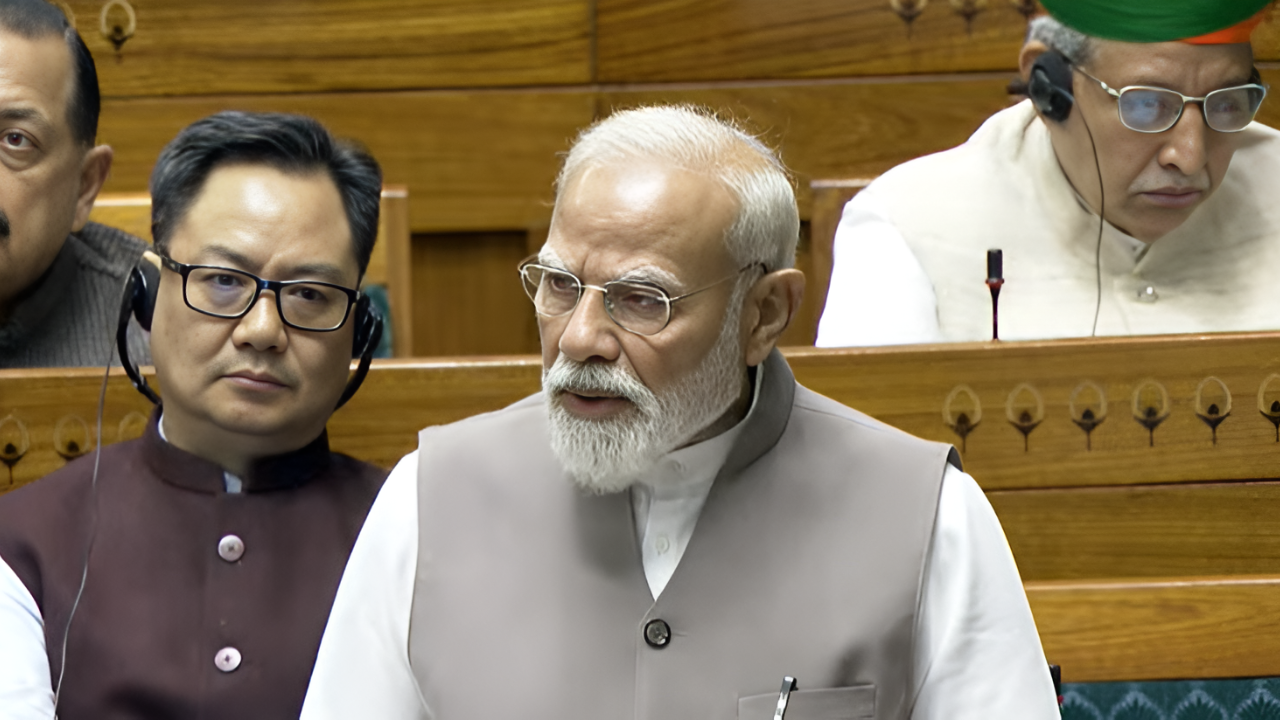
Prime Minister Narendra Modi has expressed serious concern over the growing conflict in West Asia, specifically regarding the tensions involving Iran. Speaking in the Lok Sabha, the Prime Minister described the current situation as worrisome for both the global community and India. He highlighted how a major war could damage the world economy and disrupt vital trade routes. The Indian government is now focused on protecting its citizens abroad and ensuring that the country’s economic interests remain secure during this period of instability.
Main Impact
The primary impact of this crisis is the potential for a massive disruption in global trade and energy supplies. Prime Minister Modi specifically pointed to the Strait of Hormuz as a major point of concern. If this narrow waterway is blocked or affected by military action, the flow of oil and gas to the rest of the world could slow down significantly. For India, this would mean higher fuel prices and a possible slowdown in economic growth. Additionally, the safety of millions of Indian workers in the Gulf region is now a top priority for the government.
Key Details
What Happened
During a session in the Lok Sabha, Prime Minister Modi gave an update on India’s position regarding the ongoing tensions in West Asia. He made it clear that India views the situation with great caution. The Prime Minister noted that any large-scale war in the region would not just be a local issue but a global disaster. He assured the public that the Indian government is actively monitoring the situation and taking steps to prepare for any negative outcomes. This includes keeping a close watch on shipping lanes and maintaining diplomatic communication with all parties involved.
Important Numbers and Facts
The scale of India’s connection to the Gulf region is massive. There are nearly 10 million (one crore) Indian citizens living and working in various Gulf countries. These individuals play a vital role in India’s economy by sending money back home to their families. Furthermore, a large portion of the world's crude oil passes through the Strait of Hormuz every day. Any blockage there could lead to a sharp rise in global energy costs. The Indian government has already instructed its foreign missions to stay in constant contact with the Indian community in these areas to provide help if the situation gets worse.
Background and Context
West Asia has long been a sensitive region for global politics and trade. The relationship between Iran and other regional powers often affects the entire world because of the high volume of oil produced there. India relies heavily on this region for its energy needs. Most of the petrol and diesel used in India comes from oil imported from Middle Eastern countries. Beyond energy, the region is home to the largest group of Indians living outside of India. Their safety and the stability of the region are directly linked to India’s national security and economic health. In the past, similar tensions have led to evacuations and economic shifts, making the current "worrisome" situation a matter of high importance for the Prime Minister.
Public or Industry Reaction
Industry experts and economists have shared the Prime Minister’s concerns. Shipping companies are worried about the rising costs of insurance and the safety of their vessels traveling through the Persian Gulf. If the Strait of Hormuz becomes a war zone, shipping routes would have to be changed, which adds time and cost to moving goods. Within India, there is also concern among families who have relatives working in the Gulf. The government’s assurance of support has provided some relief, but the fear of a sudden conflict remains high. Business leaders are watching oil prices closely, as any sudden jump could lead to inflation across the country.
What This Means Going Forward
Moving forward, the Indian government will likely increase its diplomatic efforts to help lower tensions in the region. India maintains good relations with many countries in West Asia and may use its influence to encourage peace. At home, the government will continue to issue travel advisories and safety guidelines for citizens in the affected areas. There may also be a push to diversify energy sources to reduce the impact of any future disruptions in the Strait of Hormuz. The next few weeks will be critical as the world watches to see if the situation moves toward a peaceful resolution or further conflict.
Final Take
The Prime Minister’s statement serves as a wake-up call regarding the fragile state of global trade and regional safety. While India is not a direct party to the conflict, the country cannot ignore the ripple effects of a war in West Asia. Protecting the millions of Indians abroad and securing the nation's energy supply are the most urgent tasks at hand. The government's proactive stance shows that it is ready to act, but the hope remains that diplomacy will prevail over military action to prevent a global economic crisis.
Frequently Asked Questions
Why is the Strait of Hormuz so important?
The Strait of Hormuz is a narrow path in the sea that connects the Persian Gulf with the rest of the world. It is the most important route for oil tankers. If it is closed, a large part of the world's oil supply cannot reach its destination, causing prices to rise everywhere.
How many Indians are affected by the crisis in West Asia?
There are approximately 10 million Indian citizens living and working in the Gulf region. They are employed in various sectors like construction, healthcare, and technology. Their safety and the money they send home are very important to India.
What is the Indian government doing to help?
The government is using its diplomatic missions and embassies to stay in touch with Indian citizens. They are issuing regular travel advisories and have plans in place to provide support or help people return home if the situation becomes too dangerous.



