
Summary
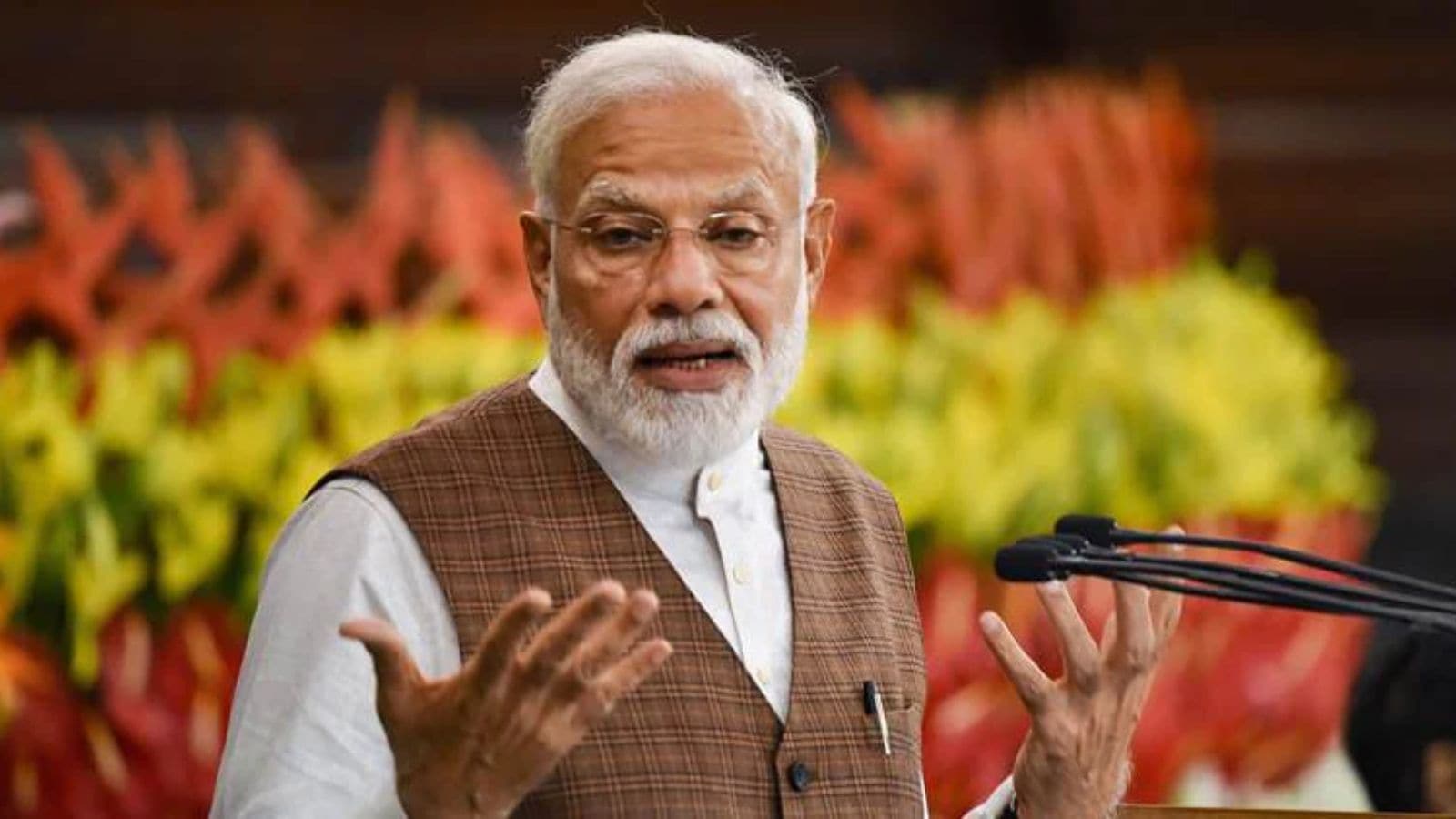
Prime Minister Narendra Modi recently delivered a strong speech in North Bengal, focusing on the political and social issues facing the region. He criticized the Trinamool Congress (TMC) government, labeling their policies as harmful to tribal groups, tea garden workers, and women. The Prime Minister also raised serious concerns about the security of the Siliguri Corridor, a narrow strip of land that is vital for India's national safety. This speech marks a significant moment in the ongoing political contest for control over West Bengal’s northern districts.
Main Impact
The Prime Minister’s remarks have turned the spotlight on the strategic importance of North Bengal. By linking local governance to national security, the central government is making a case that the state's current leadership is failing to protect a sensitive border area. This shift in focus could change how voters in the region view the upcoming elections. It also puts pressure on the state government to address long-standing complaints from tea garden laborers and tribal communities who feel left behind by the current administration.
Key Details
What Happened
During a large public rally, Prime Minister Modi accused the TMC of practicing "appeasement politics" that ignores the needs of the common people. He stated that the state government has been "anti-tribal" by not implementing central schemes meant for their welfare. He also spoke about the tea garden workers, who are a major part of the local economy, claiming they have been cheated out of fair wages and land rights. Furthermore, he highlighted the issue of women's safety, suggesting that the state has become a difficult place for women to live and work without fear.
Important Numbers and Facts
The Siliguri Corridor, often called the "Chicken's Neck," is a small stretch of land about 20 to 22 kilometers wide. It is the only land route connecting mainland India to the eight northeastern states. Because of its size and location near international borders, any security threat here is considered a major national risk. In the tea sector, North Bengal has hundreds of gardens employing over 300,000 permanent workers. Many of these workers earn less than 250 rupees a day, which has become a central point of political debate regarding their quality of life and financial security.
Background and Context
North Bengal has often felt separated from the political power center in Kolkata. For years, residents in districts like Darjeeling, Jalpaiguri, and Alipurduar have complained that the state government does not provide enough resources for their development. Tribal groups in these areas have unique cultural needs and have been asking for better recognition and support. The tea industry, which is the backbone of the region, has also faced many crises, including garden closures and a lack of modern healthcare for laborers. These local frustrations provide a backdrop for the Prime Minister's criticisms of the state leadership.
Public or Industry Reaction
The TMC leadership has quickly responded to these claims, calling them politically motivated. State officials argue that they have launched several welfare programs specifically for tea workers, such as housing schemes and free electricity. They also claim that the central government is the one withholding funds that belong to the state. On the other hand, local tribal leaders have expressed mixed feelings. While some welcome the Prime Minister's attention, others want to see concrete actions rather than just campaign promises. Security experts have also noted that keeping the Siliguri Corridor safe requires better cooperation between the state police and central security forces.
What This Means Going Forward
In the coming months, we can expect to see more focus on the development of North Bengal. The central government may introduce new projects aimed at improving the lives of tea workers and tribal families to back up the Prime Minister's words. National security will likely remain a top priority, with increased monitoring of the Siliguri Corridor. For the people living in this region, the increased attention from top leaders could lead to better infrastructure and more jobs, but it also means they will be at the center of a very intense political battle between the state and the center.
Final Take
The security of the Siliguri Corridor and the welfare of North Bengal's workers are no longer just local issues; they are now at the heart of India's national conversation. By addressing these topics directly, the Prime Minister is challenging the state government to prove its commitment to the region. Whether these words lead to real change for the tea gardens and tribal villages remains to be seen, but the political stakes have clearly been raised for everyone involved.
Frequently Asked Questions
What is the Siliguri Corridor?
The Siliguri Corridor is a narrow strip of land in West Bengal that connects the rest of India to its northeastern states. It is strategically important because it is surrounded by several international borders.
Why are tea garden workers a major topic?
Tea garden workers make up a large part of the population in North Bengal. They often face issues like low pay, poor living conditions, and a lack of land ownership, making their welfare a key political issue.
What are the main complaints against the TMC in this region?
Critics and the Prime Minister claim the TMC has ignored the needs of tribal groups, failed to protect women, and allowed security risks to grow in sensitive border areas while focusing on political gain.



