
Summary
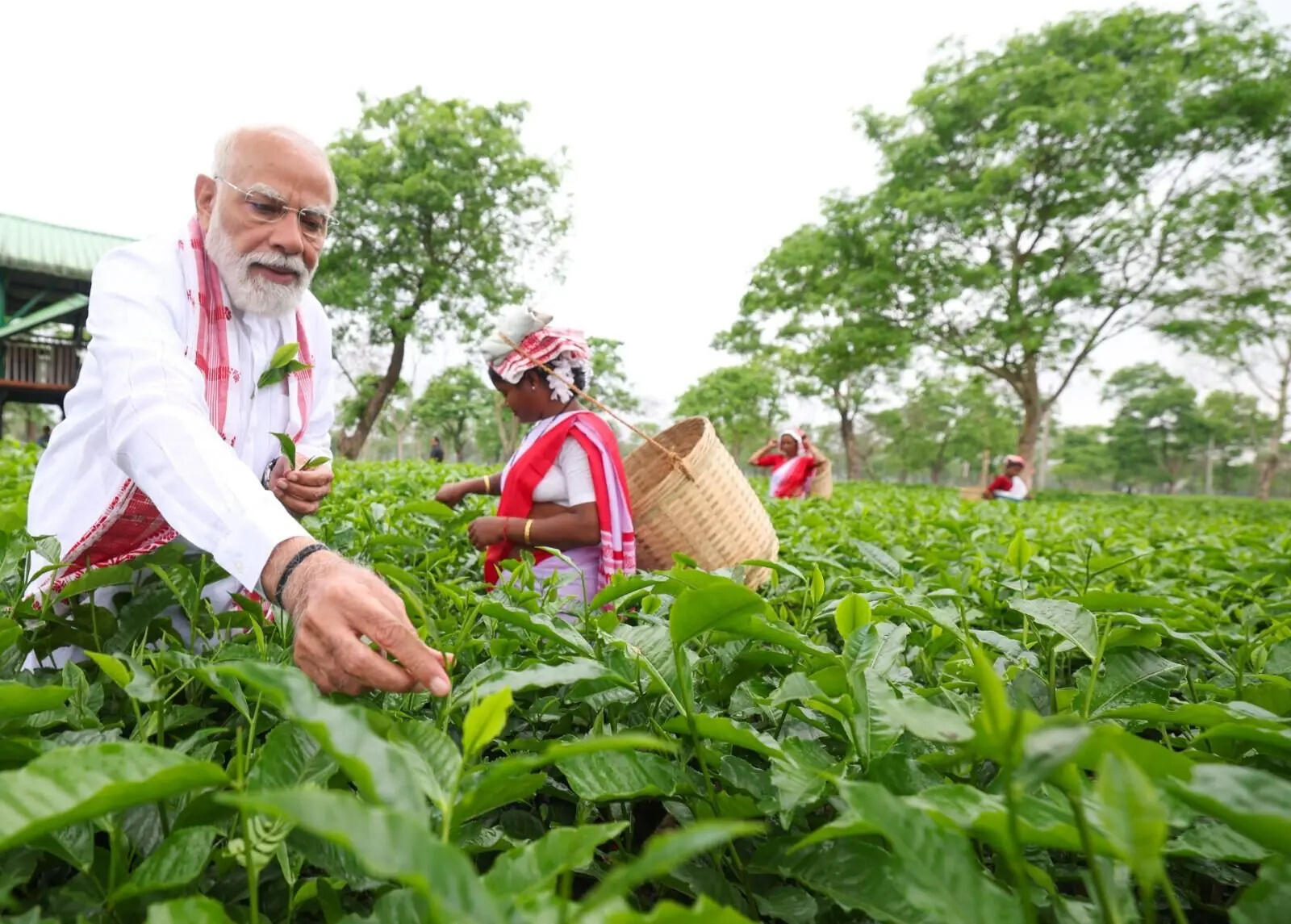
Prime Minister Narendra Modi recently visited a famous tea garden in Assam to experience the local culture firsthand. During his time there, he joined the workers in the fields, tried his hand at plucking tea leaves, and spent time talking with the staff. He shared several photos of the visit on social media, calling the trip a memorable experience that he would always cherish. This visit highlights the importance of the tea industry to the region and the hard work of the people who sustain it.
Main Impact
The Prime Minister’s visit has brought a fresh wave of national attention to the tea industry in Northeast India. By engaging directly with the workers, the visit shines a light on the daily lives of the people who produce one of India’s most famous exports. This interaction is expected to boost the morale of the local workforce and promote Assam as a key destination for cultural and agricultural tourism. It also reinforces the government's connection with the rural communities in the state.
Key Details
What Happened
The visit took place during the Prime Minister's wider trip to Assam. He arrived at the tea estate in the early hours of the morning, dressed in traditional attire that reflected the local culture. He walked through the long rows of tea bushes, guided by the women who work there every day. He spent a significant amount of time learning the specific technique used to pluck the best leaves. Later, he sat with the workers for a brief chat and took several selfies with them, which were later shared across various digital platforms.
Important Numbers and Facts
Assam is responsible for more than half of the total tea produced in India. The state has over 800 large tea estates and thousands of smaller tea gardens that support the livelihoods of millions of people. During the visit, the Prime Minister noted that the tea industry is a major part of the state's economy. Recent government reports show that the tea sector provides direct jobs to nearly one million people in Assam alone, many of whom are women from local tribes.
Background and Context
Tea has been grown in Assam for nearly two centuries, making it a core part of the state's identity. The region's unique climate and soil give the tea a strong, bold flavor that is recognized all over the world. However, the people who work in these gardens often face difficult conditions. For many years, there have been discussions about improving the wages, housing, and healthcare for these workers. By visiting the garden personally, the Prime Minister is acknowledging the value of this workforce and the need to support the industry that defines the region.
Public or Industry Reaction
The reaction to the visit has been very positive among the local community. Many workers expressed their excitement at meeting the Prime Minister in person, noting that it was a rare opportunity for them to speak with the head of the country. Industry leaders also welcomed the visit, stating that such high-level attention helps promote the "Assam Tea" brand globally. On social media, the images of the Prime Minister plucking leaves and taking selfies were widely shared, with many users praising the simple and direct way he interacted with the public.
What This Means Going Forward
This visit is likely to lead to more focus on the welfare of tea garden workers. The government has already introduced several schemes aimed at providing better financial services and health benefits to these communities. In the coming months, there may be new announcements regarding infrastructure improvements in the tea-growing regions, such as better roads and schools. Additionally, the visit serves as a strong signal that the government intends to keep the Northeast at the center of its development plans, focusing on both economic growth and cultural preservation.
Final Take
Prime Minister Modi’s time in the Assam tea garden was more than just a photo opportunity. It was a gesture of respect toward the millions of people who work in the fields to keep a major Indian industry running. By stepping into the shoes of a tea plucker for a morning, he showed a personal interest in the lives of ordinary citizens. This visit helps bridge the gap between the central government and the remote corners of the country, ensuring that the voices of the tea workers are heard at the highest levels.
Frequently Asked Questions
Why did the Prime Minister visit a tea garden in Assam?
The visit was part of a larger trip to the state to connect with local communities and highlight the importance of the tea industry, which is a major part of Assam's economy and culture.
What did the Prime Minister do during his visit?
He walked through the tea fields, learned how to pluck tea leaves from the workers, took selfies with the staff, and spoke with them about their daily lives and work.
How important is the tea industry to Assam?
The tea industry is vital to Assam, as the state produces over 50% of India's tea and provides jobs to nearly a million people, making it the backbone of the local economy.



