
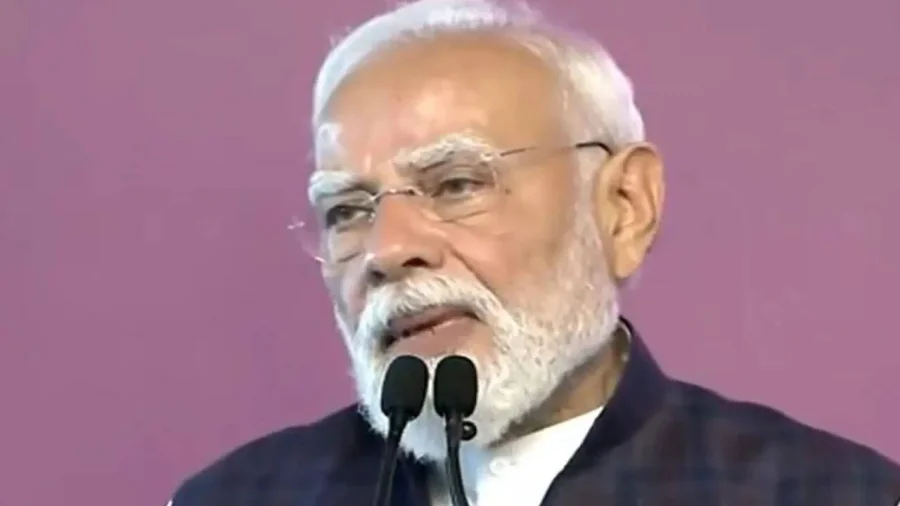
Prime Minister Narendra Modi has issued a powerful call to India’s youth, urging them to take the reins in shaping the nation’s future under the ambitious Viksit Bharat vision. In a recent address, he framed young Indians not just as beneficiaries of progress but as its primary architects, a message that resonates deeply with a country where over 65% of the population is under 35. The appeal is more than rhetoric—it signals a strategic pivot toward harnessing the demographic dividend for long-term national transformation.
What PM Modi Told the Youth: A Call to Action
Speaking at a public event, PM Modi emphasized that the dream of a developed India by 2047 cannot be realized without active youth participation. He urged young people to move beyond being passive observers and become drivers of change in their communities, workplaces, and the nation at large. “You are not just the future; you are the present architects of Viksit Bharat,” he said, according to official summaries of his address.
Why This Matters: The Demographic Dividend at a Crossroads
India is at a unique demographic moment. With the world’s largest youth population, the country has a narrow window to convert this advantage into economic and social gains. If channeled effectively, this energy could propel India into the ranks of developed nations. If neglected, it risks becoming a liability. Modi’s call is a recognition that the Viksit Bharat vision—targeting 2047, the 100th year of independence—depends on youth-led innovation, entrepreneurship, and civic engagement.
The Viksit Bharat Vision: What It Entails
Viksit Bharat is the government’s flagship roadmap to transform India into a developed nation by 2047. The vision spans economic growth, infrastructure, technology, healthcare, education, and social equity. It aims to raise per capita income, eliminate poverty, and ensure sustainable development. The Prime Minister’s latest remarks place youth at the center of this plan, signaling that policy initiatives will increasingly focus on skill development, startup ecosystems, and youth leadership programs.
Who Is Affected: India’s Young Population
The direct beneficiaries of this call are India’s 600 million-plus young people, including students, job seekers, entrepreneurs, and professionals. For them, the message is both an opportunity and a responsibility. It suggests that government schemes like Skill India, Startup India, and Digital India will be aligned more closely with youth-led initiatives. For rural and semi-urban youth, this could mean greater access to training, funding, and mentorship programs designed to turn local ideas into national impact.
Official Response and Government’s Role
The Prime Minister’s office has reiterated that the government will create enabling ecosystems for youth to lead. This includes policy support, financial incentives, and institutional frameworks that encourage innovation and entrepreneurship. Ministries such as Youth Affairs, Skill Development, and Education are expected to roll out targeted programs. However, specific new schemes or budgetary allocations have not yet been announced, leaving room for further clarity on implementation.
What This Means for India’s Development Trajectory
Modi’s appeal is not just symbolic. It reflects a broader shift in governance philosophy—from top-down development to participatory nation-building. By positioning youth as leaders, the government is betting on grassroots innovation and decentralized problem-solving. This approach could accelerate progress in areas like renewable energy, digital governance, healthcare access, and rural infrastructure, where young Indians are already making strides through startups and social enterprises.
Confirmed Facts vs What Remains Unclear
What is confirmed: PM Modi publicly urged youth to lead the Viksit Bharat vision during a recent address. The government has committed to supporting youth-led initiatives. What remains unclear: specific new policies, funding allocations, or timelines for youth engagement programs. The broader Viksit Bharat roadmap is still being fleshed out, and critics have called for more concrete action plans beyond speeches.
Risks and Balanced View
While the call to action is inspiring, challenges remain. India’s youth face high unemployment rates, skill gaps, and regional disparities in access to education and opportunities. Without targeted interventions, the vision risks remaining aspirational. Critics argue that the government must address structural issues like job creation, quality education, and healthcare before expecting youth to lead. Balancing optimism with practical support will be key to turning this vision into reality.
Wider Trend: Youth-Led Development Globally
India is not alone in turning to its youth for national transformation. Countries like Rwanda, Singapore, and Estonia have successfully leveraged young populations for economic leaps. The global trend of youth-led innovation—from fintech in Africa to green tech in Europe—offers lessons. India’s challenge is to scale such models across a vast, diverse population, ensuring that no region or community is left behind.
Practical Guidance for Youth: How to Get Involved
For young Indians wanting to contribute, the first step is to engage with existing government platforms like the MyGov portal, Skill India courses, and Startup India initiatives. Participating in local governance, volunteering for social projects, or launching community-driven enterprises are practical ways to align personal goals with national vision. Staying informed about policy changes and networking with like-minded peers can amplify impact.
Future Outlook: What Could Happen Next
In the coming months, the government is expected to announce specific youth-focused programs under the Viksit Bharat umbrella. These may include expanded internship schemes, innovation challenges, and mentorship networks. The success of this vision will depend on how effectively these initiatives reach rural and marginalized youth. If executed well, India could see a new wave of youth-led transformation by the 2030s.
Our Take
PM Modi’s call to youth is a timely and necessary reminder that India’s future rests on the energy and ideas of its young people. But words must be matched with action. The government’s ability to create jobs, improve education, and foster innovation will determine whether this vision becomes a reality. For now, the message is clear: the youth are not just the future—they are the present. And the clock is ticking toward 2047.
Frequently Asked Questions
What is the Viksit Bharat vision?
Viksit Bharat is the Indian government’s ambitious plan to transform India into a developed nation by 2047, the 100th year of independence. It focuses on economic growth, infrastructure, technology, healthcare, education, and social equity.
Why is PM Modi urging youth to lead this vision?
PM Modi believes that India’s large young population is its greatest asset. By empowering youth to lead, the government aims to harness their energy, innovation, and entrepreneurship to drive national development.
How can young Indians contribute to Viksit Bharat?
Young Indians can contribute by engaging with government platforms like MyGov, Skill India, and Startup India, participating in local governance, volunteering for social projects, or launching community-driven enterprises.
What are the main challenges to achieving Viksit Bharat?
Key challenges include high youth unemployment, skill gaps, regional disparities in education and healthcare, and the need for concrete policy implementation beyond aspirational speeches.



