
Summary
A senior leader from the Congress party has filed a petition in the Supreme Court of India against Prime Minister Narendra Modi. The legal challenge claims that a speech given by the Prime Minister and broadcast on Doordarshan violated the Model Code of Conduct. This set of rules is designed to ensure that all political parties have a fair chance during elections. The petitioner argues that using the state-owned broadcaster for such a speech gives the ruling party an unfair advantage over its rivals.
Main Impact
This legal move puts a spotlight on the rules governing election campaigns in India. If the Supreme Court decides to take strict action, it could change how the government uses state-run media during election periods. The case highlights the ongoing tension between the ruling government and the opposition regarding the use of public resources. It also raises questions about the power of the Election Commission to enforce its own rules when high-ranking officials are involved.
Key Details
What Happened
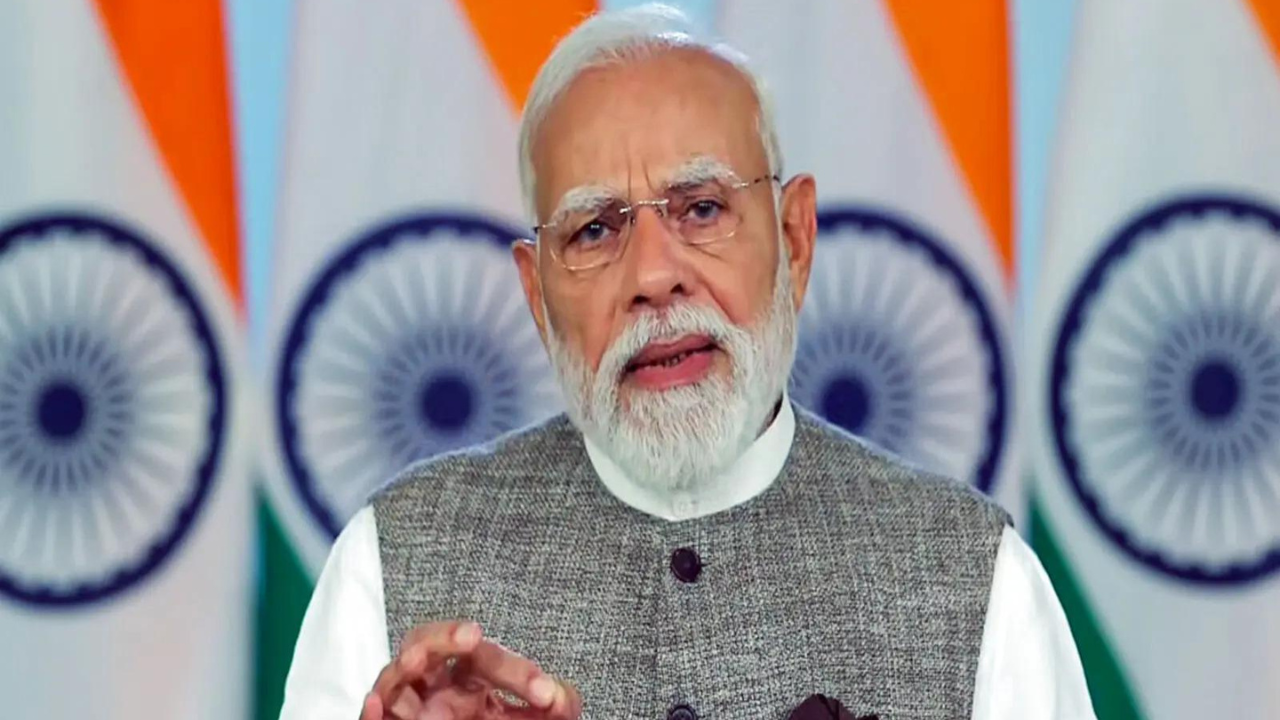
The controversy started after Prime Minister Narendra Modi delivered a speech that was aired on Doordarshan, India's national public broadcaster. Members of the Congress party felt the content of the speech was purely political and aimed at winning votes. They believe that since the Model Code of Conduct was already in place, the Prime Minister should not have used a government-funded platform to reach the public. The Congress leader decided to go to the Supreme Court because they felt the Election Commission had not taken enough action to stop such broadcasts.
Important Numbers and Facts
The Model Code of Conduct (MCC) comes into effect the moment the Election Commission announces the dates for an election. One of the core rules of the MCC is that the party in power cannot use its official position for campaign purposes. This includes using government vehicles, staff, or media outlets like Doordarshan and All India Radio. The petition asks the court to look at whether this specific broadcast gave the BJP an edge that other parties do not have. The legal team for the Congress leader is asking for clear guidelines to prevent this from happening again in the future.
Background and Context
To understand this issue, it is important to know what the Model Code of Conduct is. It is a set of guidelines issued by the Election Commission of India to guide political parties and candidates. These rules cover everything from how to behave at rallies to how to use media. The main goal is to keep the elections clean and fair. In India, the government in power has access to many resources. To prevent them from using these resources to stay in power, the MCC forbids the use of public money for advertisements that highlight the party's achievements once the election process starts.
Doordarshan is a public service broadcaster. Because it is funded by the taxpayers, it is expected to remain neutral. Over the years, there have been many debates about whether the ruling party of the day uses Doordarshan to spread its own message. This latest court case is part of a long history of disagreements over how much control the government should have over national media during an election.
Public or Industry Reaction
The reaction to this legal challenge has been split along political lines. Supporters of the Congress party say the move is necessary to protect democracy. They argue that if the Prime Minister can speak on national TV whenever he wants, other parties are left at a disadvantage. They believe the Supreme Court must step in to act as a neutral referee.
On the other hand, supporters of the ruling party often argue that the Prime Minister has a duty to speak to the nation. They claim that his speeches are about national progress and official government work rather than just seeking votes. Some legal experts have noted that the line between an "official address" and a "political speech" can be very thin, making it difficult for the courts to decide where one ends and the other begins.
What This Means Going Forward
The Supreme Court's decision on this matter will be very important for future elections. If the court agrees with the Congress leader, it might set new, stricter rules for what the Prime Minister can and cannot say on state media. It could also lead to a more powerful role for the Election Commission in monitoring live broadcasts. If the court dismisses the petition, it may give more freedom to the government to continue using these platforms during campaign seasons.
For the average voter, this case is a reminder of the importance of fair play. It shows that the rules of the election are being watched closely by all sides. The outcome will likely influence how all political parties use media in the coming months. It also puts pressure on the Election Commission to show that it can handle complaints against the most powerful leaders in the country without bias.
Final Take
The battle over a television speech is about much more than just airtime. It is about the basic idea that everyone should follow the same rules in a democracy. By taking this issue to the highest court, the opposition is testing the strength of India's election laws. Whether the court chooses to intervene or not, the discussion around the fair use of state resources is a vital part of keeping the election process transparent and honest for everyone involved.
Frequently Asked Questions
What is the Model Code of Conduct?
The Model Code of Conduct is a set of rules that political parties and candidates must follow during elections. It ensures that the elections are conducted in a fair and peaceful manner.
Why is Doordarshan involved in this case?
Doordarshan is a state-owned broadcaster funded by the government. The law says the ruling party should not use government-funded media to promote itself during an election campaign.
What can the Supreme Court do in this situation?
The Supreme Court can review the complaint and decide if the rules were broken. It can issue orders to the Election Commission to take action or set new rules for how speeches are broadcast in the future.



