
Summary
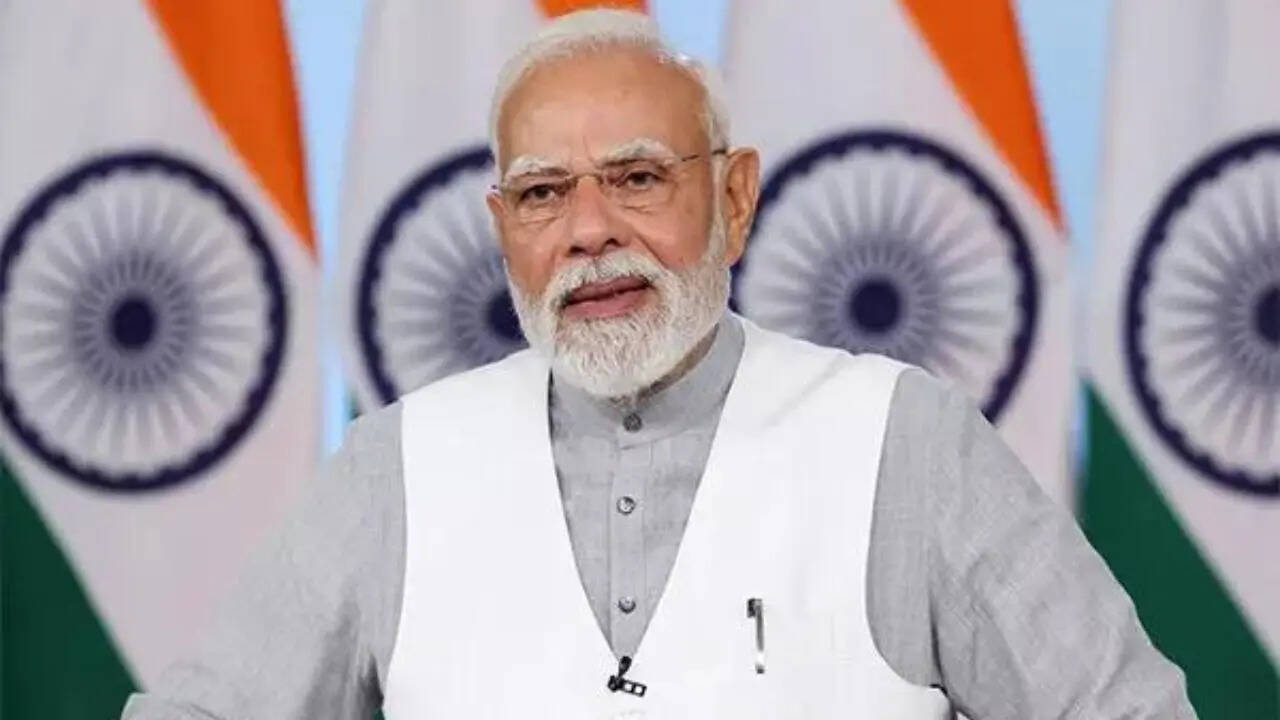
Prime Minister Narendra Modi recently addressed a public gathering where he criticized opposition parties for their role in blocking legislation meant for women. During his speech, the Prime Minister offered a direct apology to the women of India, expressing regret that certain political hurdles prevented the passage of a key bill. He argued that the opposition has a long history of stopping progress for women's rights. This development highlights the growing political tension as the government pushes for greater female representation in the country's law-making bodies.
Main Impact
The Prime Minister's comments have placed women's rights at the center of the national political conversation. By apologizing directly to women, Modi is positioning his government as a champion of gender equality while painting the opposition as an obstacle to change. This move is expected to influence how female voters view the major political parties in upcoming elections. It also puts pressure on the opposition to explain their stance on specific legislative details that have caused delays in the past.
Key Details
What Happened
In a recent public address, Prime Minister Modi spoke about the challenges of passing laws that benefit women. He specifically mentioned the Women’s Reservation Bill, which aims to reserve seats for women in the Lok Sabha and state assemblies. Modi stated that while his government is fully committed to this cause, the opposition has repeatedly created roadblocks. He said he felt the need to apologize to the "mothers and daughters" of the country because these political games have delayed their rightful place in government.
Important Numbers and Facts
The primary focus of the discussion is the Nari Shakti Vandan Adhiniyam, also known as the Women's Reservation Bill. This law proposes to reserve 33 percent of seats in the lower house of Parliament and all state legislative assemblies for women. Although the bill was passed by Parliament recently, its actual implementation depends on two major events: a new national census and the redrawing of constituency boundaries, known as delimitation. The opposition has criticized this delay, while the government maintains that these steps are legally necessary to ensure a fair process.
Background and Context
The fight for women's reservation in Indian politics is not new. It has been a topic of debate for nearly three decades. The bill was first introduced in 1996 but failed to pass several times over the years. Different governments tried to move it forward, but it often faced loud protests and physical disruptions within the halls of Parliament. Some parties argued that the bill should include specific quotas for women from backward classes, which led to further disagreements and delays.
For many years, women have been underrepresented in Indian politics. Currently, women make up only a small fraction of the total members of Parliament. Supporters of the bill believe that giving women a guaranteed 33 percent of seats will lead to better policies for families, education, and healthcare. The Prime Minister’s recent apology is a nod to this long and difficult history of failed attempts to pass the law.
Public or Industry Reaction
The reaction to the Prime Minister's speech has been divided along party lines. Supporters of the ruling party praised the Prime Minister for his humility and his clear focus on women's empowerment. They believe his apology shows that he takes the issue seriously and is frustrated by political games. Many women's rights groups have also welcomed the focus on the bill, though some remain cautious about when the changes will actually take effect.
On the other hand, opposition leaders have dismissed the Prime Minister's comments as a political tactic. They argue that the government is blaming them to hide its own delays in implementing the law. Some opposition members pointed out that they actually supported the bill in Parliament and that the government is the one choosing to wait for the census and delimitation before making the seats available to women. They claim the apology is an attempt to win votes rather than a sincere expression of regret.
What This Means Going Forward
Looking ahead, the implementation of women's reservation will remain a major talking point. The government will need to conduct a national census, which has been delayed for some time. After the census, the boundaries of voting districts will be redrawn. Only after these two massive tasks are finished will the 33 percent reservation become a reality. This means it could still be several years before we see a significant increase in the number of women in Parliament.
In the short term, both the government and the opposition will likely continue to use this issue to appeal to female voters. We can expect more debates about the "sub-quota" for women from different social backgrounds. The political pressure is now higher than ever for all parties to show that they are truly in favor of giving women more power in the government.
Final Take
The Prime Minister's apology marks a significant moment in the long journey toward gender equality in Indian politics. While the blame for past failures is shared among many political players, the focus is now firmly on the future. The success of this initiative will not be measured by speeches or apologies, but by the actual presence of more women in the seats of power. As the country moves toward the next steps of the process, the public will be watching closely to see if the promises made today turn into the reality of tomorrow.
Frequently Asked Questions
What is the Women's Reservation Bill?
It is a law that reserves one-third of the seats in the Lok Sabha and state assemblies for women to ensure they have a stronger voice in making laws.
Why did PM Modi apologize to women?
He apologized because the bill faced many delays and hurdles over the years, which he blamed on the opposition's lack of support and political tactics.
When will the 33% reservation start?
The reservation will start after the next national census is completed and the boundaries of voting districts are redrawn, which may take a few more years.



