
Summary
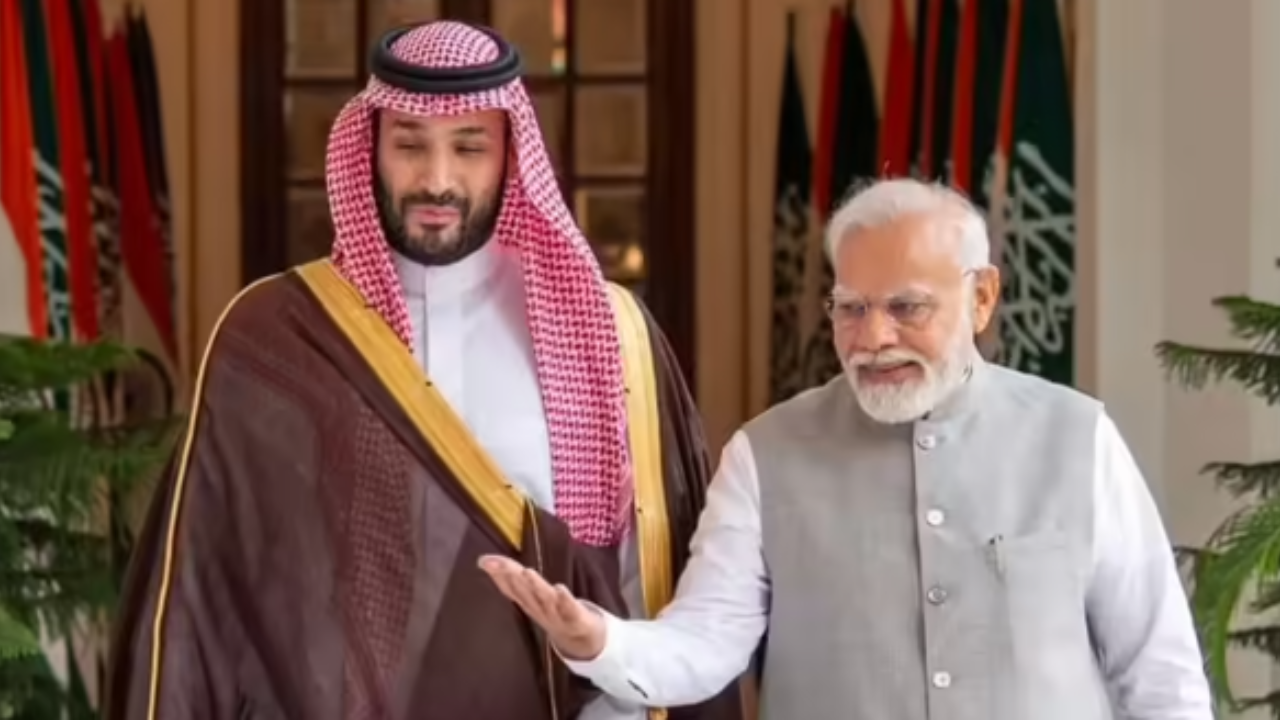
Prime Minister Narendra Modi and Saudi Arabian Crown Prince Mohammed bin Salman recently held a high-level phone call to discuss the growing crisis in the Middle East. The two leaders focused on the urgent need to maintain peace and stability in a region that is vital for global trade. They specifically talked about keeping sea routes safe for ships and protecting energy plants from attacks. This conversation highlights the strong diplomatic ties between India and Saudi Arabia as they work together to prevent further economic disruptions.
Main Impact
The primary impact of this discussion is the shared commitment to maritime security. When major leaders from India and Saudi Arabia agree on protecting sea lanes, it sends a strong message to the international community and global markets. The Middle East is a central hub for the world’s energy supply and cargo transport. Any instability there can lead to higher fuel prices and delays in shipping goods. By pushing for open sea lanes, both nations are trying to protect the global economy from the negative effects of regional conflicts.
Key Details
What Happened
During the phone call, Prime Minister Modi and the Crown Prince shared their concerns about the ongoing violence and tension in the Middle East. They agreed that the freedom of navigation—the right for ships to move freely through international waters—is essential. India also made its position clear by speaking out against attacks on energy infrastructure, such as oil refineries and pipelines. These attacks not only cause environmental damage but also threaten the energy security of many countries that rely on Middle Eastern oil.
Important Numbers and Facts
The Middle East is home to some of the world's busiest shipping routes, including the Red Sea and the Persian Gulf. A large portion of India’s crude oil imports comes from this region, making Saudi Arabia one of India’s most important trade partners. In recent months, there have been several reports of drone and missile attacks on commercial ships. These incidents have forced many companies to take longer, more expensive routes around Africa. The leaders discussed how these disruptions affect the cost of living for people in both India and the Middle East.
Background and Context
To understand why this talk is so important, we must look at how much the world depends on the Middle East. Most of the goods moving between Asia and Europe pass through the waters near Saudi Arabia. If these routes are blocked or become too dangerous, the price of everything from electronics to food can go up. India has a huge interest in this because millions of Indian citizens live and work in the Gulf region. Additionally, India is working on a major project called the India-Middle East-Europe Economic Corridor. This project aims to connect these regions through ship and rail lines, making trade faster and cheaper. For this plan to work, the region must remain peaceful and the seas must stay open.
Public or Industry Reaction
Global trade experts and energy analysts have welcomed the news of this high-level contact. Many believe that India can play a role as a neutral bridge-builder in the region. Shipping companies are also looking for more security as they navigate through risky waters. Industry leaders have noted that when countries like India and Saudi Arabia cooperate, it builds confidence for businesses to keep investing in the region. There is a general hope that this diplomatic effort will lead to better protection for merchant ships and a reduction in the use of force against civilian trade routes.
What This Means Going Forward
Moving forward, we can expect to see more cooperation between the Indian Navy and Saudi maritime forces. They may share more information about threats in the water or even conduct joint patrols to deter pirates and extremist groups. India will likely continue to use its diplomatic influence to call for a ceasefire or a reduction in fighting in the Middle East. The next steps will involve more meetings between officials from both countries to turn these discussions into practical security measures. If the situation does not improve, shipping costs may remain high, which will keep pressure on the global economy.
Final Take
The safety of the world's oceans is not just a military issue; it is a basic requirement for a healthy global economy. The talk between PM Modi and Crown Prince Mohammed bin Salman shows that both nations understand the high stakes involved. By standing together for the freedom of navigation and the protection of energy resources, they are working to ensure that regional conflicts do not turn into a global financial crisis. Stability in the Middle East remains a top priority for India's growth and energy needs.
Frequently Asked Questions
Why are sea lanes in the Middle East so important?
These sea lanes are the main paths for ships carrying oil, gas, and consumer goods between Asia, Europe, and Africa. If they are closed, trade slows down and prices go up everywhere.
What does "freedom of navigation" mean?
It is a rule in international law that says ships from any country have the right to travel through international waters without being stopped or attacked by other nations.
How does the Middle East crisis affect India?
India gets a lot of its oil from the Middle East. Also, many Indian workers live there and send money home. Any conflict can threaten India's energy supply and the safety of its citizens abroad.



