
Summary
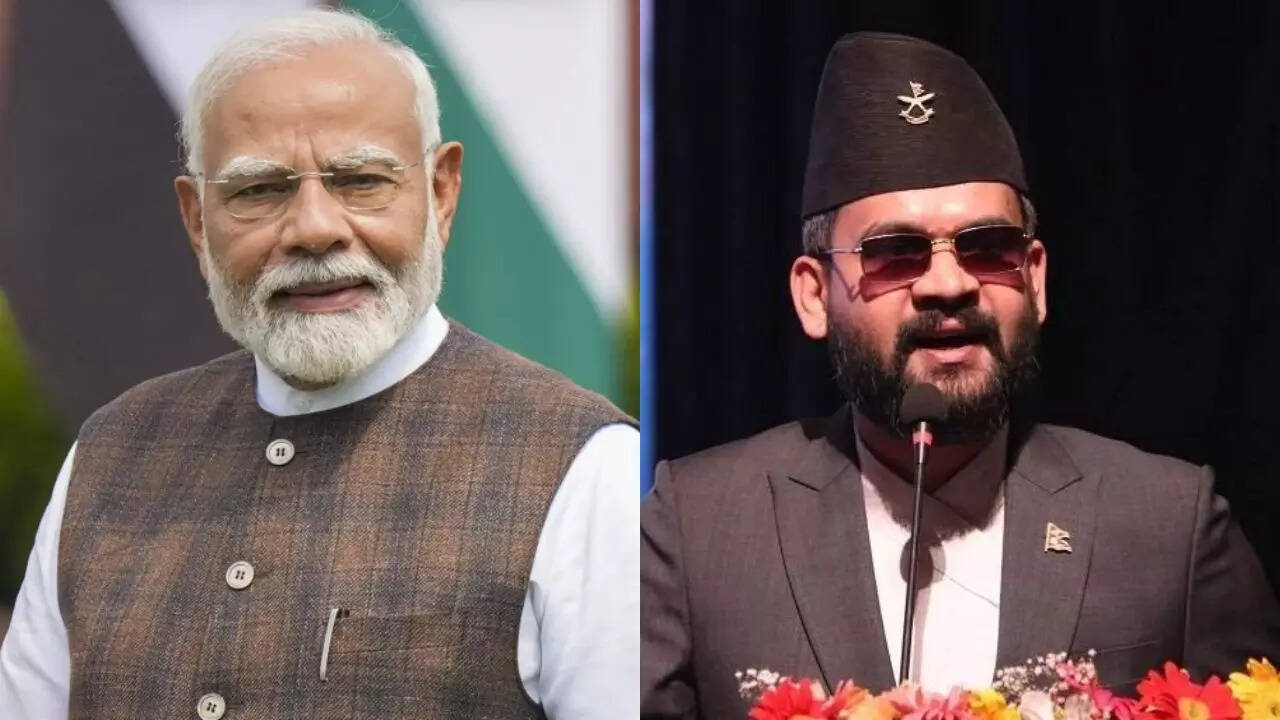
Indian Prime Minister Narendra Modi recently held important discussions with two of Nepal’s most influential young leaders, Balendra Shah and Rabi Lamichhane. These talks signal a new chapter in the relationship between India and Nepal, focusing on the next generation of political figures. By reaching out to these leaders, India is showing its commitment to working with the changing political face of its neighbor. This move is seen as a way to strengthen ties and ensure long-term cooperation on shared goals like trade, energy, and regional security.
Main Impact
The primary impact of this communication is the formal recognition of Nepal’s shifting political environment. For a long time, diplomatic talks mostly happened between established, older parties. Now, India is actively engaging with newer voices who have a strong following among the youth. This helps build a bridge between the two nations that is based on modern needs rather than just historical ties. It also suggests that India wants to ensure its "Neighborhood First" policy remains effective by connecting with those who will lead Nepal in the coming decades.
Key Details
What Happened
Prime Minister Modi spoke with Balendra Shah, who is the Mayor of Kathmandu, and Rabi Lamichhane, the leader of the Rastriya Swatantra Party (RSP). The conversations were friendly and focused on mutual respect and growth. They discussed how the two countries can work together more closely on local projects and national policies. This outreach is part of a broader effort by the Indian government to maintain stable and friendly relations with all major political players in Nepal, regardless of their party age or background.
Important Numbers and Facts
Balendra Shah, often called "Balen," won the Kathmandu mayoral race as an independent candidate, which was a historic moment in Nepal’s politics. Rabi Lamichhane’s party, the RSP, also saw a massive rise in popularity during the last general elections, becoming one of the largest groups in the Nepali Parliament. These leaders represent a significant portion of the voting population. India and Nepal share a border that is over 1,850 kilometers long, and thousands of people cross it every day for work and family. Maintaining good relations with the leaders of the capital city and major political blocs is essential for managing this border and the trade that flows across it.
Background and Context
India and Nepal have a very old and deep connection. People often call it a "Roti-Beti" relationship, which means a bond of food and family. This is because many families have members on both sides of the border. However, in recent years, politics in Nepal has changed. Younger voters are looking for new leaders who focus on technology, transparency, and fast development. Balendra Shah and Rabi Lamichhane have become the faces of this change. By speaking with them, PM Modi is acknowledging that the old ways of doing diplomacy must evolve to include these new and powerful voices.
Public or Industry Reaction
The reaction to these talks has been mostly positive. In Nepal, many people see this as a sign that India respects the democratic choices of the Nepali people. It shows that India is willing to work with whoever the public chooses to lead them. In India, foreign policy experts believe this is a smart move to prevent any gaps in communication. Some political observers in Nepal have noted that this engagement helps balance the influence of other large countries in the region. Overall, the move is viewed as a practical step toward keeping the region peaceful and focused on economic growth.
What This Means Going Forward
Looking ahead, we can expect more direct cooperation between Indian cities and Kathmandu. There may be new agreements on urban planning, waste management, and digital infrastructure, which are areas where Mayor Balendra Shah has shown great interest. For Rabi Lamichhane and his party, this connection could lead to better coordination on legislative matters and regional trade policies. The goal is to move past old disagreements and focus on projects that help people in both countries, such as building better roads and sharing electricity from Nepal’s rivers.
Final Take
This outreach by PM Modi is a clear sign that India is looking toward the future. By building friendships with Nepal’s youth leaders today, India is securing a more stable and cooperative relationship for tomorrow. It shows that diplomacy is not just about history, but about understanding who is leading the people right now. This approach will likely lead to more practical results and a stronger bond between these two close neighbors.
Frequently Asked Questions
Who is Balendra Shah?
Balendra Shah, also known as Balen, is a structural engineer and a popular rapper who became the Mayor of Kathmandu. He is known for his independent political stance and his focus on improving the city's infrastructure.
Why did PM Modi speak with these specific leaders?
He spoke with them because they represent the new generation of leadership in Nepal. Both Balendra Shah and Rabi Lamichhane have a lot of support from young voters and hold significant influence in the country's current political scene.
What is India's "Neighborhood First" policy?
This is a government policy where India gives priority to its immediate neighbors in terms of trade, aid, and diplomatic support. The goal is to create a peaceful and prosperous region by helping nearby countries grow.



