
Summary
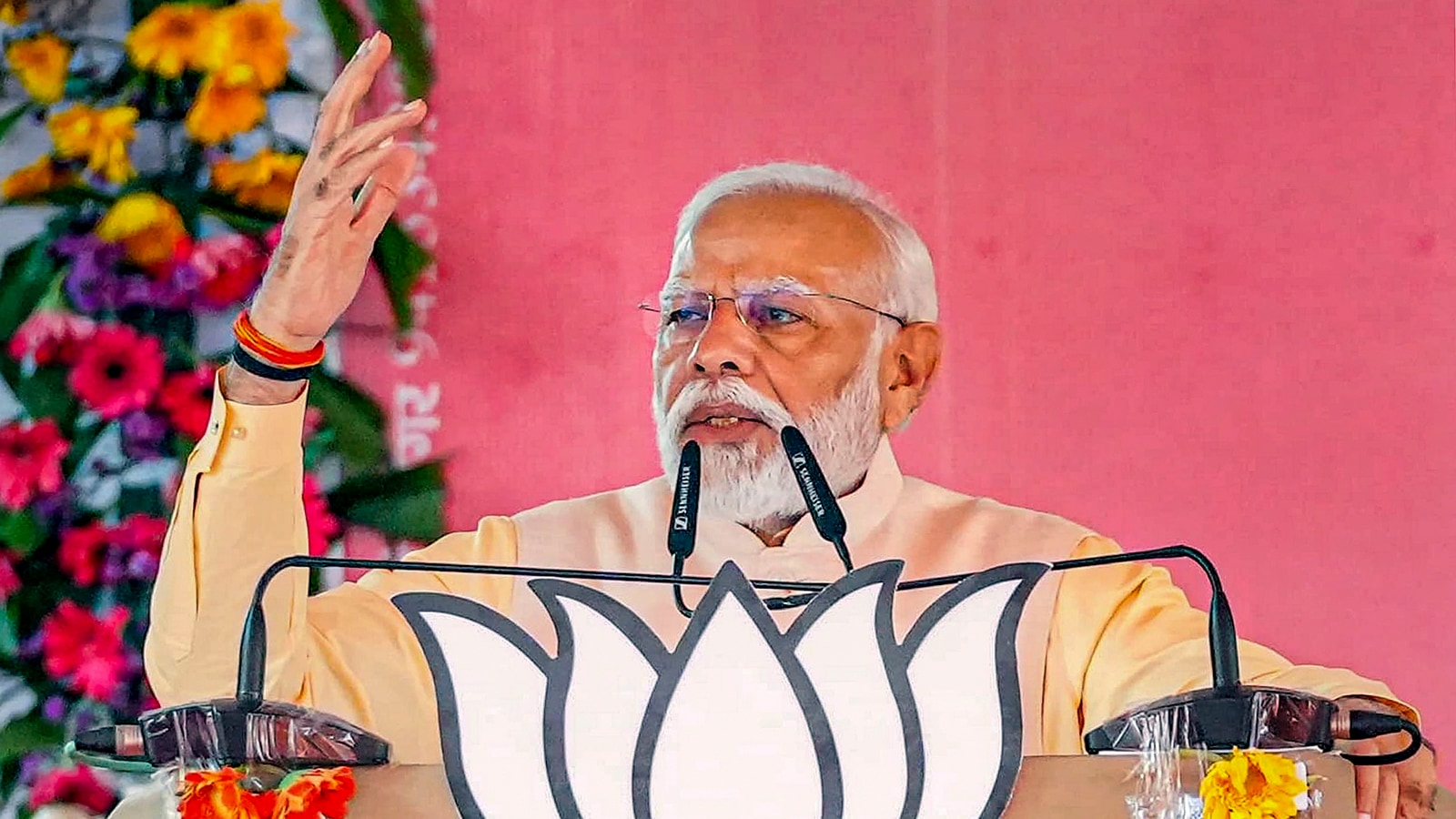
Prime Minister Narendra Modi recently held a large political rally in Krishnanagar, West Bengal. During his speech, he strongly criticized the ruling Trinamool Congress (TMC) government for its handling of state affairs. He promised that the central government would implement the Citizenship Amendment Act (CAA) and work to end what he called "maha jungle raj" or a state of total lawlessness. This visit is part of a larger effort to gain support in the state ahead of the upcoming elections.
Main Impact
The main impact of this rally is the sharpening of the political divide in West Bengal. By focusing on law and order and the implementation of the CAA, the Prime Minister is making these the central themes of the election campaign. His comments suggest that the central government will take a much tougher stand against the state leadership. This move is intended to give hope to voters who are unhappy with the current administration while putting pressure on the TMC to defend its record on safety and corruption.
Key Details
What Happened
At the rally, Prime Minister Modi used a clever local reference to mock his political opponents. He mentioned eating "Jhalmuri," a popular spicy snack in Bengal. He joked that while he was the one eating the snack, it was the TMC leaders who were feeling the "burn" or discomfort from his presence in the state. He used this lighthearted moment to transition into serious topics, such as the safety of women and the misuse of government funds.
The Prime Minister specifically mentioned the situation in Sandeshkhali. He claimed that the state government failed to protect women and instead chose to protect those accused of crimes. He argued that the people of Bengal are tired of corruption and the lack of safety, promising that a change in leadership would bring peace and growth back to the region.
Important Numbers and Facts
The rally took place in Krishnanagar, a key area for political influence in West Bengal. During his talk, Modi highlighted that the central government has sent thousands of crores of rupees for development projects in the state. However, he alleged that much of this money does not reach the poor because of "middlemen" and corrupt officials. He also reaffirmed the government's commitment to the CAA, a law that has been a major point of debate in Indian politics for several years.
Background and Context
To understand why this speech matters, it is important to know the history between the BJP and the TMC. For years, these two parties have been fighting for control over West Bengal. The TMC, led by Mamata Banerjee, has held power for a long time. The BJP has been trying to grow its influence by highlighting issues like illegal immigration and government corruption.
The Citizenship Amendment Act (CAA) is a law designed to give citizenship to religious minorities from neighboring countries who faced trouble there. In West Bengal, this is a very sensitive topic. Some people welcome it, while others fear it might change the local culture or lead to other legal problems. By promising to implement it, Modi is speaking directly to groups who feel they will benefit from the law.
Public or Industry Reaction
The reaction to the speech was immediate. Supporters of the BJP at the rally were very loud and showed great excitement, especially when the Prime Minister spoke about ending corruption. They see his promises as a way to improve their daily lives and make the state safer. On the other side, TMC leaders quickly dismissed the speech. They often argue that the Prime Minister only visits the state during election time and that his claims about "jungle raj" are not true. They believe the central government is trying to interfere with the state's rights.
What This Means Going Forward
Looking ahead, the political atmosphere in West Bengal is likely to become even more tense. The promise to implement the CAA will be a major part of the BJP's campaign strategy. This will force other parties to take a clear stand on the issue. We can also expect more investigations into how state funds are used, as the Prime Minister made it clear that corruption is a top priority for his party. The safety of citizens, particularly in rural areas, will remain a primary topic of discussion as the election draws closer.
Final Take
Prime Minister Modi’s visit to Krishnanagar shows that the battle for West Bengal is far from over. By using local culture and direct language, he is trying to build a stronger connection with the people. The focus on law, order, and national identity through the CAA sets a clear path for the months ahead. Whether these promises will turn into votes remains to be seen, but the message of change has certainly been delivered with force.
Frequently Asked Questions
What is the CAA?
The CAA stands for the Citizenship Amendment Act. It is a law that makes it easier for certain religious minorities from nearby countries to become Indian citizens if they arrived in India before 2015.
What did Modi mean by "maha jungle raj"?
He used this term to describe a situation where there is no law and order. He was accusing the state government of allowing criminals to act without fear of being punished.
Why did the Prime Minister mention Jhalmuri?
He used the popular snack as a metaphor. He wanted to say that his visit and his words were making the ruling party uncomfortable, just like spicy food can cause a burning feeling.



