
Summary
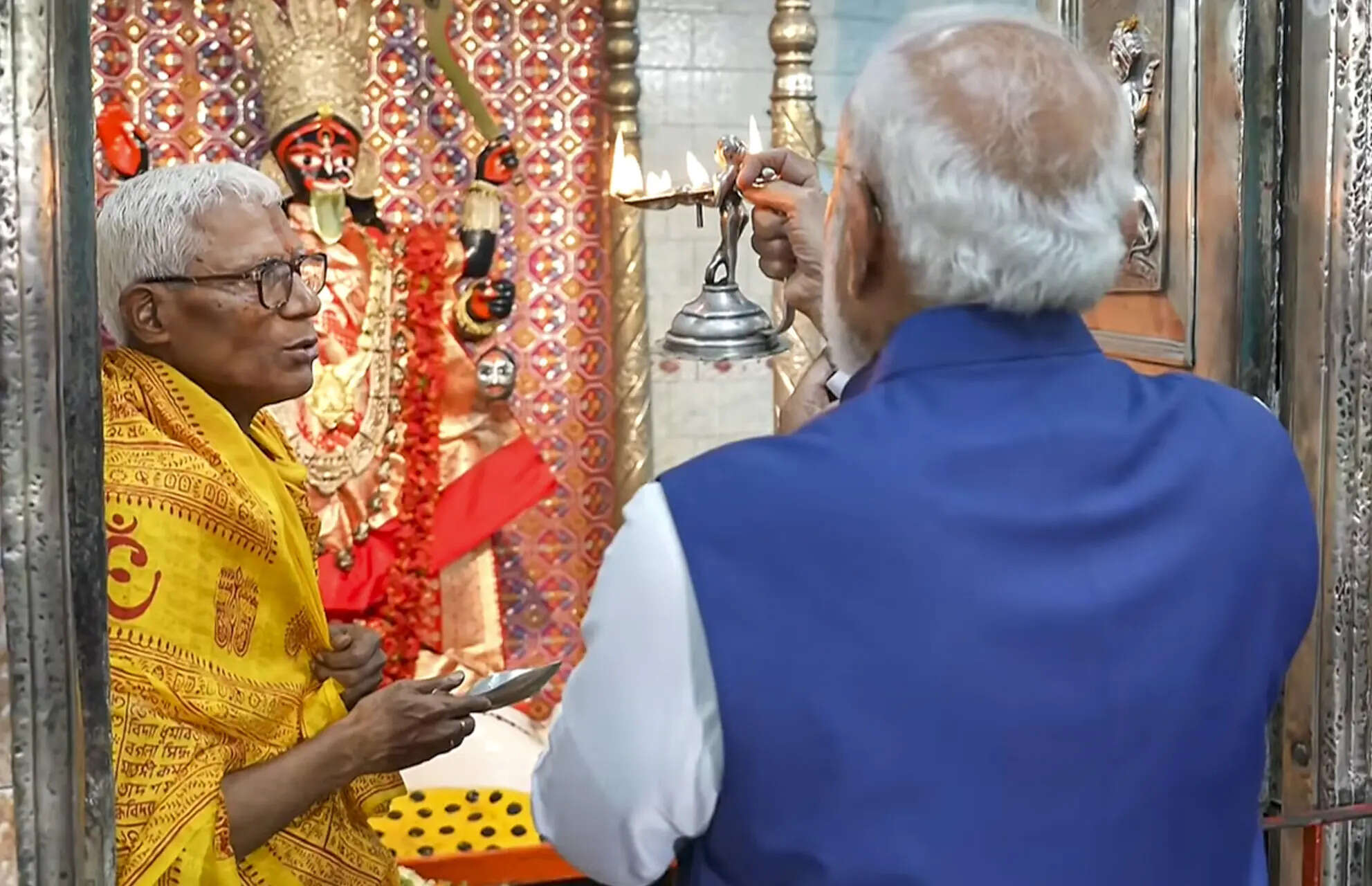
Prime Minister Narendra Modi recently visited a famous Kali temple in West Bengal to offer prayers. This visit was more than just a religious act; it was a strong political message to his rivals. The Trinamool Congress (TMC) had previously claimed that the Prime Minister and his party wanted to force vegetarian food habits on the people of Bengal. By visiting the temple of Goddess Kali, who is deeply tied to Bengali identity and traditions, Modi aimed to show his respect for local culture and disprove these claims.
Main Impact
The main impact of this visit is the shift in the political narrative in West Bengal. For a long time, the TMC has portrayed the BJP as a party that does not understand or respect Bengali culture. They often call the BJP "outsiders" who want to change how people eat and live. Modi’s prayer at the Kali temple serves as a visual and symbolic answer to these accusations. It helps the BJP connect with local voters who feel strongly about their religious and food traditions, potentially changing how people view the party before the elections.
Key Details
What Happened
During his visit to West Bengal, Prime Minister Modi went to the temple to perform traditional rituals. He spent time with the priests and followed the local customs of the shrine. This happened while the state was in the middle of a heated election season. The Prime Minister used this moment to show that he values the diverse traditions of India, especially those that are unique to the eastern part of the country. This move was a direct response to recent speeches by TMC leaders who suggested that a BJP win would lead to a ban on non-vegetarian food like fish and meat.
Important Numbers and Facts
West Bengal is a key state in Indian politics, with 42 seats in the lower house of Parliament. In the last few years, the BJP has seen its support grow significantly in the region. Food is a major topic here because a large majority of the population eats fish and meat as part of their daily diet and religious festivals. The TMC has used this fact to create a divide, claiming that the BJP follows a "North Indian" style of Hinduism that prefers vegetarianism. By visiting a temple where non-vegetarian offerings are sometimes part of the tradition, Modi sent a clear signal to millions of voters.
Background and Context
To understand why this matters, one must look at the cultural differences between various parts of India. In many parts of North and West India, religious Hindus stay away from meat, especially during festivals. However, in West Bengal, eating fish and meat is seen as a normal and even holy part of life. Goddess Kali is the most popular deity in the state, and her worship often involves traditions that are very different from those in the North. The TMC has tried to use these differences to make voters feel that the BJP is a threat to their way of life. They have often said that the BJP wants to bring a "veg-only" culture to Bengal, which would upset many local families.
Public or Industry Reaction
The reaction to the temple visit has been split along party lines. Supporters of the BJP praised the Prime Minister for showing deep respect for Bengali heritage. They argued that the TMC’s claims about food were just lies meant to scare people. On the other side, TMC leaders were quick to call the visit a political stunt. They said that visiting a temple for a few minutes does not change the fact that the BJP’s core ideas are different from Bengali values. Social media was also full of debates, with many people discussing whether food habits should even be a part of political campaigns.
What This Means Going Forward
Looking ahead, this event shows that the battle for West Bengal will be fought on the grounds of culture and identity. The BJP will likely continue to highlight their respect for local gods and customs to lose the "outsider" label. Meanwhile, the TMC will probably keep focusing on local pride and the fear of cultural change. This visit might make it harder for the TMC to use the "vegetarian threat" argument effectively in the future. It also sets a tone for how national leaders will try to blend in with local traditions to win over regional voters in upcoming polls.
Final Take
Politics in India is often about more than just roads and jobs; it is about who understands the heart of the people. By praying at the Kali temple, Modi attempted to bridge a cultural gap and silence his critics. Whether this move will win him more votes remains to be seen, but it has certainly made the cultural debate in West Bengal much more interesting. It shows that in a diverse country, respecting local habits is just as important as talking about the economy.
Frequently Asked Questions
Why did PM Modi visit the Kali temple?
He visited the temple to offer prayers and to show his respect for Bengali culture, especially after rivals claimed he wanted to change local food habits.
What was the TMC's claim about the BJP?
The TMC claimed that the BJP wants to impose a vegetarian lifestyle on the people of West Bengal and does not respect their tradition of eating fish and meat.
Why is Goddess Kali important in this debate?
Goddess Kali is a central figure in Bengali Hinduism. Her worship often includes traditions that differ from North Indian practices, making her a symbol of Bengali identity.



