
Summary
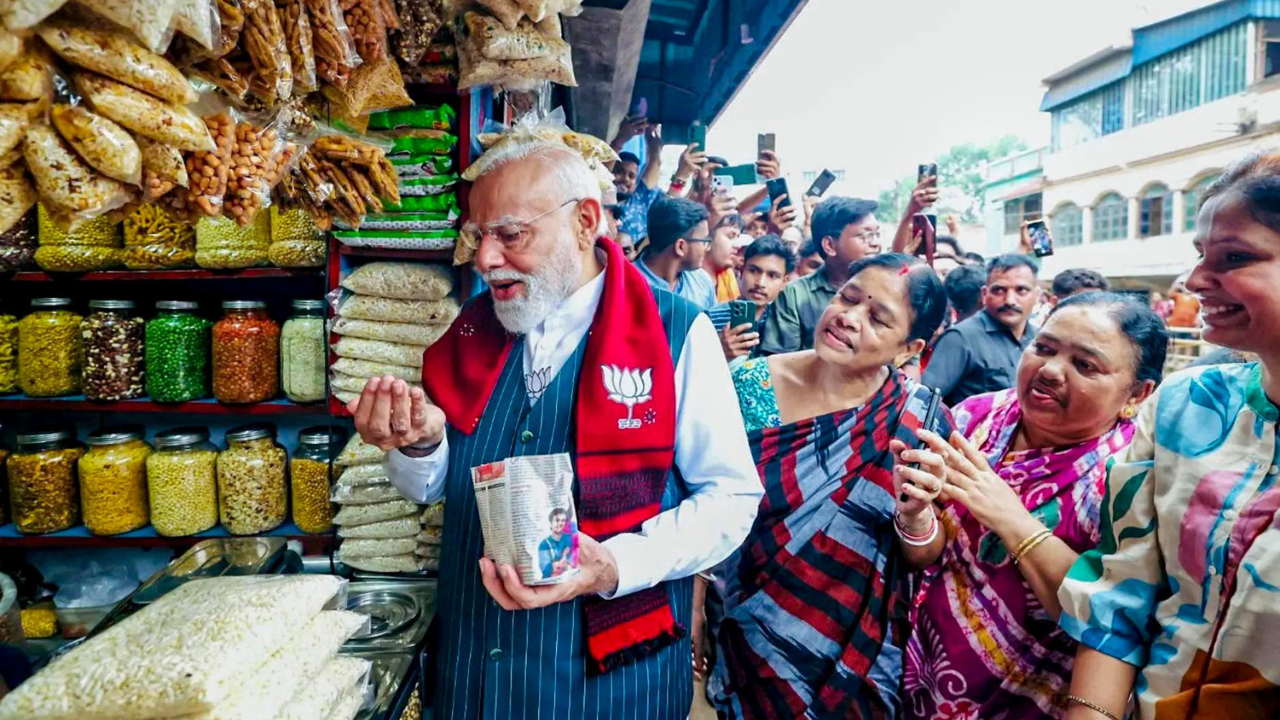
Prime Minister Narendra Modi recently took a short break from his busy schedule to enjoy a popular Indian street snack called jhalmuri. This simple act of eating a traditional dish quickly became a major topic of conversation across social media and news platforms. By choosing this local favorite, the Prime Minister drew national attention to the rich food culture of Eastern India and the importance of supporting local vendors. This event highlights how small, everyday actions by leaders can have a large impact on public interest and cultural pride.
Main Impact
The most immediate impact of the Prime Minister’s snack break was a massive surge in the popularity of jhalmuri. Within hours, photos and videos of the event were shared thousands of times online. This led to a renewed interest in traditional Indian snacks over modern fast food. Local street food sellers, especially in West Bengal, felt a sense of recognition as their daily craft was showcased on a national stage. This moment also served as a practical example of the "Vocal for Local" movement, which encourages citizens to value and buy products made within their own communities.
Key Details
What Happened
During a visit that involved a tight schedule of meetings and public appearances, the Prime Minister stopped to have a light snack. He was seen eating jhalmuri, a dish made primarily of puffed rice mixed with various spices and vegetables. Instead of a formal meal, he chose to eat the snack from a simple paper cone, which is the traditional way it is served on the streets. This casual moment was captured by cameras and quickly spread to millions of people, making the humble snack the star of the day.
Important Numbers and Facts
Jhalmuri is one of the most affordable and widely available snacks in India. It is especially popular in states like West Bengal, Odisha, and Bihar. The snack is known for being low in calories but high in flavor. It usually contains puffed rice, mustard oil, chopped onions, green chilies, and a special mix of spices. Following the PM's snack break, search engine queries for "jhalmuri recipe" and "benefits of puffed rice" saw a noticeable increase. Social media platforms reported that the topic trended for several hours, reaching millions of users who shared their own stories about their favorite street foods.
Background and Context
Street food is a vital part of daily life in India. For millions of people, it is a quick, tasty, and cheap way to get a meal during a workday. Jhalmuri, in particular, has a long history. It started as a simple snack for workers and travelers but has since become a beloved treat for people of all ages and backgrounds. In recent years, there has been a push to make street food more popular globally. By eating jhalmuri in public, the Prime Minister helped bridge the gap between high-level politics and the everyday life of the common citizen. This is not the first time a leader has used food to connect with people, as similar moments have happened with other local dishes like litti chokha in the past.
Public or Industry Reaction
The reaction from the public was largely positive. Many people praised the Prime Minister for staying connected to his roots and enjoying a simple meal. On social media, users began sharing photos of themselves eating jhalmuri, creating a viral trend. Food bloggers and chefs also joined the conversation, explaining the health benefits of the ingredients used in the snack. Some local vendors expressed hope that this high-level attention would lead to better support for street food businesses. While some political critics viewed it as a calculated move, the general audience seemed more focused on the celebration of Indian flavors and the relatability of the moment.
What This Means Going Forward
This event is likely to lead to a bigger focus on local food tourism. When a famous leader eats a specific dish, it often becomes a "must-try" item for tourists visiting that region. We might see more efforts to organize street food festivals or improve the hygiene standards of local stalls to attract more customers. Additionally, this could encourage young entrepreneurs to look at traditional snacks as a viable business opportunity. The focus on jhalmuri shows that there is a huge market for healthy, traditional, and plant-based snacks that are already part of Indian culture but have not yet been fully marketed to the world.
Final Take
The story of the Prime Minister and his jhalmuri break is about more than just food. It is about the power of cultural symbols to bring people together. In a world full of complex news, a simple image of a leader enjoying a local snack can provide a sense of unity and pride. It reminds everyone that the most basic parts of our culture, like the food we eat on the street, are valuable and worth celebrating. This moment has given a small but significant boost to local traditions and the hardworking people who keep them alive every day.
Frequently Asked Questions
What is jhalmuri made of?
Jhalmuri is a spicy snack made from puffed rice, mustard oil, spices, and fresh ingredients like onions, tomatoes, and chilies. It is often served with crunchy noodles called sev.
Why did the PM eating jhalmuri become news?
It became news because it was a rare, casual moment for a top leader. It also highlighted a local tradition, which sparked a lot of interest on social media and among food lovers.
Is jhalmuri a healthy snack?
Yes, jhalmuri is generally considered healthy because it is made with puffed rice and fresh vegetables. It is low in fat and does not involve deep-frying, making it a light option compared to many other snacks.



