
Summary
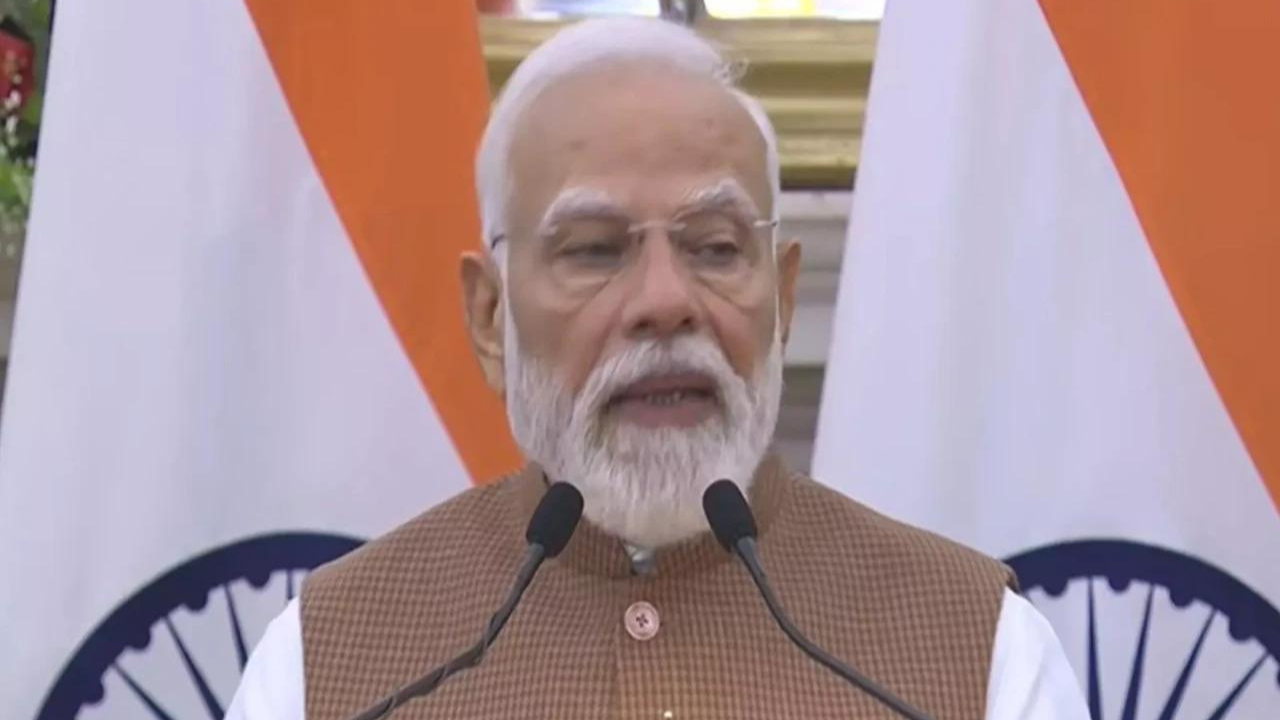
Prime Minister Narendra Modi is scheduled to lead a high-level meeting to check India's energy readiness. This review comes at a time when tensions in the Middle East are rising, causing concerns about global oil and gas supplies. The government aims to ensure that the country has a steady flow of fuel, electricity, and fertilizers. By planning ahead, officials hope to protect the Indian economy from any sudden changes in the international market.
Main Impact
The primary goal of this meeting is to prevent any disruption in daily life for Indian citizens. When conflict happens in the Middle East, it often leads to higher prices for crude oil. Since India buys a large portion of its oil from that region, any trouble there can make petrol and diesel more expensive at home. This meeting is a proactive step to secure supply chains and keep prices as stable as possible for transport and industry.
Key Details
What Happened
The Prime Minister is gathering top officials from various departments to look at the nation's energy stocks. The discussion will cover how India imports oil, how it moves fuel across the country, and how it generates power. The government wants to make sure that even if global shipping routes face problems, India has enough reserves to keep running without a hitch.
Important Numbers and Facts
India is one of the world's largest consumers of energy. The country imports more than 80% of the crude oil it needs. A significant amount of this oil passes through narrow sea routes in the Middle East. If these routes are blocked or become dangerous, it could delay shipments. The meeting will also focus on fertilizers, which are essential for farmers. Since natural gas is used to make fertilizer, any spike in gas prices could affect food production costs.
Background and Context
The Middle East is a vital area for the world's energy needs. Many of the world's biggest oil producers are located there. Over the past few weeks, growing disagreements and military tensions in the region have made global markets nervous. When there is a risk of war or supply cuts, the price of oil usually goes up quickly.
For India, energy security is tied directly to economic growth. If fuel prices rise, the cost of moving goods by truck also goes up. This leads to higher prices for food and everyday items in local markets. By reviewing preparedness now, the government is trying to find ways to manage these risks before they turn into a crisis.
Public or Industry Reaction
Industry experts have welcomed the news of this high-level review. Business leaders say that stability is the most important thing for the economy. If companies know that fuel and power supplies are secure, they can continue to invest and grow. Farmers are also hopeful that the government will prioritize fertilizer supplies, as the planting season depends on affordable and available nutrients for their crops.
Market analysts suggest that India might look at increasing its strategic oil reserves. These are large underground tanks where the country stores oil for emergencies. Checking these reserves is likely a top priority for the Prime Minister and his team during this meeting.
What This Means Going Forward
In the coming weeks, India may seek to buy oil from a wider variety of countries to reduce its reliance on any single region. The government might also speed up projects that use renewable energy, such as solar and wind power, to decrease the need for imported fuels. Logistics teams will likely work on finding alternative shipping routes to avoid areas where tensions are highest.
The government will also keep a close watch on the power grid. As the weather changes and demand for electricity fluctuates, having a steady supply of coal and gas is necessary to prevent blackouts. This meeting is just the start of a long-term effort to make India's energy system more resilient to global shocks.
Final Take
Securing energy is not just about fuel; it is about keeping the entire country moving. By taking charge of the situation early, the government is showing that it is ready to handle global challenges. The focus on logistics and distribution ensures that even if the international situation gets difficult, the impact on the average person in India is kept to a minimum.
Frequently Asked Questions
Why is the Middle East important for India's energy?
India buys a huge amount of its crude oil and natural gas from Middle Eastern countries. Because of this, any conflict in that region can slow down shipments or make energy much more expensive.
How do oil prices affect the cost of food?
Most food is transported by trucks that run on diesel. If the price of diesel goes up because of global tensions, it costs more to bring food to the markets, which leads to higher prices for shoppers.
What are strategic oil reserves?
These are emergency stocks of oil kept by the government. They are used if there is a major interruption in the global supply, ensuring the country has enough fuel to keep essential services running for several weeks.



