
Summary
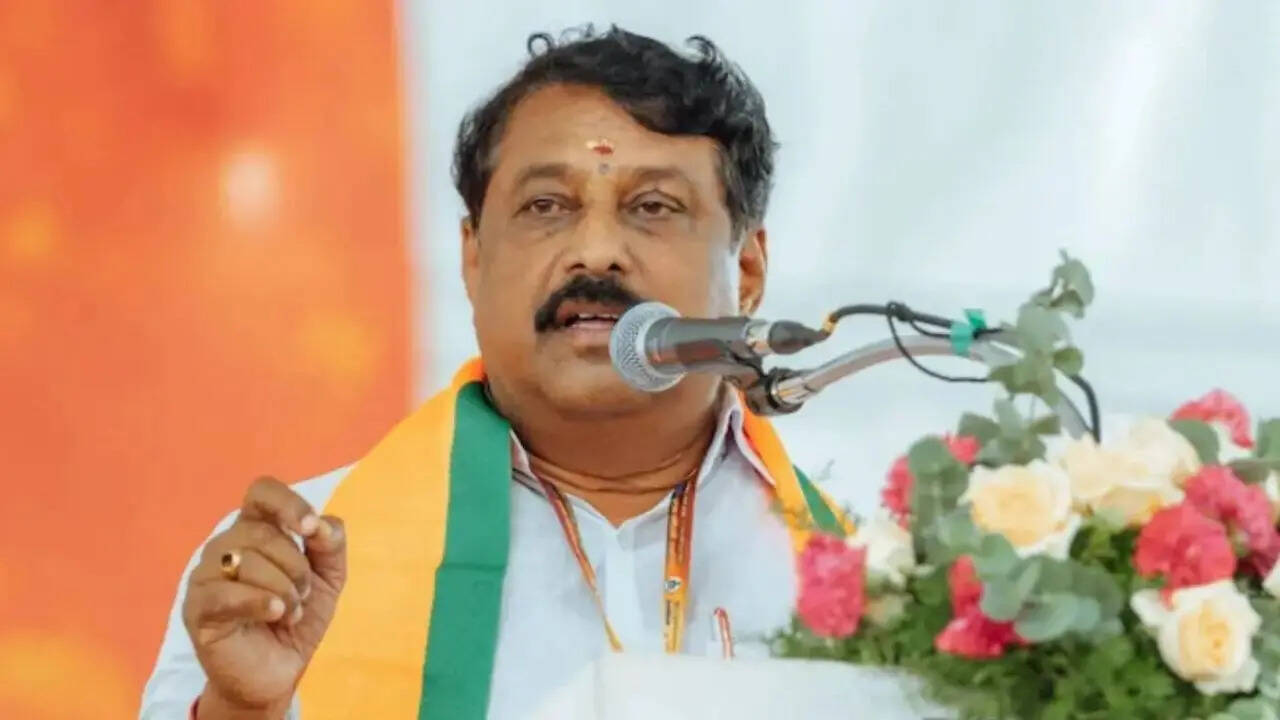
The Bharatiya Janata Party (BJP) is intensifying its political efforts in Tamil Nadu as the election season heats up. State BJP chief Nainar Nagendran recently shared details about Prime Minister Narendra Modi’s upcoming visit to Coimbatore for a major campaign event. During his announcement, Nagendran took the opportunity to criticize the partnership between the DMK and the Congress party. He claimed there is a lot of confusion within their alliance and questioned why top national leaders from the Congress have not been more active in the state. This move shows the BJP's plan to challenge the current state government by highlighting what they call "family rule" and the misuse of central government programs.
Main Impact
The primary impact of these statements is a sharpening of the political divide in Tamil Nadu. By focusing on Coimbatore, a key industrial and political hub, the BJP is signaling that it wants to be a major player in a state where it has traditionally struggled. The attack on the DMK-Congress alliance is designed to create doubt among voters about how stable the opposition really is. If the BJP can convince people that the local government is taking unfair credit for central projects, it could change how voters view the state's development. This strategy aims to shift the focus from local identity to national leadership and accountability.
Key Details
What Happened
Nainar Nagendran held a press meeting to discuss the party's roadmap for the upcoming weeks. The main news was the confirmation of Prime Minister Modi’s visit to Coimbatore. This visit is seen as a high-stakes move to boost the morale of BJP workers and attract undecided voters. Beyond the schedule, Nagendran spent significant time attacking the DMK. He argued that the DMK and Congress are not working well together. He specifically pointed out that Rahul Gandhi and Sonia Gandhi have not been visible enough in the state’s campaign, suggesting that the national Congress leadership might not be fully behind the DMK.
Important Numbers and Facts
The BJP is focusing on several specific points to build its case against the ruling state government. First, they are highlighting the central government's welfare schemes. Nagendran claimed that the DMK government often rebrands these programs to make it look like the state is providing the funding. He also brought up the issue of women's reservation in politics. The BJP claims the DMK has been slow or even resistant to supporting these changes at a national level. While specific polling numbers were not the focus of the talk, the frequency of the Prime Minister's visits to Tamil Nadu—which have increased significantly this year—shows how important the state has become to the BJP’s national strategy.
Background and Context
To understand why this matters, one must look at the history of politics in Tamil Nadu. For decades, the state has been led by two main local parties: the DMK and the AIADMK. These parties focus heavily on Tamil identity and social justice. The BJP, which is very strong in Northern and Western India, has found it difficult to win seats here in the past. To change this, the BJP is now using a two-part plan. First, they attack the DMK for being a "family-run" party, arguing that power stays within one family instead of going to common people. Second, they try to show that the central government in Delhi is doing more for the state than the local government admits. This context explains why Nagendran is focusing so much on "confusion" and "family rule."
Public or Industry Reaction
The reaction to these claims has been split along party lines. DMK supporters argue that the BJP is trying to interfere in state matters and that the alliance with Congress is perfectly fine. They often point out that their social welfare programs are some of the best in India, regardless of where the funding starts. On the other hand, some political observers believe the BJP’s focus on Coimbatore is smart because the city has a large middle class that might be open to the BJP’s message of economic growth. The absence of top Congress leaders has also been noted by local media, giving some weight to the BJP's claims that the "INDIA bloc" alliance might have internal disagreements in the south.
What This Means Going Forward
Looking ahead, the political atmosphere in Tamil Nadu will likely become even more intense. Prime Minister Modi’s visit will be a major test of the BJP’s popularity. If the event sees a large turnout, it will give the party more confidence to challenge the DMK on every issue. We can expect the DMK to fight back by emphasizing their own achievements and accusing the BJP of trying to impose national policies on a state that values its independence. The battle over who gets credit for welfare schemes will also continue. Voters will have to decide if they prefer the local leadership of the DMK or the national vision offered by the BJP.
Final Take
The BJP is no longer content with being a minor player in Tamil Nadu. By targeting the DMK-Congress alliance and highlighting issues like dynasty politics, they are trying to break the long-standing political patterns of the state. The success of this strategy depends on whether voters believe the BJP's claims of confusion within the opposition and if they feel the central government's contributions are being hidden by the state.
Frequently Asked Questions
Why is the BJP attacking the DMK-Congress alliance?
The BJP claims there is a lack of unity between the two parties. They point to the absence of top Congress leaders in the state as proof that the alliance is not as strong as it looks.
What does "family rule" mean in this context?
It refers to the BJP's criticism that the DMK is controlled by one family. They argue that leadership positions are passed down through family lines rather than based on merit.
Why is Coimbatore important for the Prime Minister's visit?
Coimbatore is a major economic center. The BJP believes that its message of development and national growth will resonate well with the business owners and workers in this region.



