
Summary
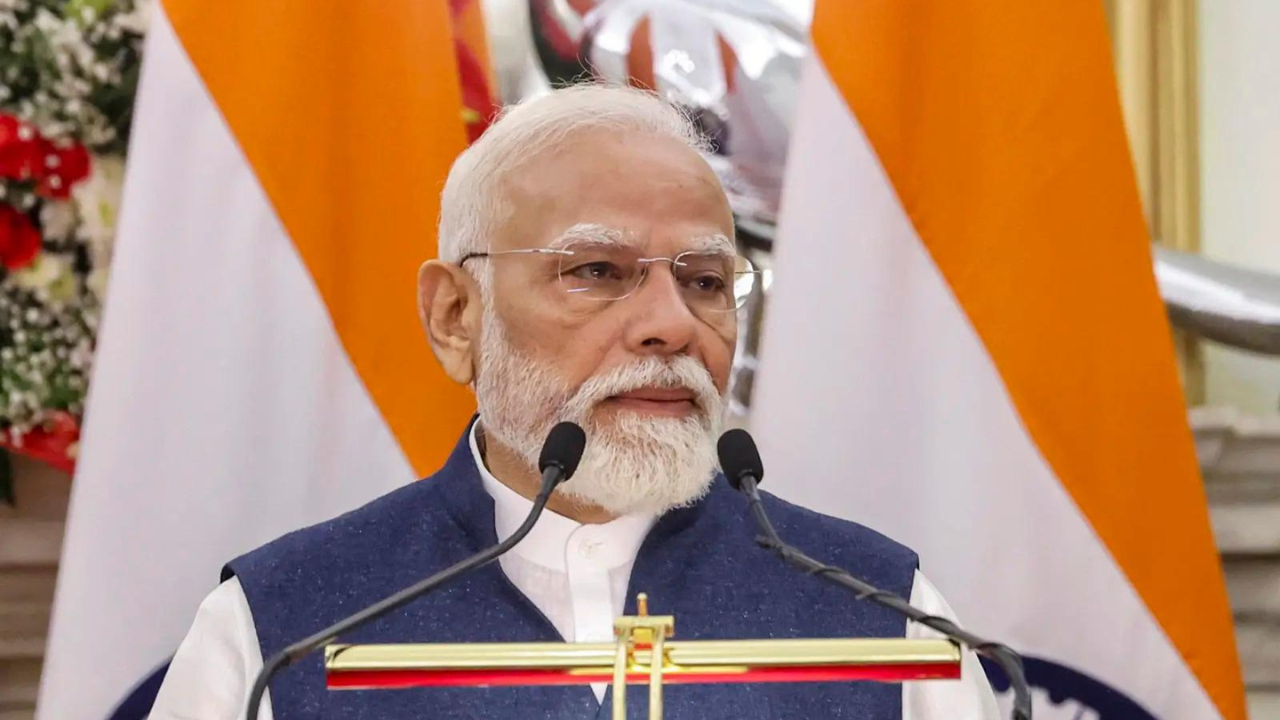
Indian Prime Minister Narendra Modi and Austrian Chancellor Christian Stocker recently held high-level talks to discuss the state of global security. Both leaders agreed that military force cannot provide a permanent solution to the ongoing conflicts in the Middle East and Ukraine. They called for a return to peaceful dialogue to ensure a stable and lasting future for these regions. Beyond security, the meeting focused on strengthening the economic partnership between India and the European Union through increased trade and investment.
Main Impact
The primary impact of this meeting is the unified message sent by India and Austria regarding global peace. By standing together, the two nations are pushing for a diplomatic approach to end wars that have disrupted the global economy. This meeting also marks a significant step in India’s relationship with Europe. It shows a mutual desire to move past military solutions and focus on economic growth. For businesses, this signals a more open environment for trade between India and European markets, which could lead to new jobs and more stable supply chains.
Key Details
What Happened
During the official visit, Prime Minister Modi and Chancellor Stocker sat down to review the current global situation. They spent a significant amount of time discussing the human and economic costs of the wars in Ukraine and the Middle East. The leaders made it clear that they believe in a world where disputes are settled through talk and negotiation rather than weapons. They also looked at ways to make it easier for companies in India and Austria to work together, focusing on technology, green energy, and manufacturing.
Important Numbers and Facts
The discussions highlighted the need for a "stable and lasting peace," a phrase used by both leaders to describe their ultimate goal. While the meeting focused on diplomacy, the economic side was equally important. India and the European Union are currently working toward a major trade agreement. Austria, as a key member of the EU, plays a vital role in these negotiations. The leaders expressed hope that this visit would act as a starting point for a new era of cooperation that will see billions of dollars in new investments over the coming years.
Background and Context
To understand why this meeting matters, it is important to look at the current state of the world. The war in Ukraine has lasted for a long time, causing food and energy prices to rise across the globe. Similarly, the tension in the Middle East threatens vital trade routes and oil supplies. India has consistently maintained a position that favors peace and dialogue. Prime Minister Modi has famously stated before that "this is not an era of war." Austria, known for its neutral stance in many international matters, shares this vision. By coming together, they are reinforcing the idea that middle-ground nations can help bring warring parties to the table.
Public or Industry Reaction
The reaction from the international community has been largely positive. Many see this as a sign that India is taking a more active role in European diplomacy. Industry experts believe that the focus on trade and investment is a win for both sides. European companies are looking for large, stable markets like India to expand their operations. At the same time, Indian businesses are eager to access European technology and high-end markets. Diplomatic observers noted that the friendly tone of the meeting suggests a deep level of trust between the two leaders, which is necessary for long-term international agreements.
What This Means Going Forward
In the coming months, we can expect to see more frequent meetings between Indian and European officials. The push for peace in Ukraine and the Middle East will likely involve more countries joining this call for dialogue. On the economic front, the focus will turn to the details of trade deals. This could mean lower taxes on imported goods and easier rules for professionals moving between countries. The goal is to create a system where peace and profit go hand in hand, ensuring that global conflicts do not stop the progress of developing and developed nations alike.
Final Take
The meeting between Prime Minister Modi and Chancellor Stocker serves as a reminder that diplomacy is the most powerful tool in international relations. While wars continue to cause uncertainty, the commitment to a "stable and lasting peace" provides a clear path forward. By focusing on shared economic goals and peaceful resolutions, India and Austria are helping to build a more predictable and prosperous world. The success of these talks will be measured by how well these words are turned into actions in the near future.
Frequently Asked Questions
What was the main goal of the meeting between PM Modi and the Austrian Chancellor?
The main goal was to discuss peaceful ways to end the conflicts in the Middle East and Ukraine, while also finding ways to improve trade and investment between India and the European Union.
Why did the leaders say military conflicts are not the answer?
They believe that fighting does not lead to long-term stability. Instead, they argued that only dialogue and diplomatic talks can create a peace that lasts and allows countries to grow.
How will this meeting affect India-EU relations?
This meeting is expected to strengthen ties by building trust. It sets the stage for more economic cooperation and helps move forward the negotiations for a Free Trade Agreement between India and the EU.



