
Summary
Prime Minister Narendra Modi has introduced a major welfare plan aimed at women in West Bengal. The plan promises a yearly payment of Rs 36,000 and free healthcare services to help families manage their costs. During a recent visit, the Prime Minister also criticized the Trinamool Congress (TMC) for its stance on political representation for women. This announcement marks a significant step in the lead-up to the elections, as the BJP looks to gain more support from female voters in the state.
Main Impact
The primary impact of this announcement is a direct challenge to the current state government’s welfare programs. By offering a specific yearly amount and health benefits, the Prime Minister is focusing on the financial independence of women. This move is expected to spark a debate over which party provides better support for the female population. It also highlights safety and political power as central themes for the upcoming election cycle in West Bengal.
Key Details
What Happened
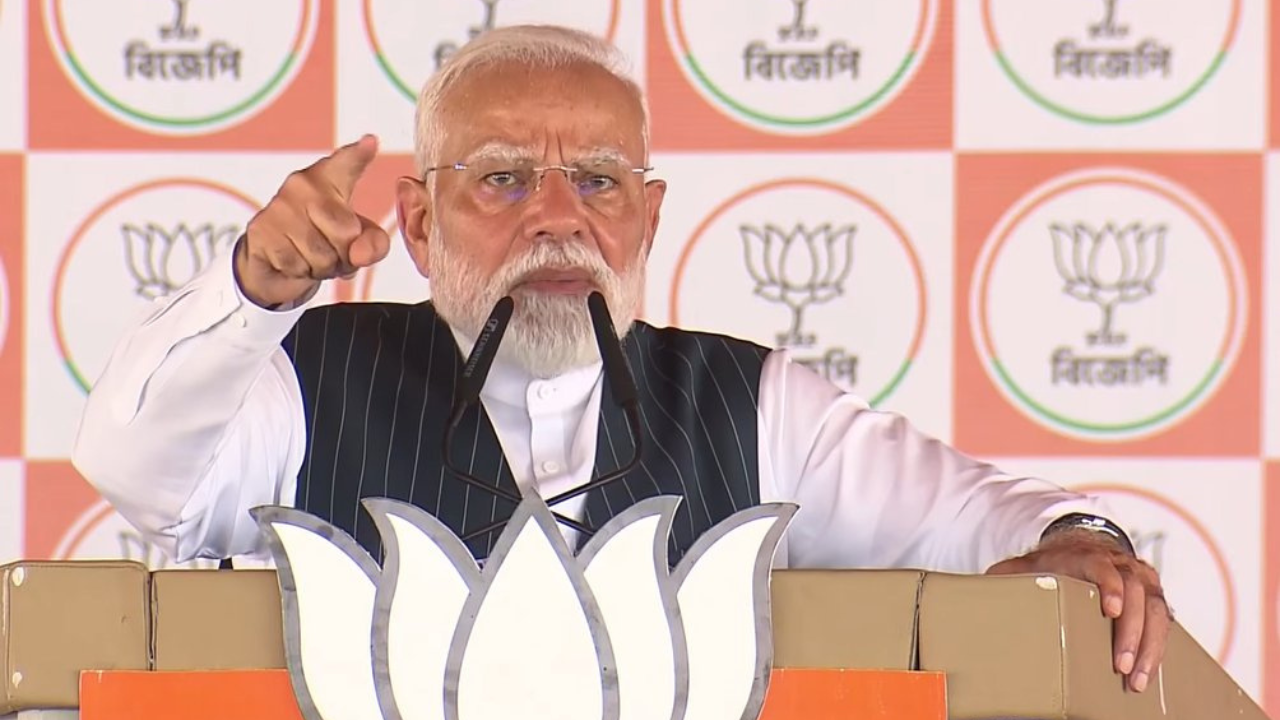
During a public event in West Bengal, Prime Minister Modi spoke about the need for better opportunities for women. He claimed that the Trinamool Congress did not want to see more women serving as members of parliament or the state assembly. He argued that the ruling party in Bengal had actively worked against a bill that would set aside seats for women in government. The Prime Minister stated that his party, the BJP, is committed to making sure women are safe and have a voice in how the country is run.
Important Numbers and Facts
The new proposal includes a yearly financial aid package of Rs 36,000 for women. This breaks down to about Rs 3,000 every month, which is intended to help with daily living costs and household needs. Additionally, the Prime Minister promised free healthcare services. This is likely an expansion of existing national health schemes that provide medical insurance to low-income families. These promises are designed to offer more than what is currently provided by the state-level programs already in place.
Background and Context
West Bengal has a long history of intense political competition. For years, the TMC and the BJP have fought for the support of the state's large population. Women voters are a very important group in this region. The current state government already has its own cash transfer programs for women, which have been popular for a long time. By promising a higher amount of money and better health coverage, the Prime Minister is trying to offer a more attractive alternative.
The mention of the women's reservation bill is also significant. This bill is a law that would reserve one-third of all seats in India's parliament and state assemblies for women. While the bill has seen progress at the national level, the Prime Minister used his speech to claim that local leaders in Bengal have been an obstacle to its success. This turns a national policy issue into a local campaign point.
Public or Industry Reaction
Political experts believe that these promises are a direct response to the popularity of the TMC's own social schemes. Many people in rural areas rely on these monthly payments to buy food and medicine. The reaction from the public has been mixed, with some welcoming the extra financial help while others wait to see how the plan will be put into action. Opposing parties have often claimed that such promises are only made to win votes and may not be fully funded after the election is over.
What This Means Going Forward
In the coming months, the focus will likely stay on how these welfare plans will be paid for and managed. The BJP will need to explain the logistics of delivering Rs 36,000 a year to millions of women. Meanwhile, the TMC is expected to defend its own record and perhaps introduce new benefits of its own to keep its supporters. This competition could lead to more social programs being announced by both sides. Voters will have to decide which party they trust more to keep these expensive promises while also ensuring public safety and economic growth.
Final Take
The promise of direct cash and free health care shows how important the female vote has become in Indian politics. By focusing on the "daughters of Bengal," the Prime Minister is making a clear bid to change the political balance in the state. Whether these promises will be enough to win over the voters remains to be seen, but they have certainly set the stage for a high-stakes political battle centered on welfare and empowerment.
Frequently Asked Questions
What are the main promises made by PM Modi for women in Bengal?
The main promises include a yearly payment of Rs 36,000 and access to free healthcare services for women in the state.
Why did the Prime Minister criticize the Trinamool Congress?
He accused the party of opposing the women's reservation bill and failing to support greater political representation for women in West Bengal.
How does this plan compare to existing schemes?
The proposed Rs 36,000 yearly payment is higher than many current state-level cash transfer programs, making it a competitive offer for voters.



