
Summary
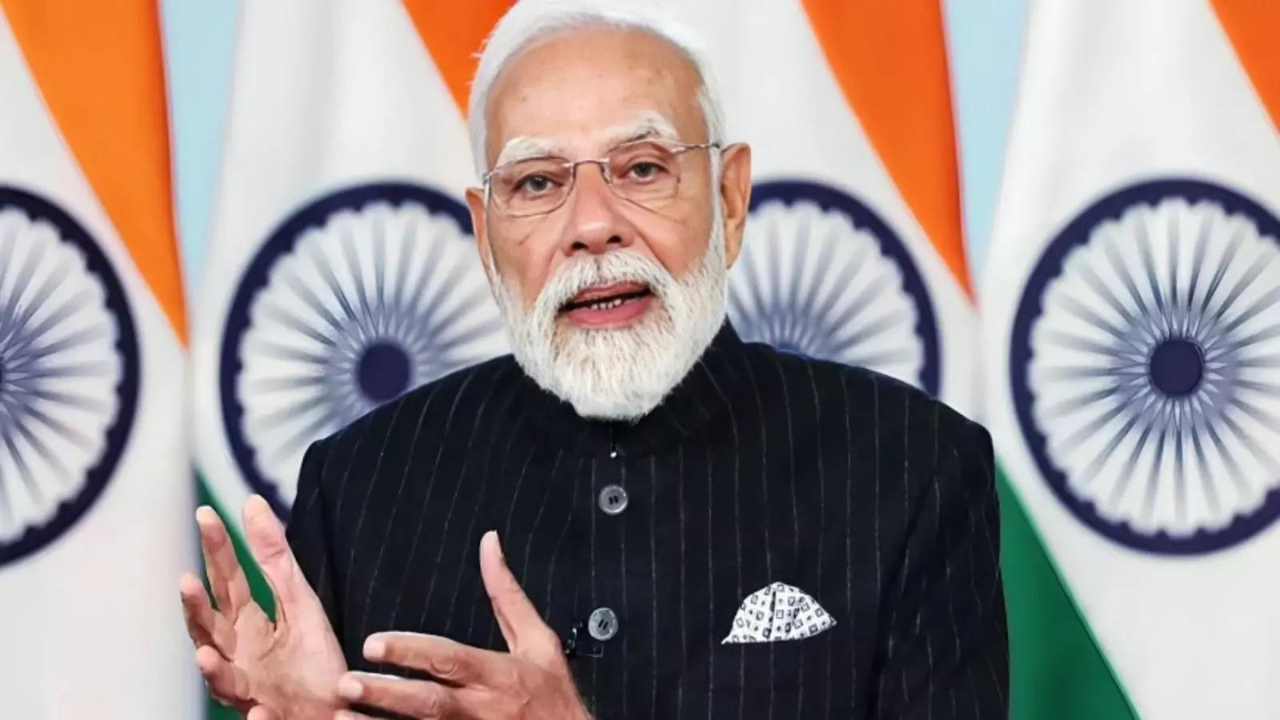
Prime Minister Narendra Modi recently led a high-level meeting of the Cabinet Committee on Security (CCS) to talk about the growing conflict in the Middle East. The government is very concerned about how this fighting might hurt India’s economy and its people. The Prime Minister told top officials to take fast action to make sure that goods keep coming into the country and that prices do not jump. This meeting shows that the government is working hard to protect India from global problems that could make life harder for everyday citizens.
Main Impact
The biggest impact of this conflict is the risk to India’s energy and trade. Because India buys a lot of oil and gas from the Middle East, any war in that area can lead to higher fuel prices at home. If petrol and diesel prices go up, the cost of moving food and other goods also rises, leading to general inflation. By holding this meeting, the Prime Minister is trying to stop these price hikes before they start. The government wants to ensure that the supply of essential items remains steady so that the public does not face a sudden financial burden.
Key Details
What Happened
The Cabinet Committee on Security met in New Delhi to look at the latest updates from the Middle East. The meeting included the Home Minister, the Defense Minister, the Finance Minister, and the External Affairs Minister. They talked about the safety of Indian ships in the ocean and the millions of Indian workers living in the Middle East. The Prime Minister gave clear orders to monitor the situation every day and to find other ways to get supplies if the usual routes are blocked by the fighting.
Important Numbers and Facts
India is one of the world’s largest buyers of crude oil, and more than 80 percent of its total oil needs come from other countries. A huge part of this oil comes directly from the Middle East. Additionally, there are about 9 million Indians living and working in the Middle East. Their safety is a major priority for the government. The trade routes through the Red Sea are also vital, as billions of dollars worth of Indian exports and imports pass through these waters every year. Any delay in these shipments can cause big losses for Indian businesses.
Background and Context
The Middle East has been a place of tension for a long time, but recent events have made the situation much worse. When countries in that region fight, it affects the whole world. For India, the Middle East is not just a source of oil; it is also a key partner for trade and jobs. Many families in India rely on money sent home by relatives working in countries like the UAE, Saudi Arabia, and Qatar. If the conflict spreads, it could stop people from working or force them to come back home, which would hurt the economy. This is why the Indian government is taking the matter so seriously and planning ahead.
Public or Industry Reaction
Business leaders and market experts have expressed worry about the situation. Stock markets often go down when there is a threat of war because investors are afraid of what will happen next. Shipping companies are also worried about the safety of their crews and cargo. Many industry experts have praised the government for being proactive. They believe that by planning early, the government can help keep the markets calm. People are hoping that the government’s steps will prevent a sharp rise in the price of cooking gas and petrol, which are major concerns for every household.
What This Means Going Forward
In the coming weeks, the Indian government will likely work closely with other countries to help bring peace to the region. At the same time, officials will be looking for new places to buy oil and gas to reduce the risk of a shortage. The Navy may also increase its presence in important sea lanes to protect Indian trade ships from attacks. The government will keep a close watch on inflation numbers to see if they need to take more steps to control prices. The main goal is to make sure that the Indian economy stays strong even if the global situation remains unstable.
Final Take
The Prime Minister’s decision to chair this security meeting highlights how closely linked India is to the rest of the world. While the conflict is happening far away, its effects can be felt in every Indian kitchen and business. By focusing on securing supplies and controlling prices, the government is trying to build a shield around the country’s economy. The focus now is on quick action and careful watching to ensure that the lives of ordinary citizens are not disrupted by events beyond their control.
Frequently Asked Questions
Why does a conflict in the Middle East affect India?
India gets most of its oil and gas from the Middle East. If there is a war, it becomes hard to ship these products, which makes prices go up in India.
What is the government doing to keep prices low?
The government is looking for different ways to get supplies and is monitoring trade routes to make sure goods can reach India without delays or extra costs.
Are Indians living in the Middle East safe?
The Indian government is keeping a close eye on the safety of its citizens abroad and is ready to help them if the situation gets worse.



